






Creature Comfort
When people speak about animals, they often speak about themselves as well. We read guilt in a dog’s expression and grief in a horse’s eyes; we categorise them as gentle, loyal, wild or cute. We understand them through emotions familiar to us, interpreting their behaviour through our own desires, attachments and imaginations.
Our understanding is always limited by the boundaries of human perception. Thomas Nagel’s question, what is it like to be a bat?, points to the difficulty of understanding an experience entirely different from our own.[1] Yet this distance does not mean that humans and animals exist in separate worlds. Donna Haraway’s writing on “companion species” reminds us that we shape one another through the experience of living together. Domestication, breeding, training and care draw humans and animals into relationships built on intimacy and dependence.[2] Although there is care in these relationships, there’s often an imbalance of power. We bring animals close to us and try to shape them around the qualities we want them to have.
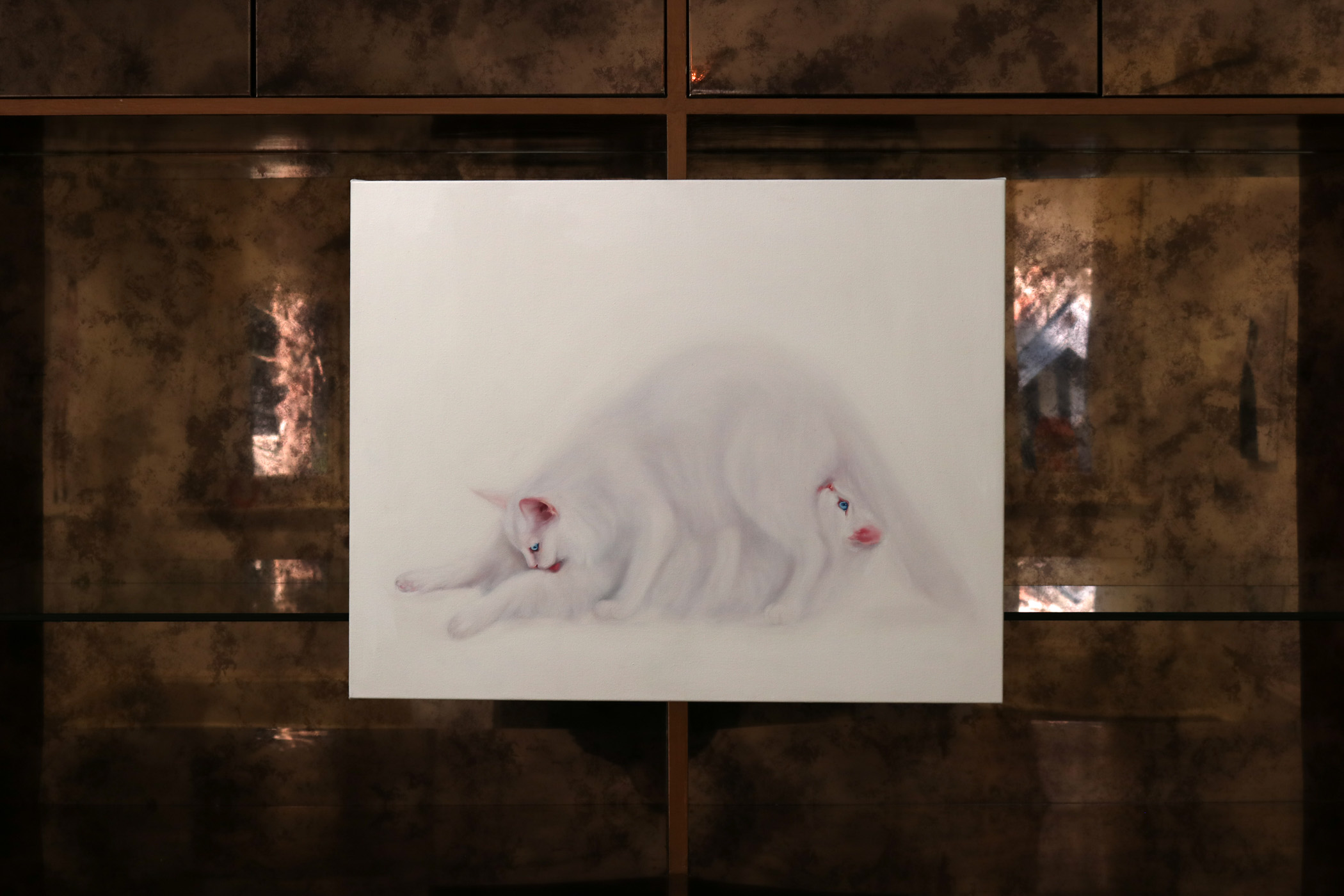
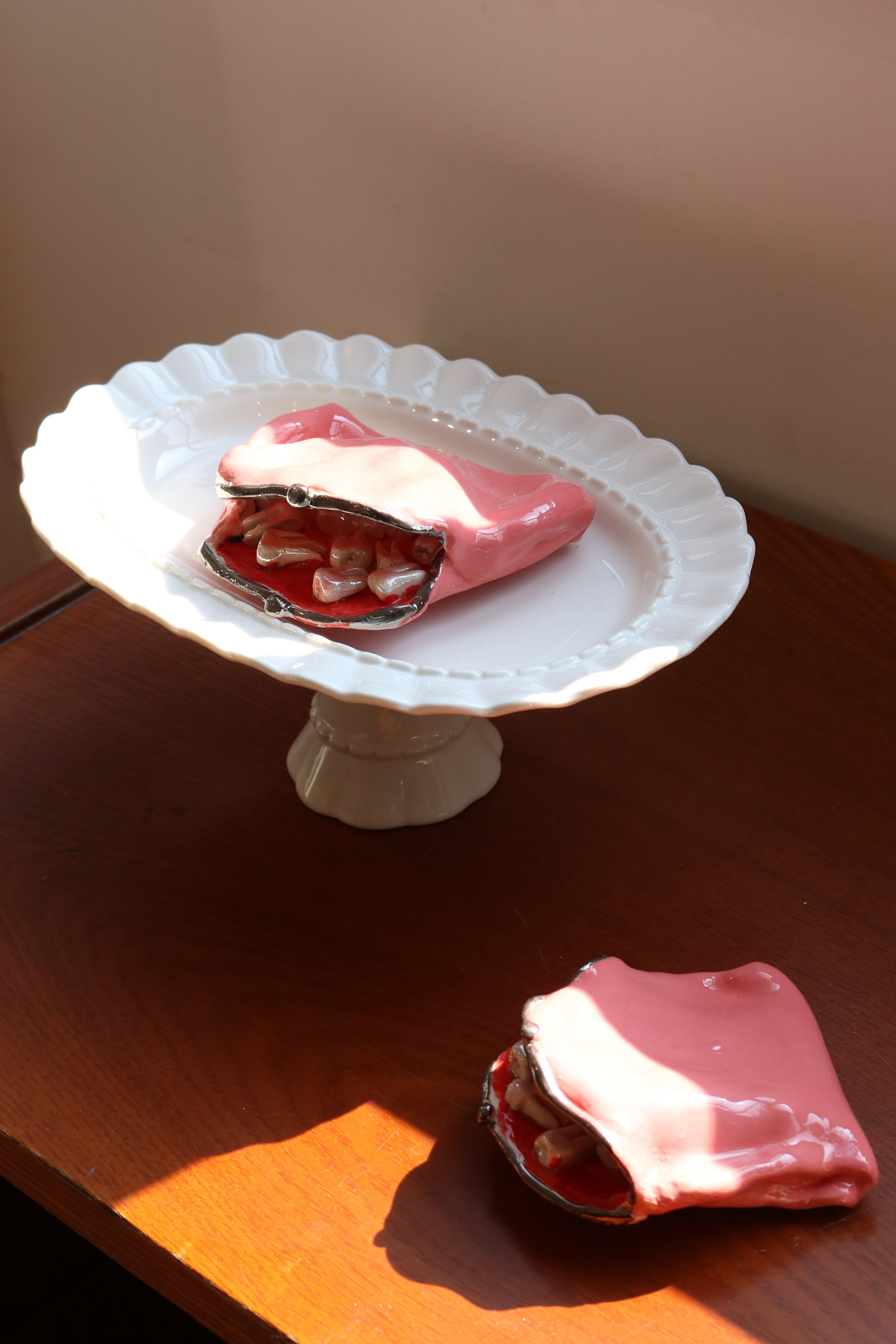
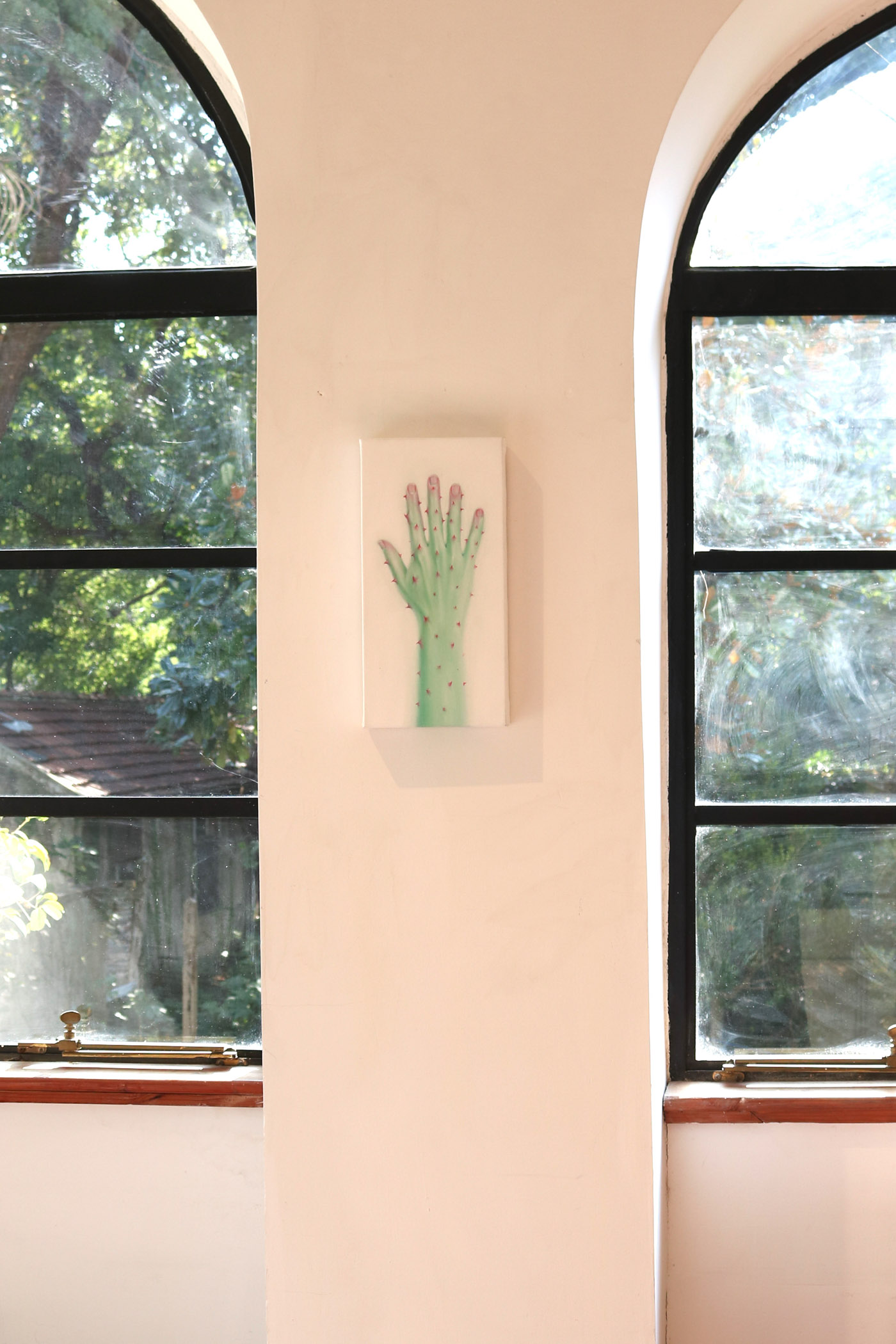
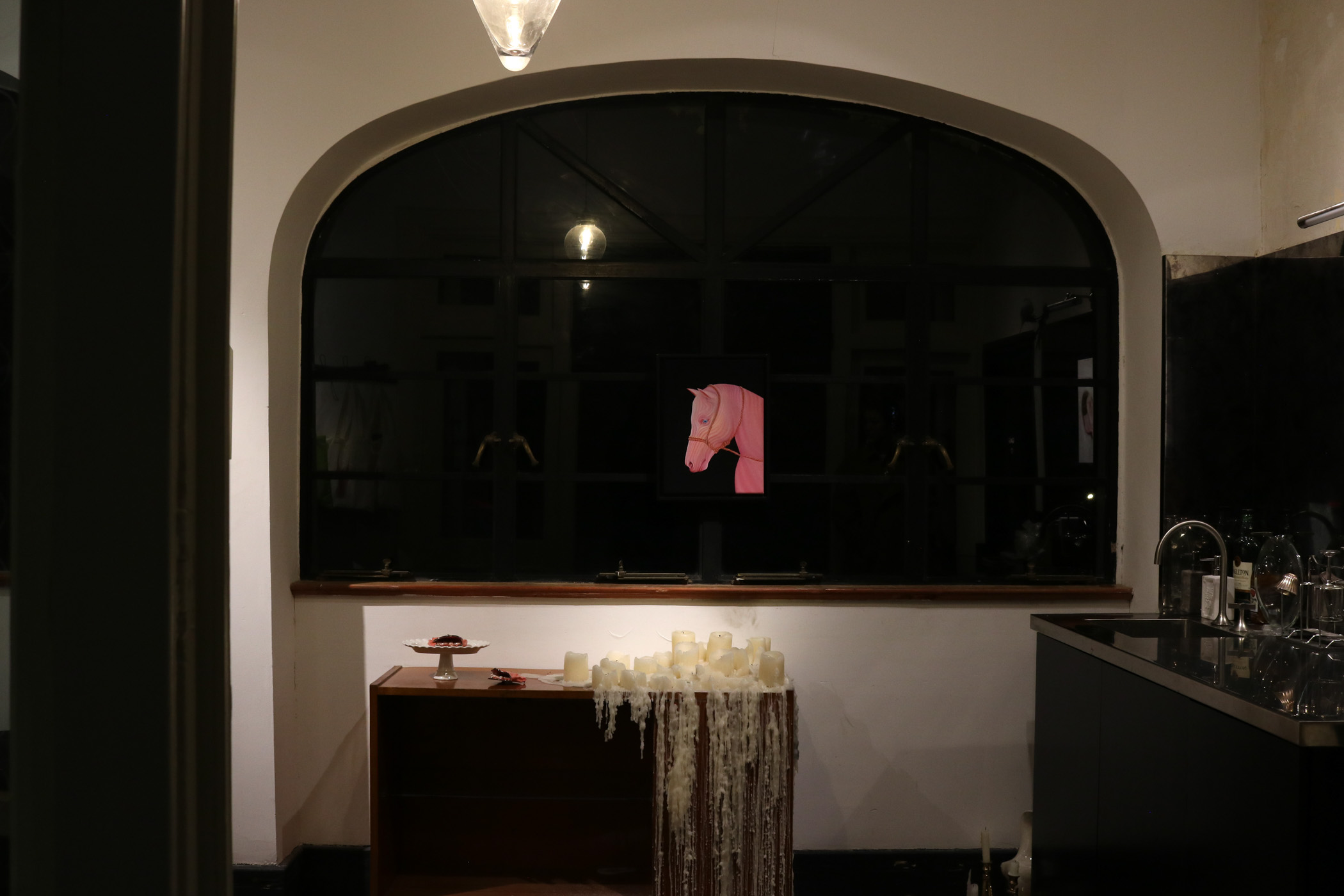
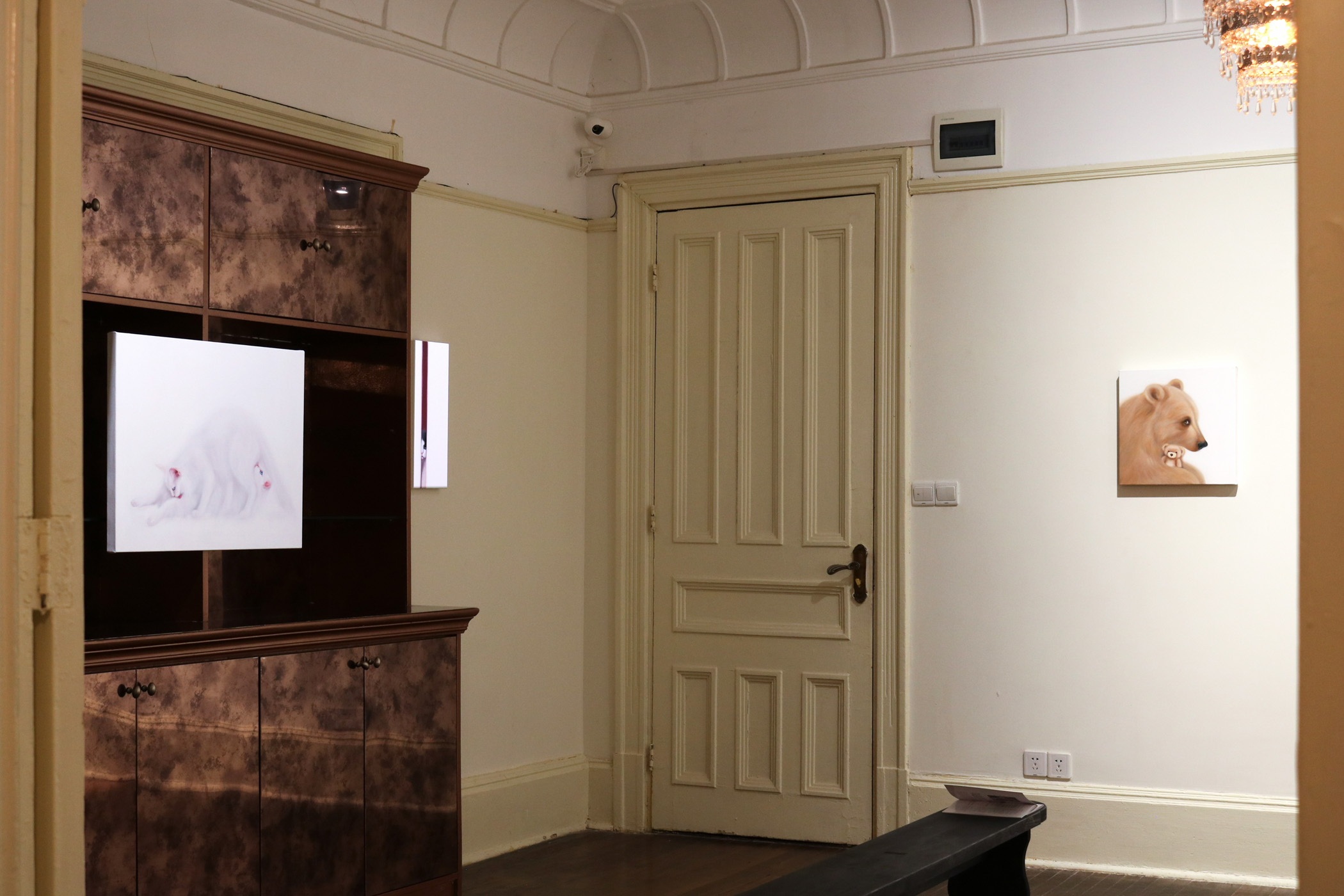
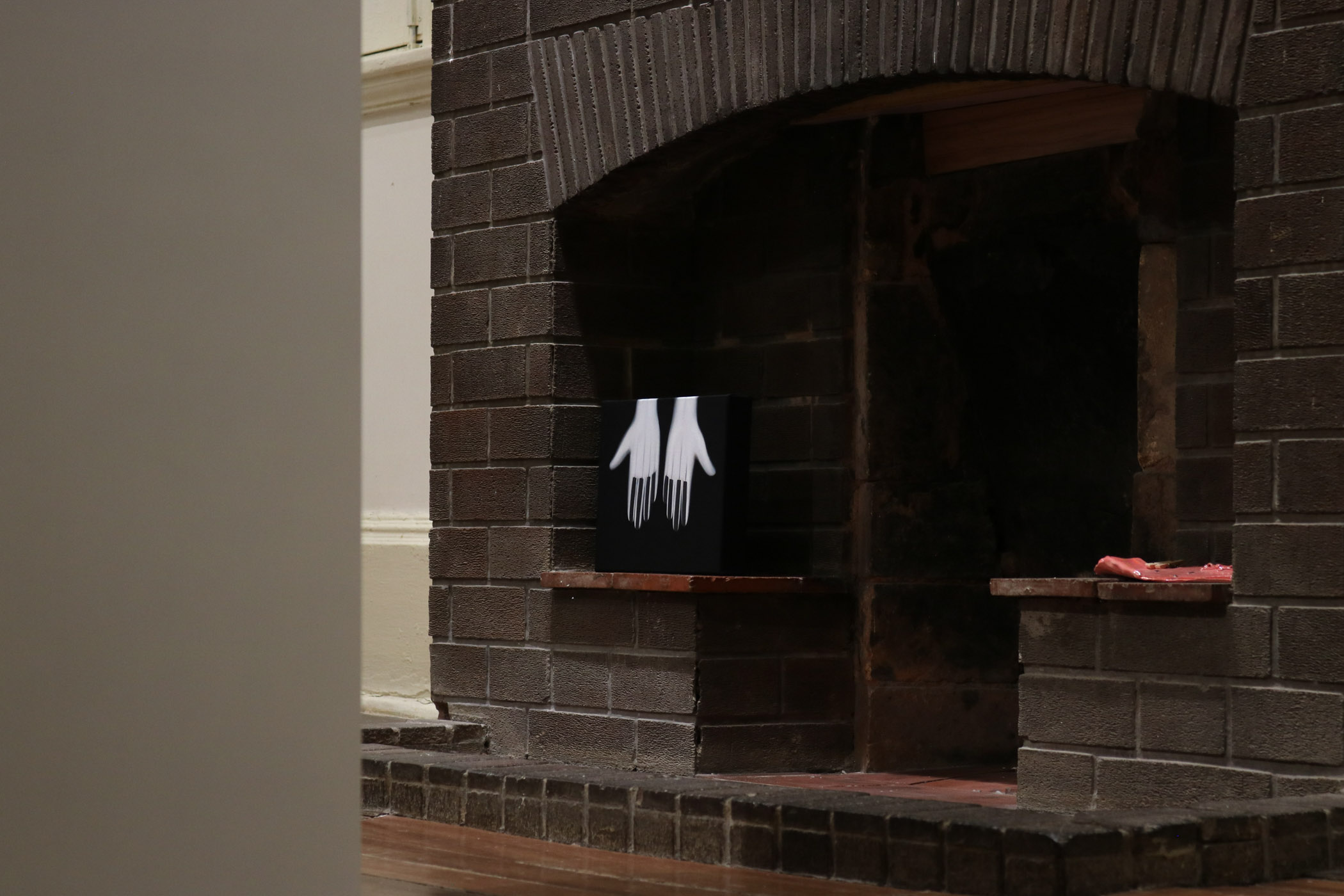
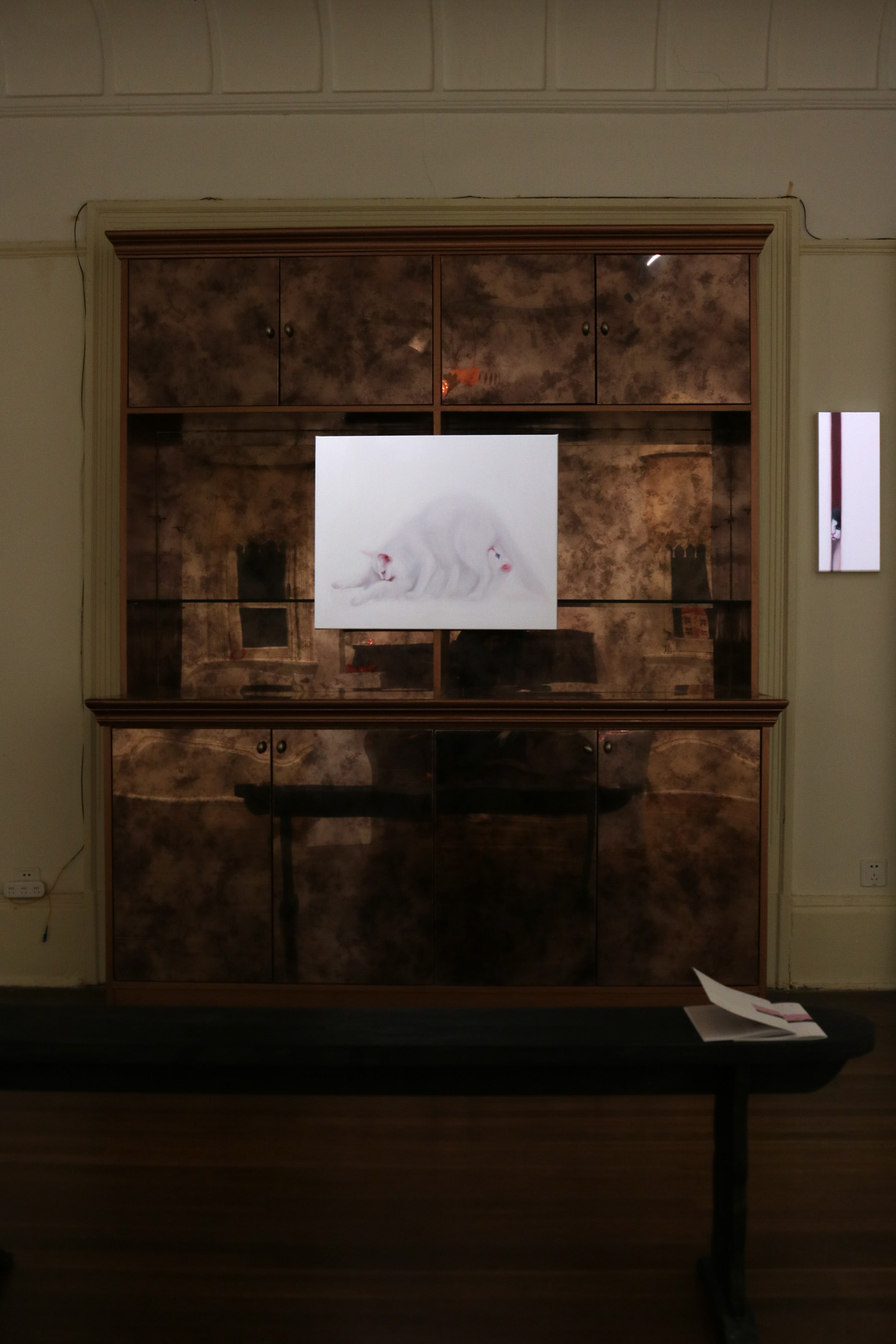
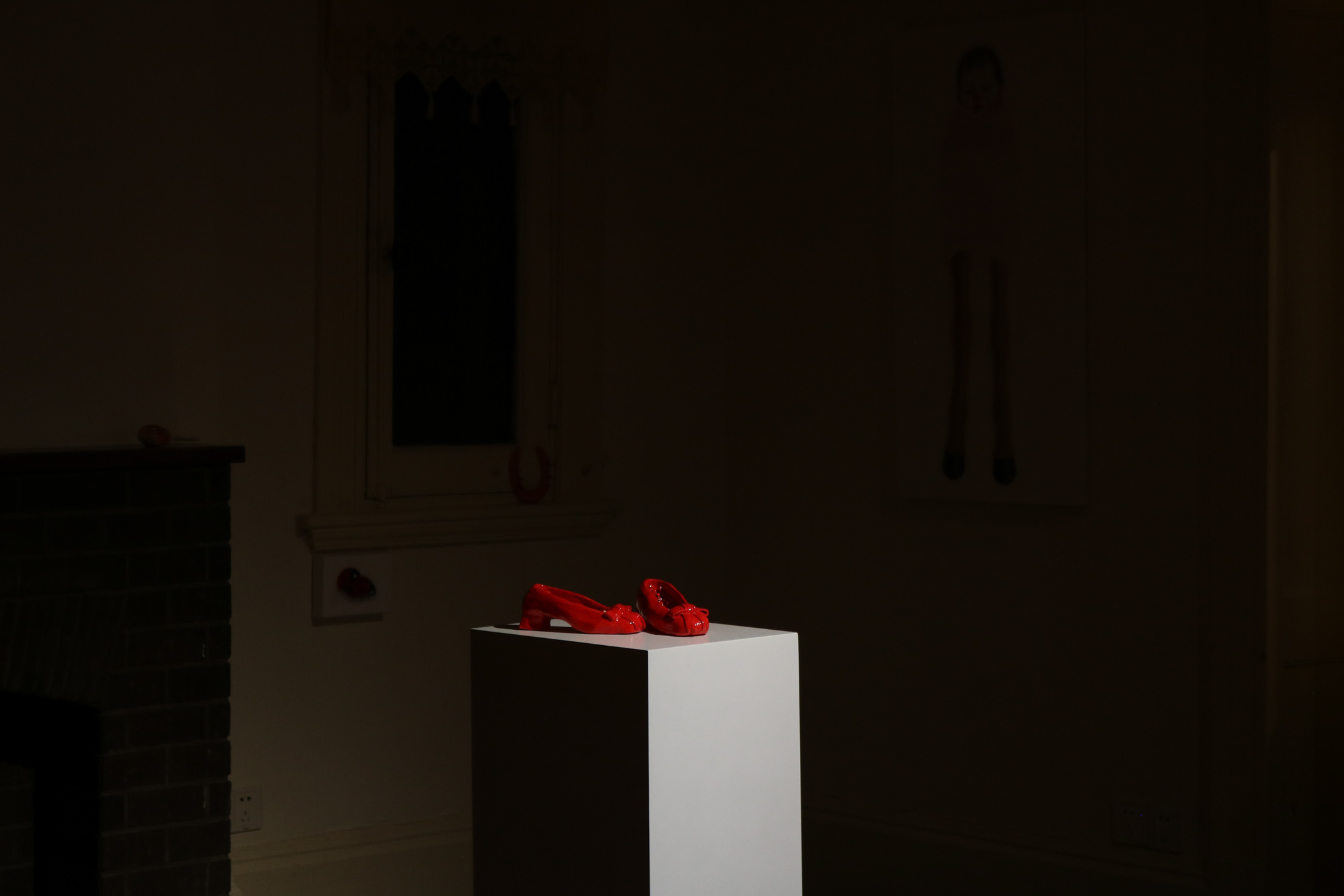
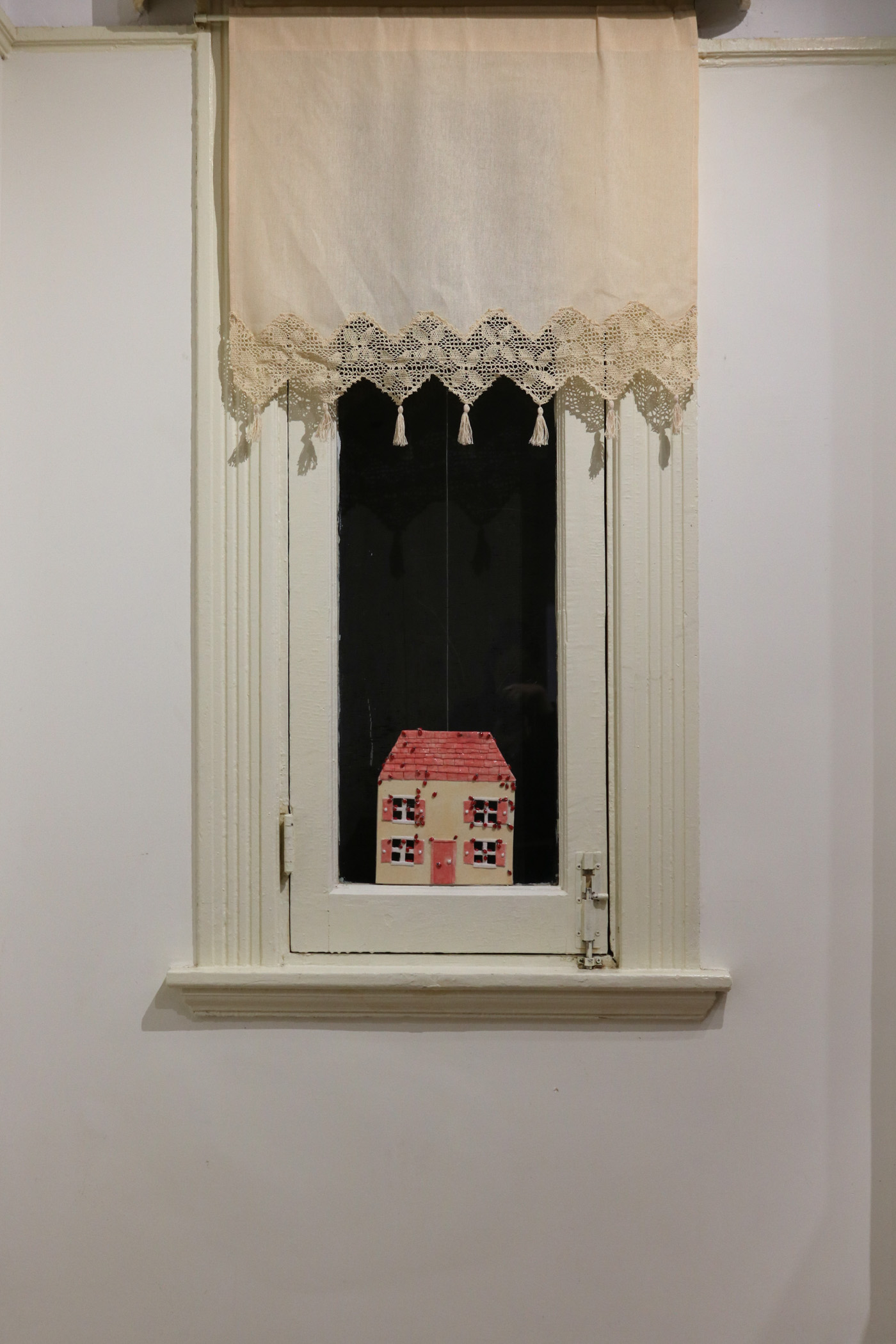
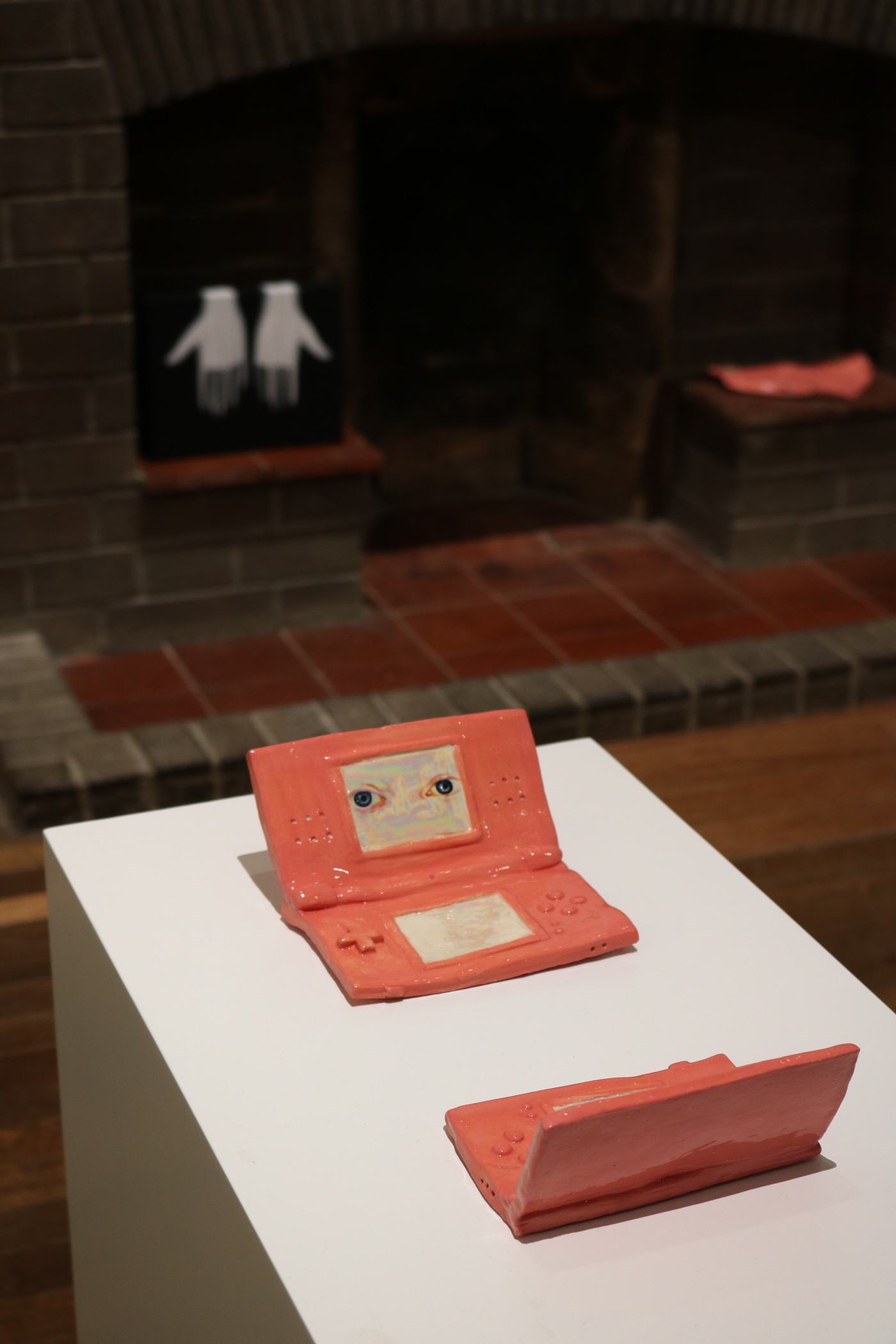
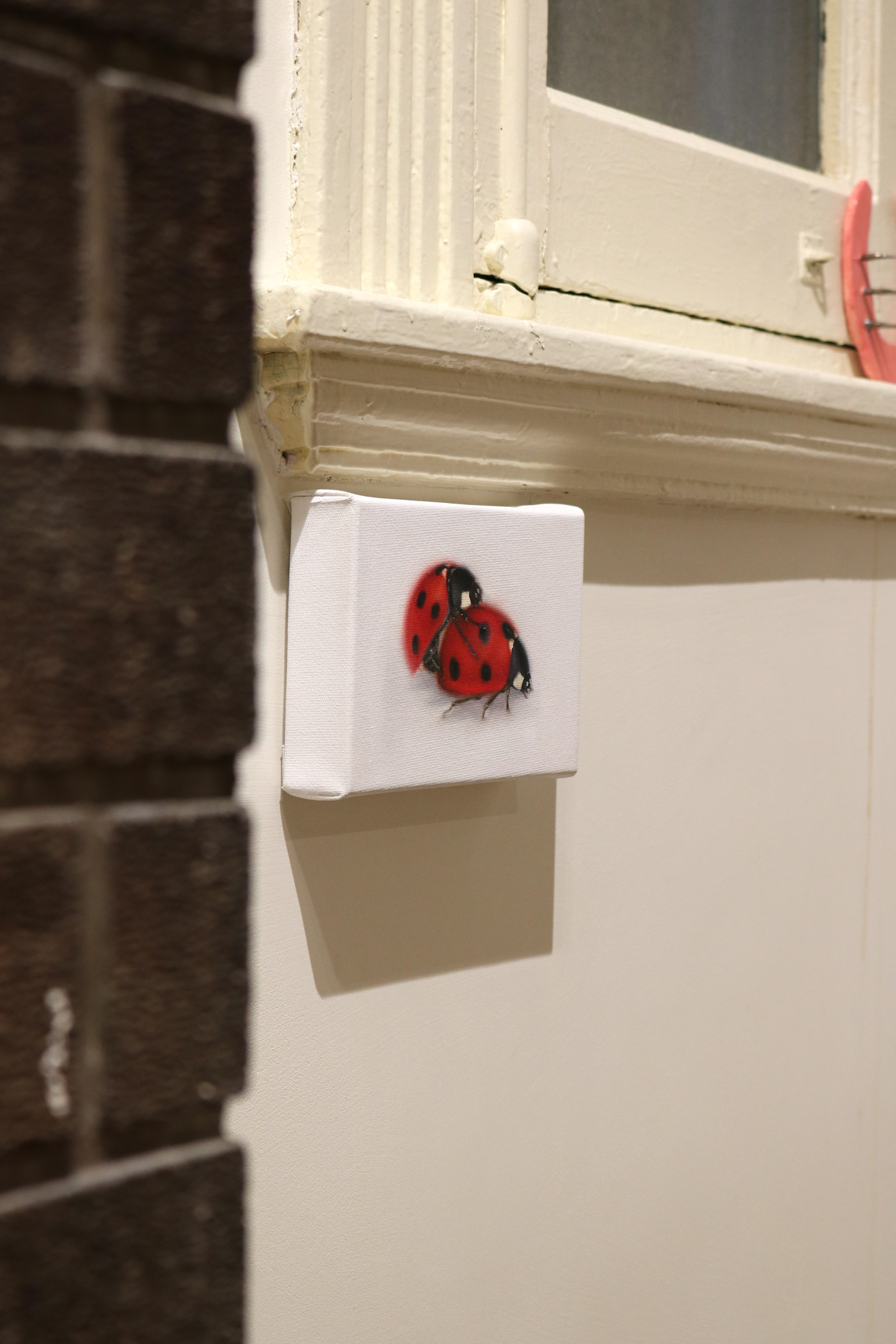
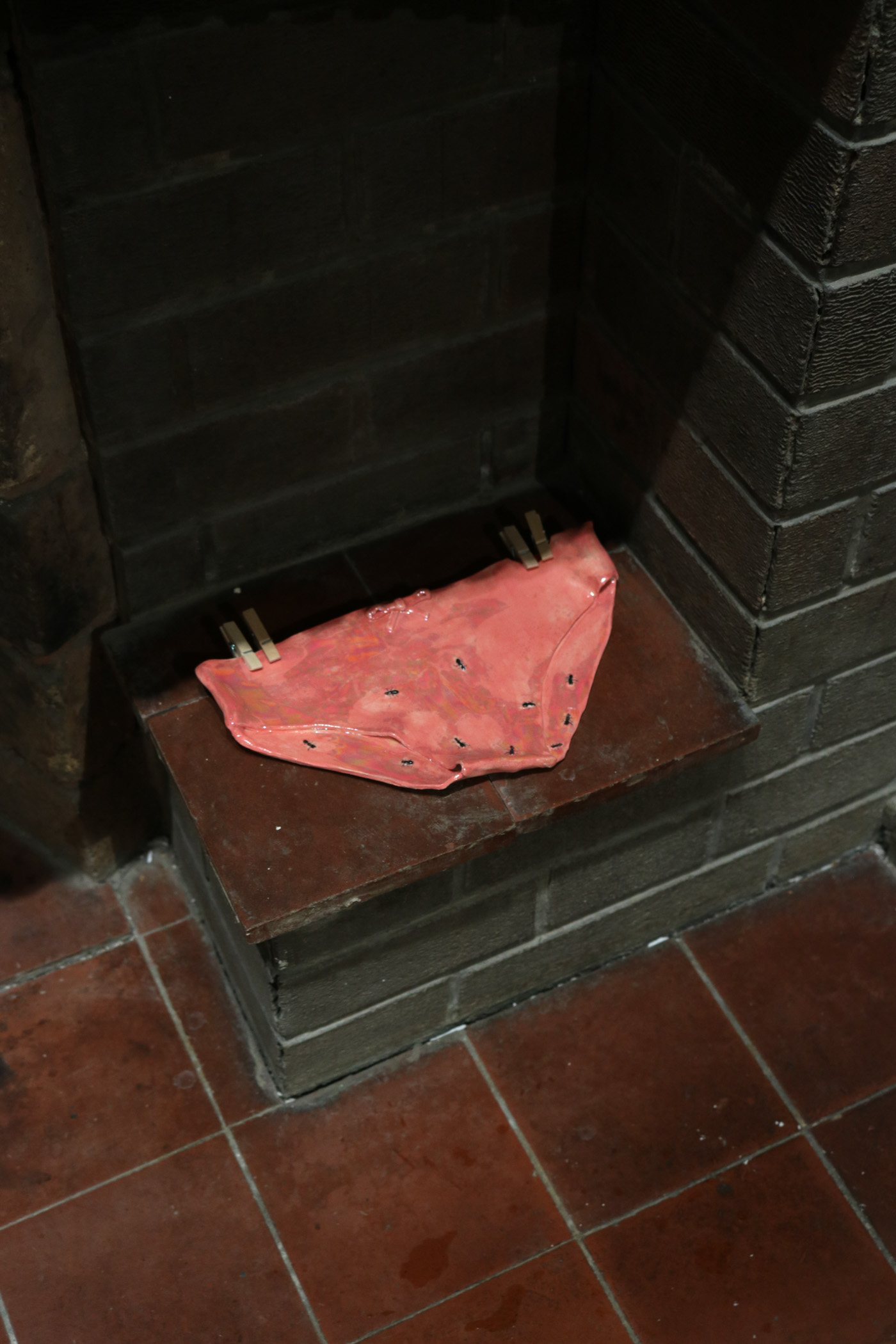
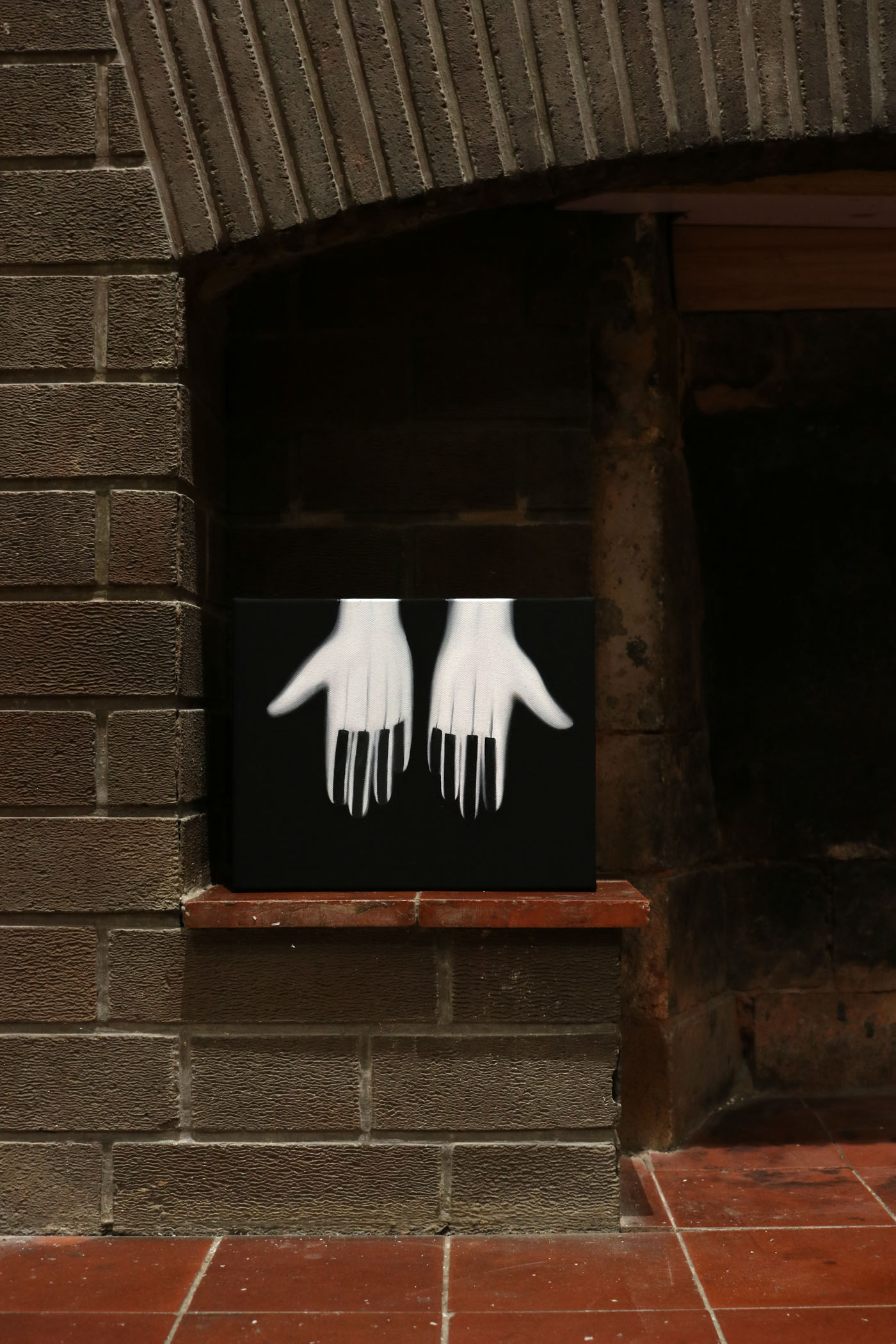
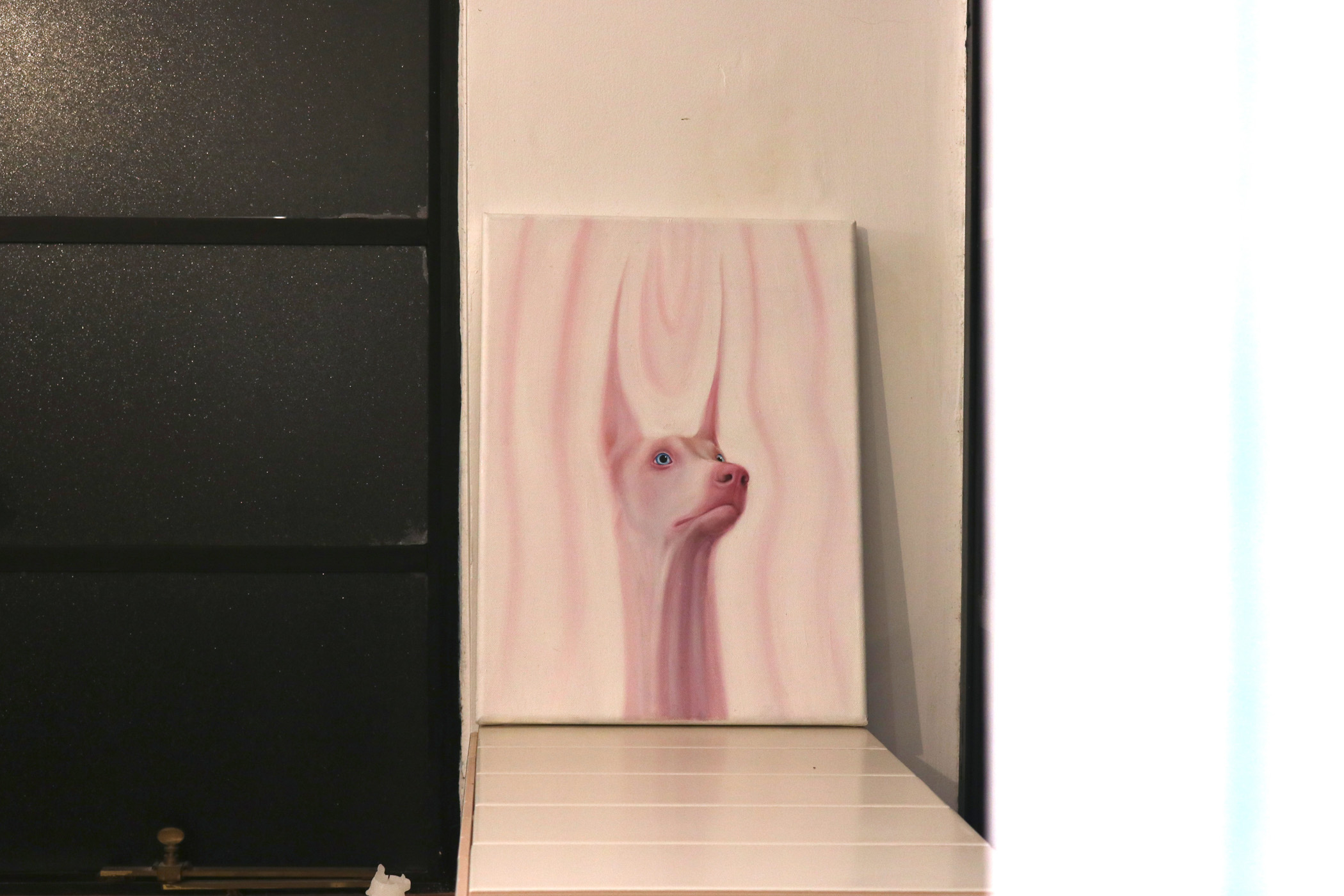
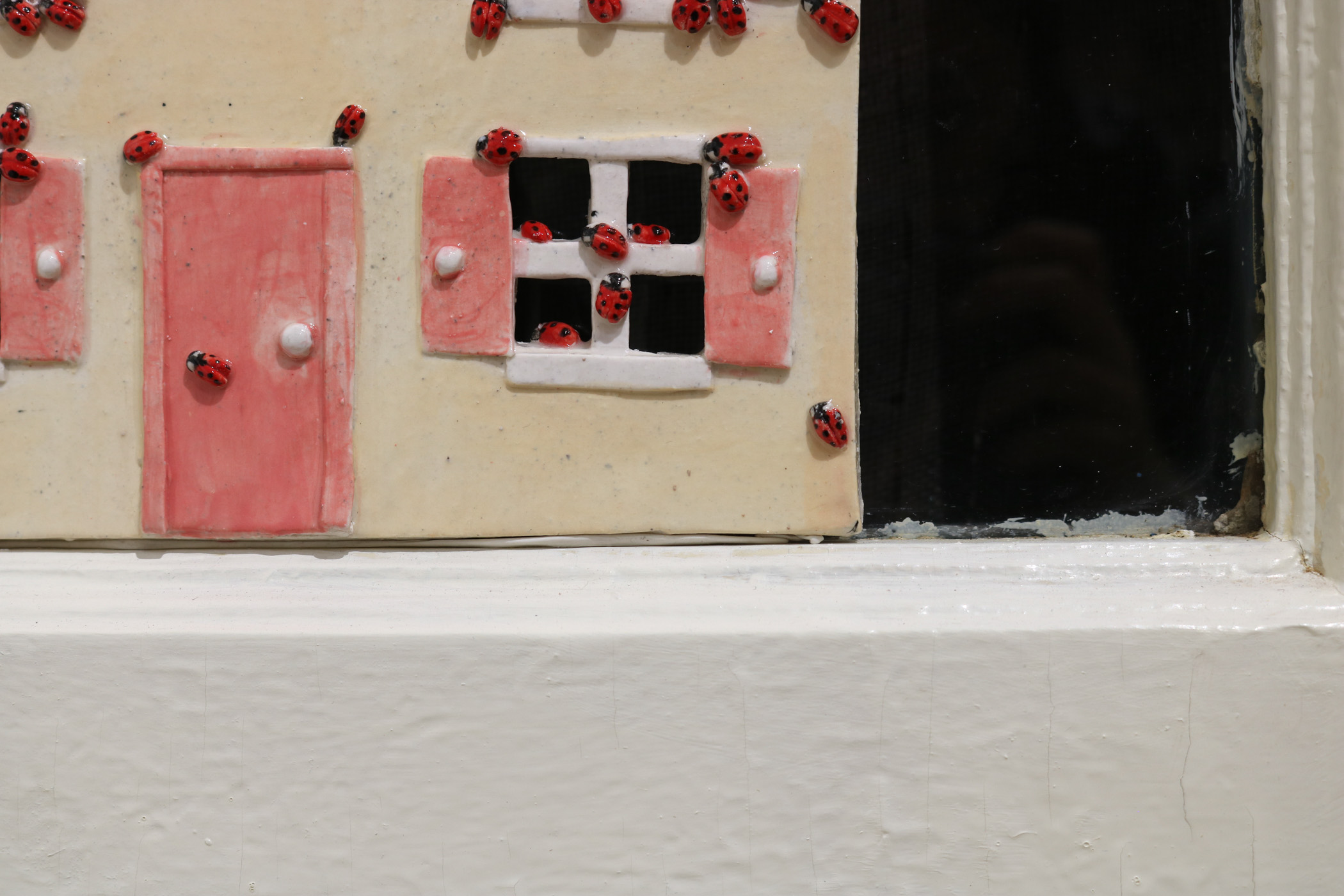
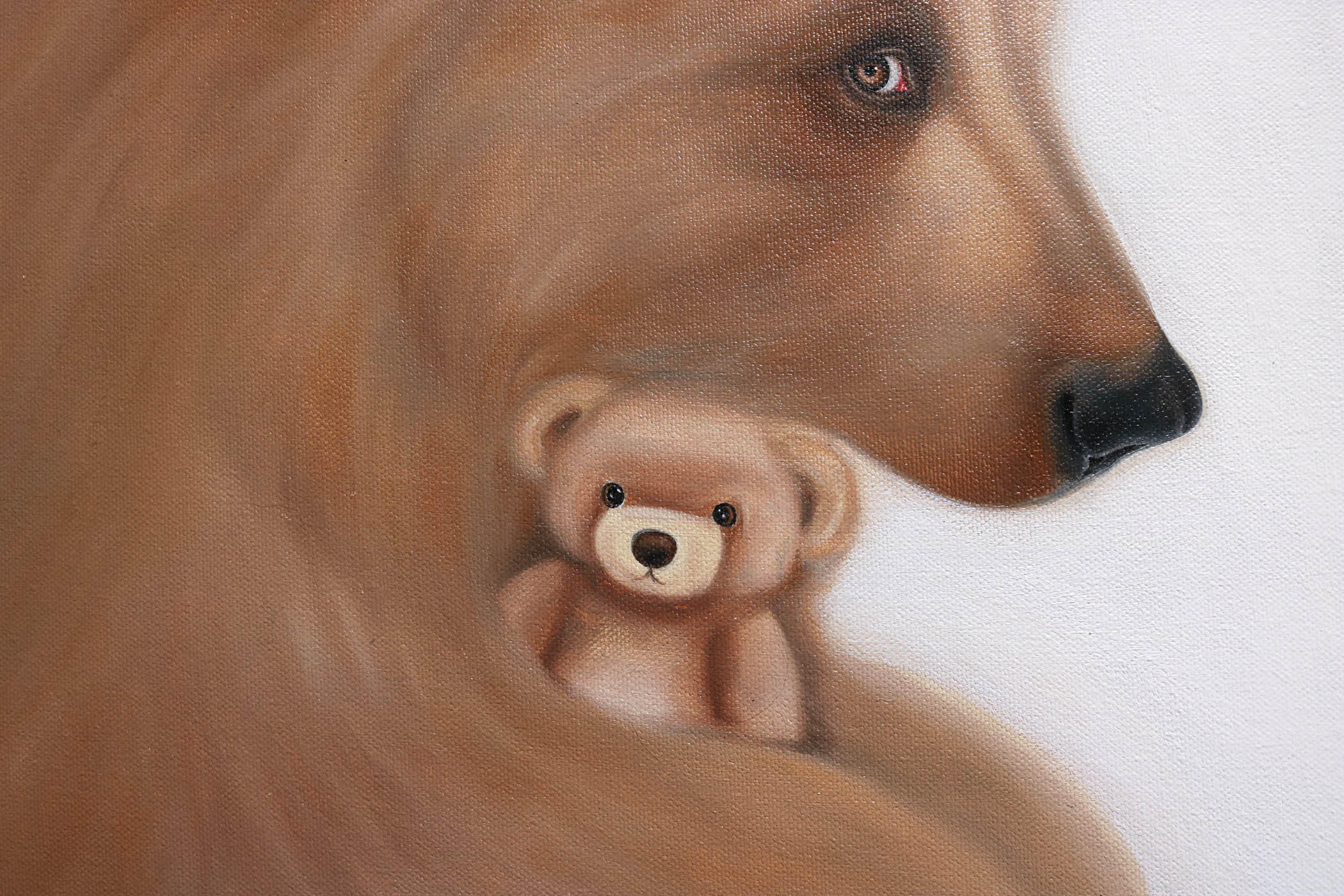
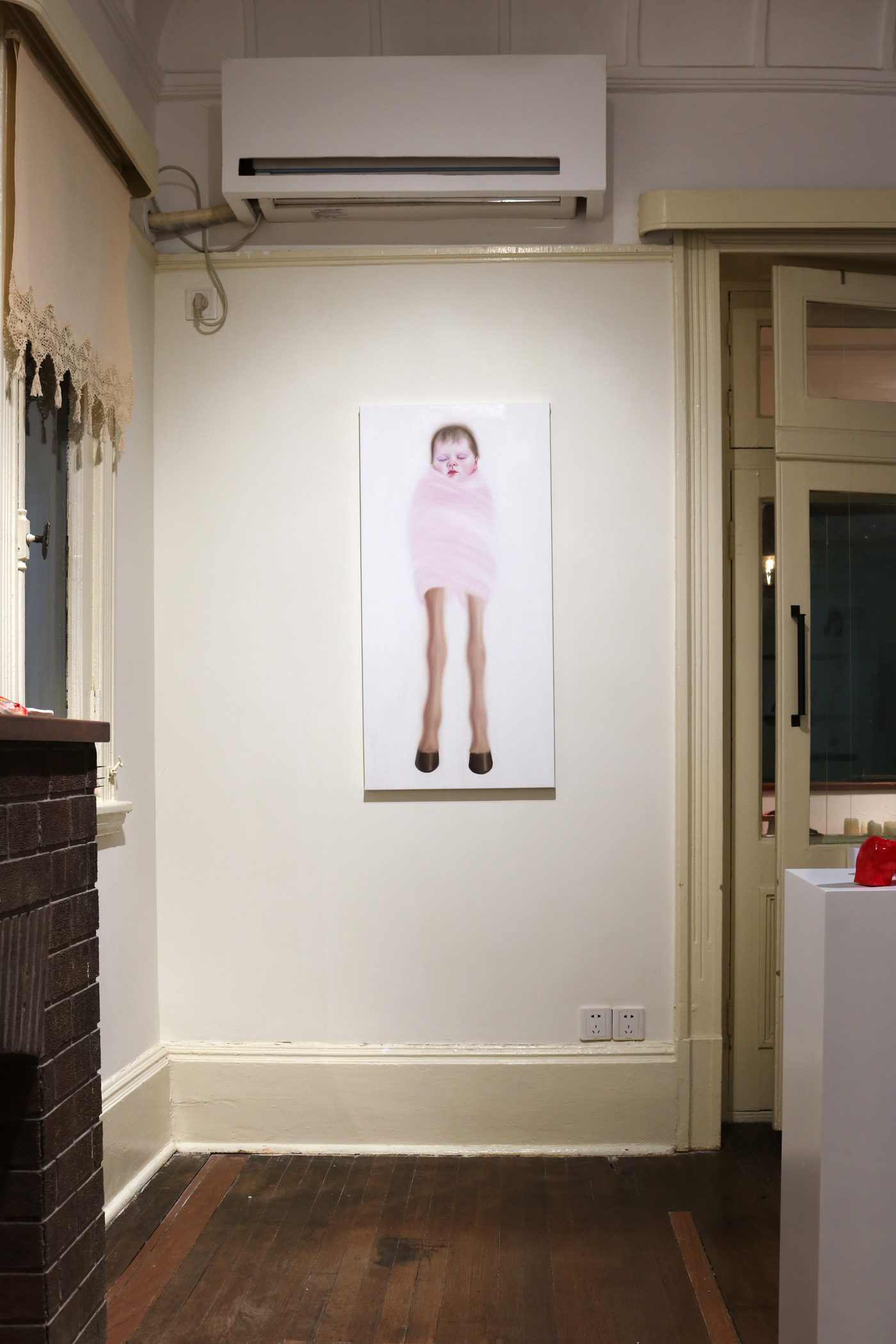
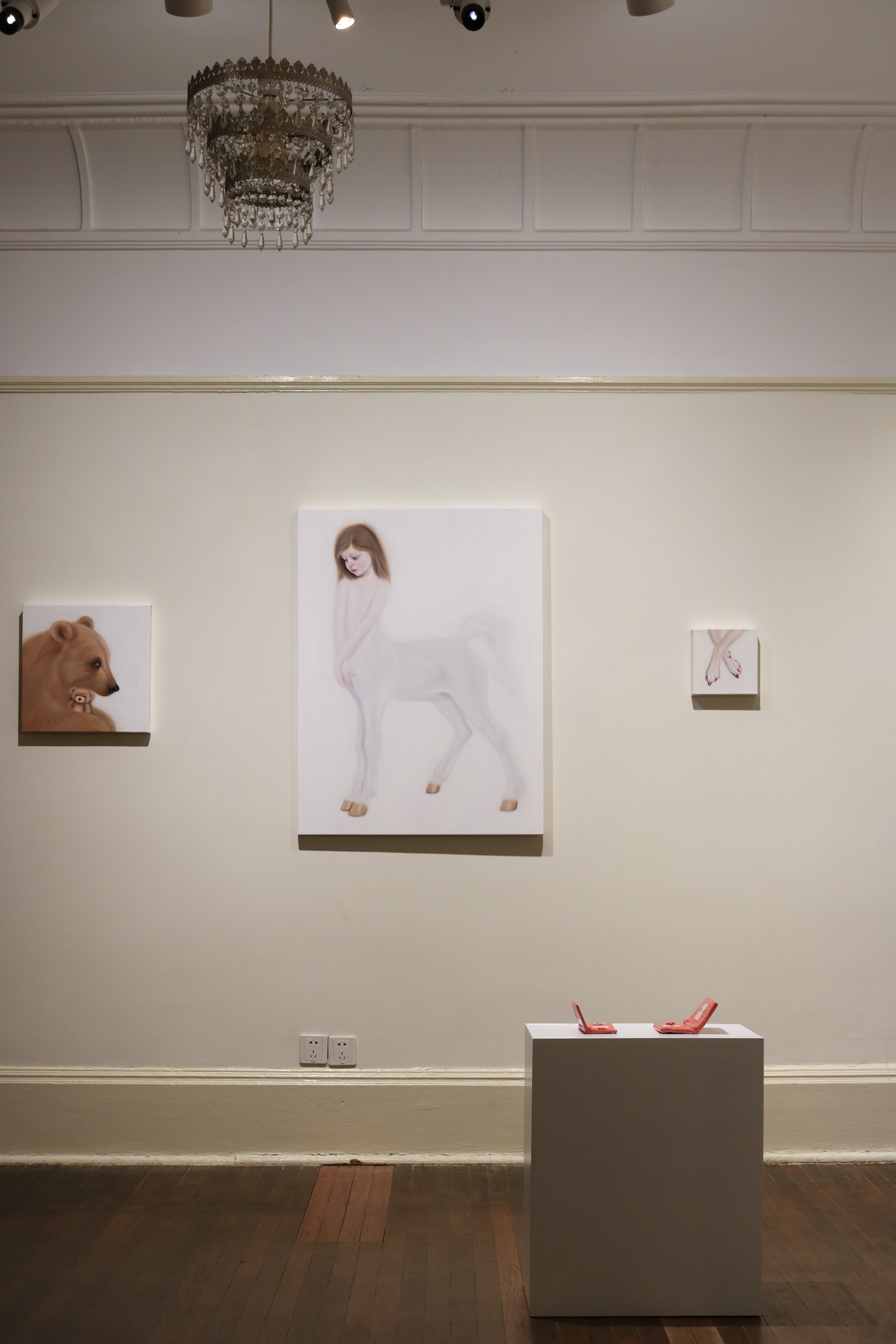
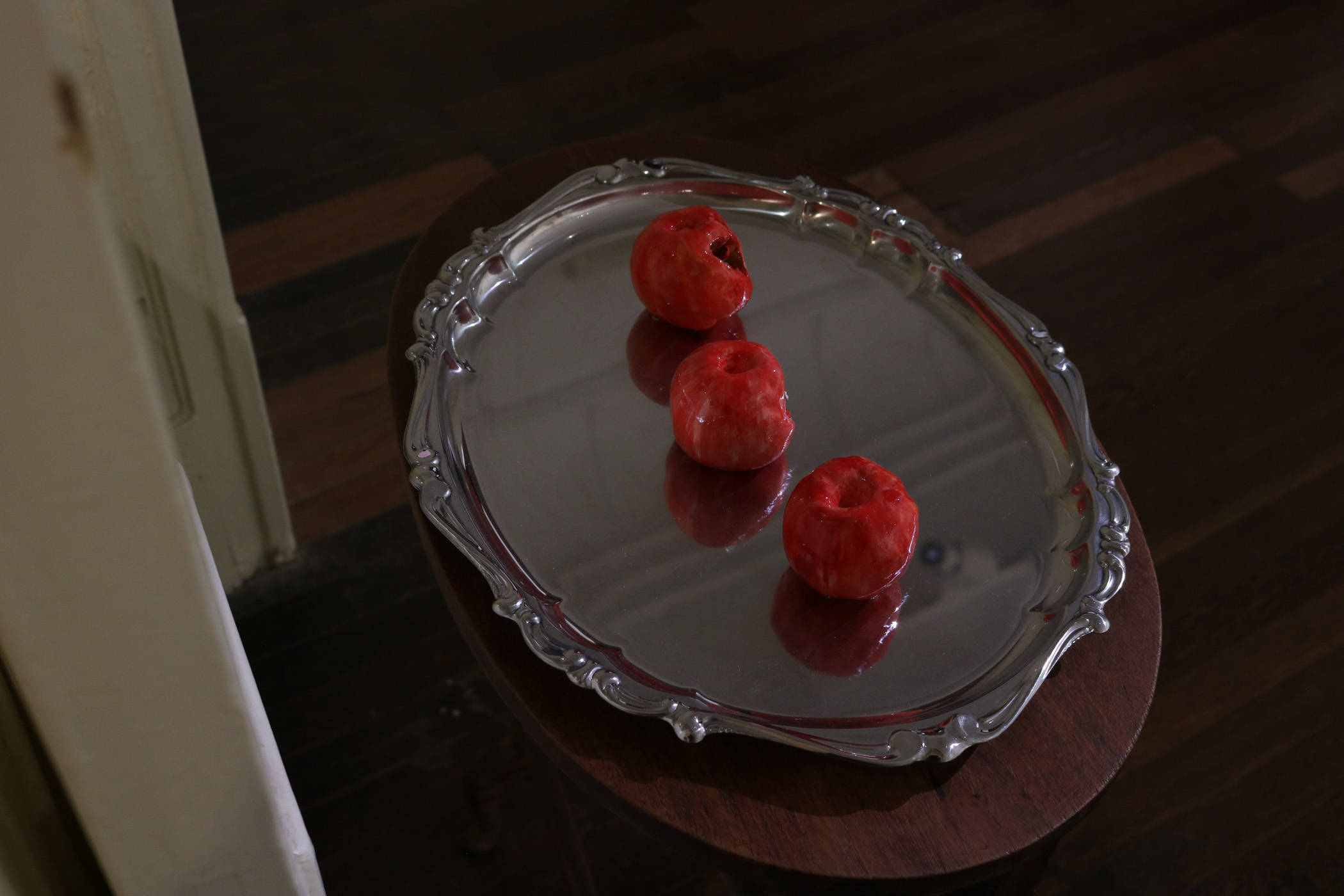
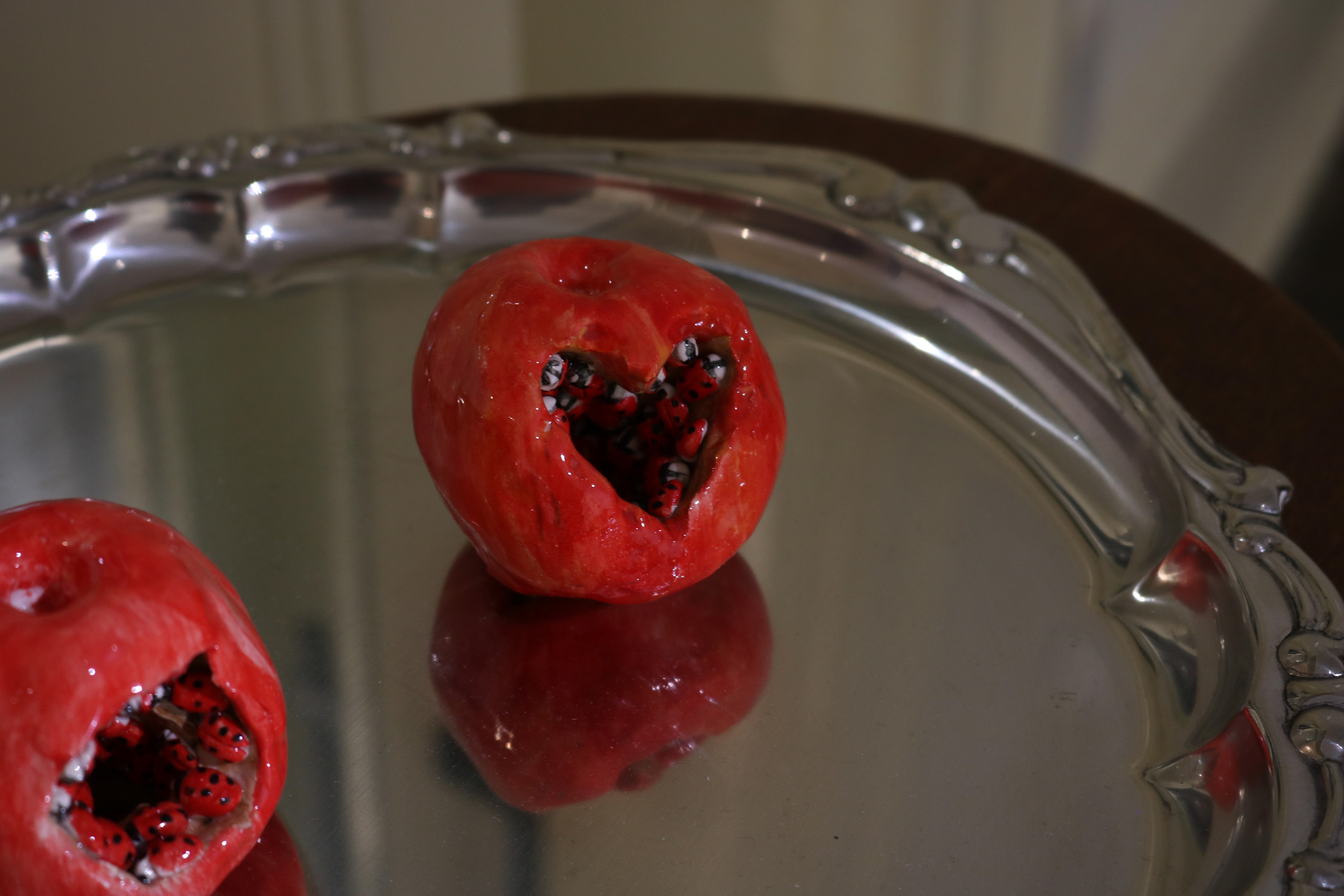
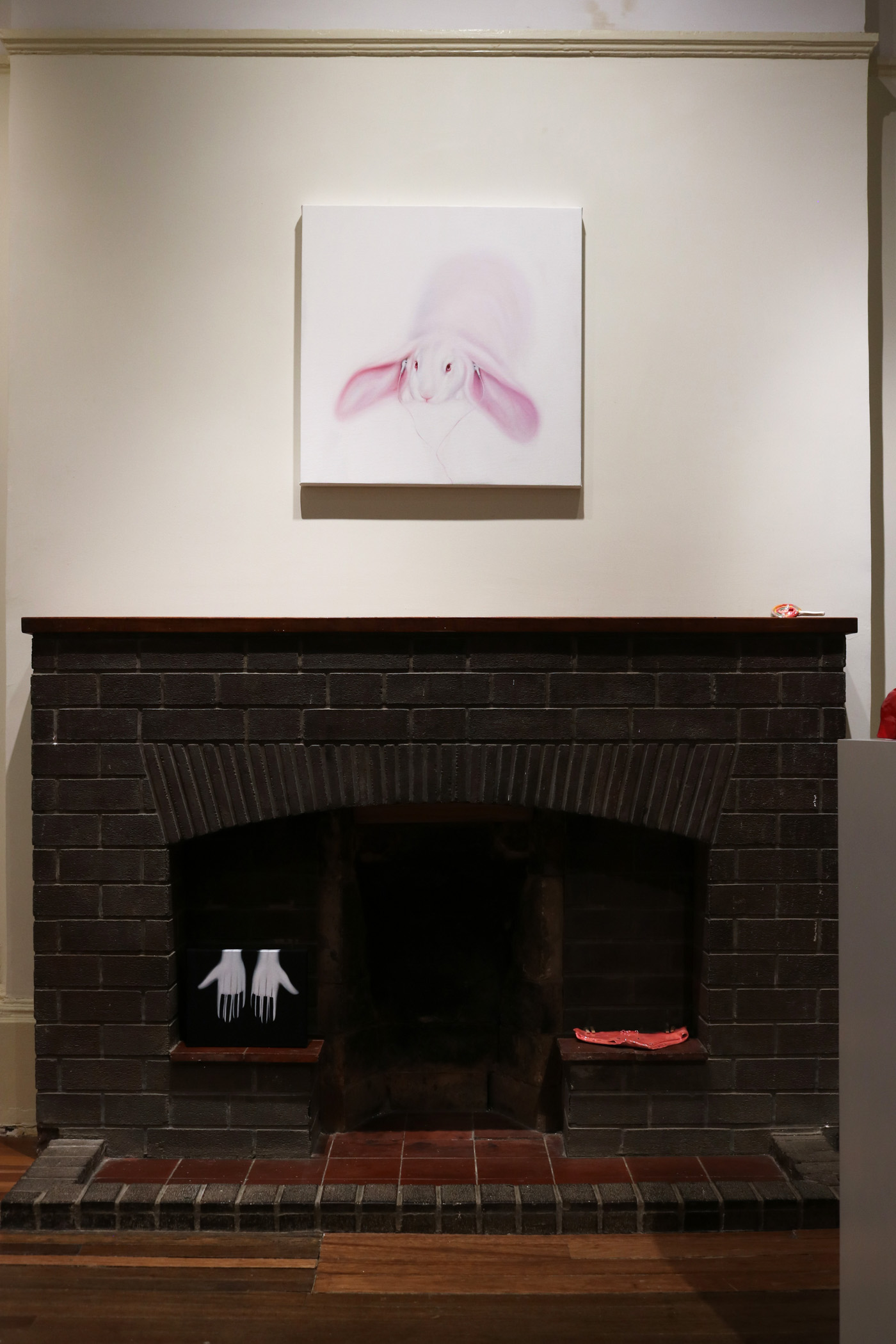
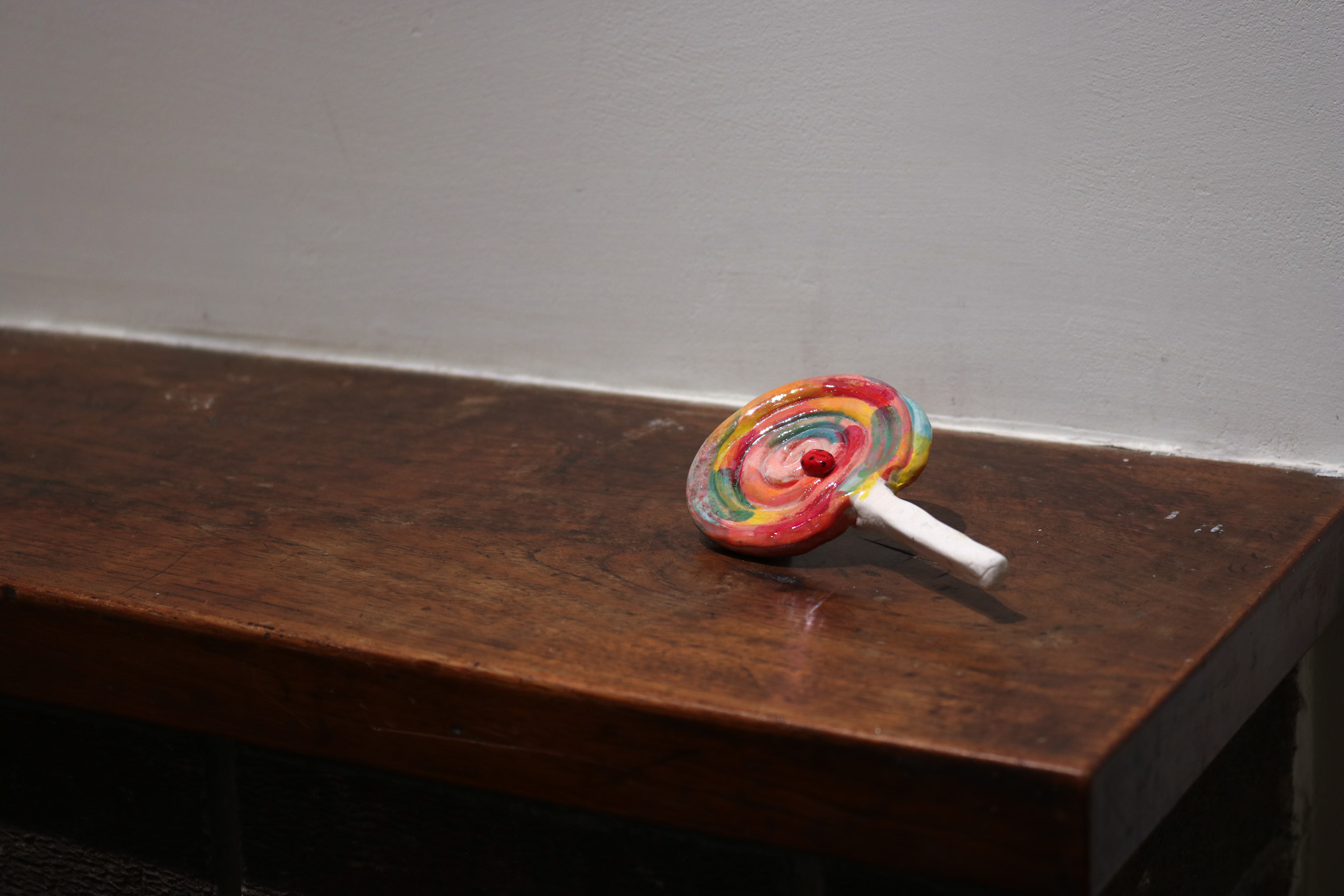
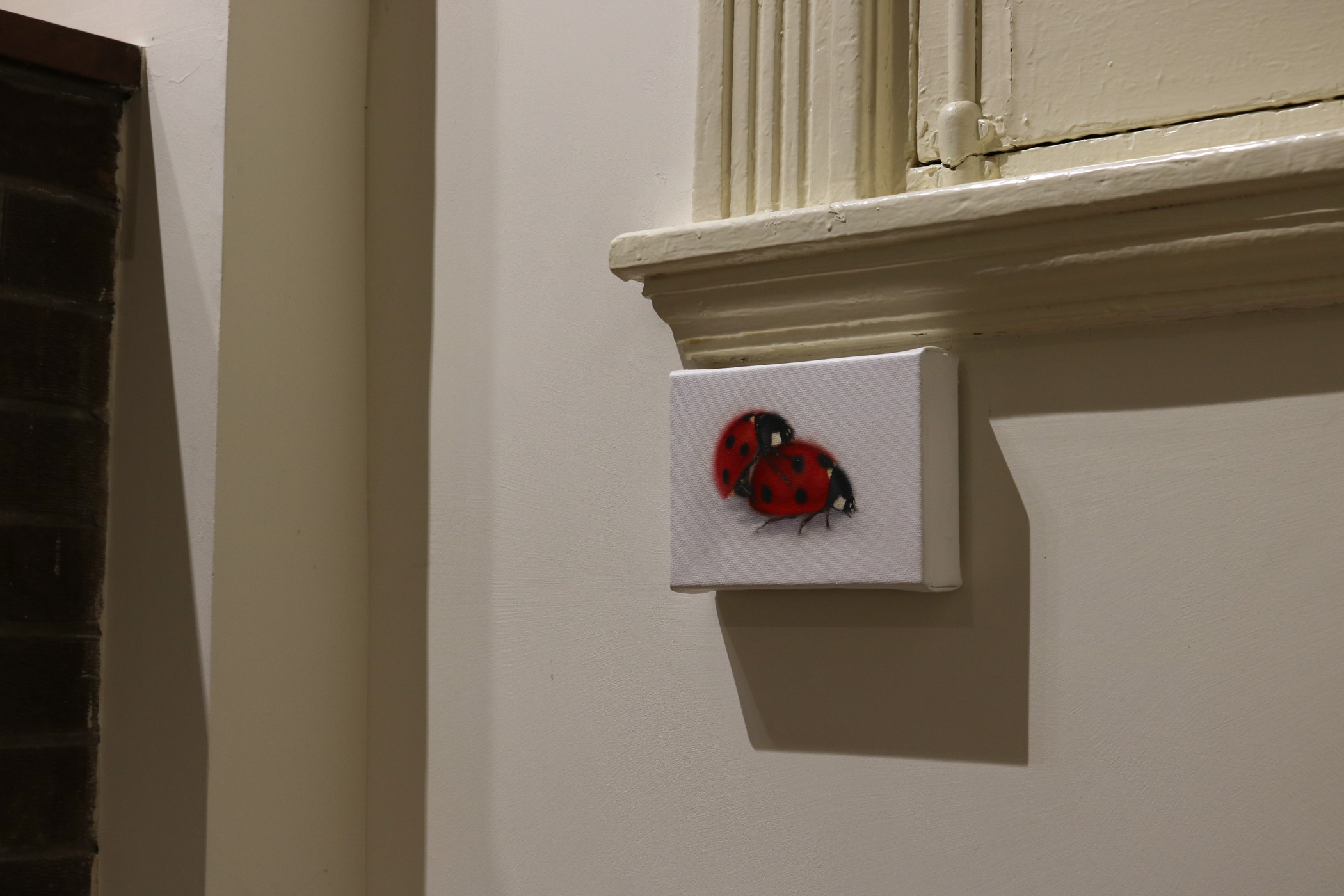
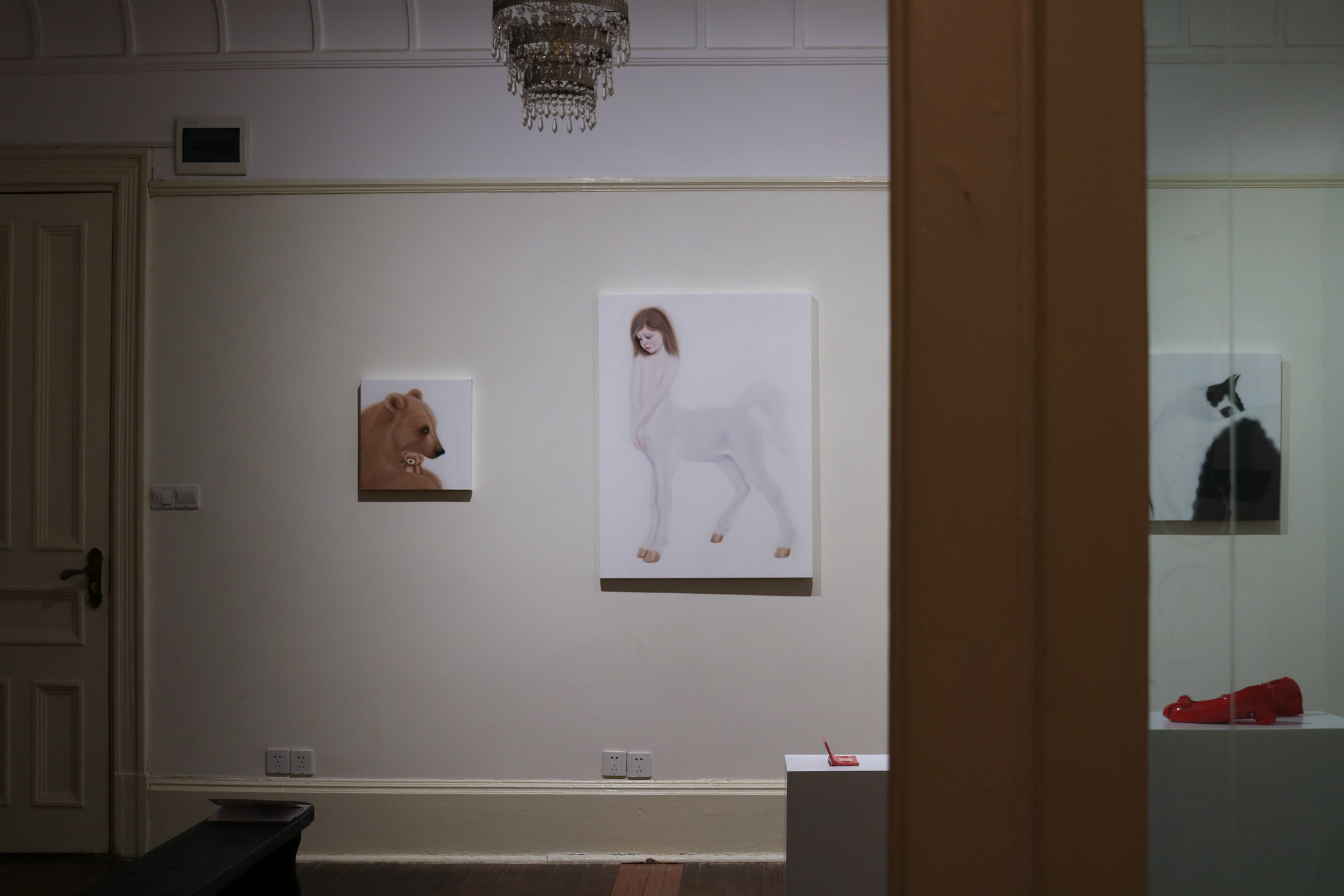
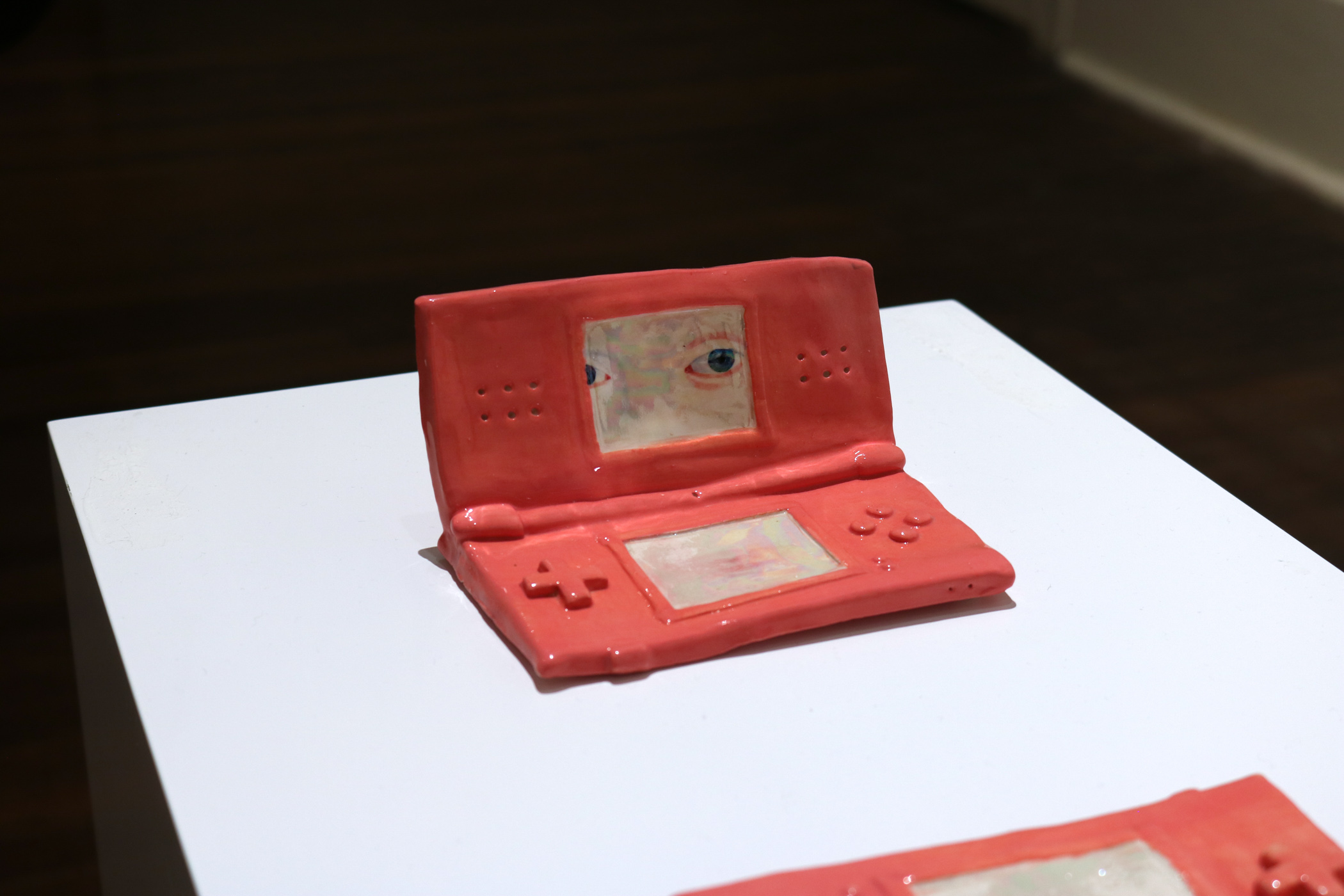
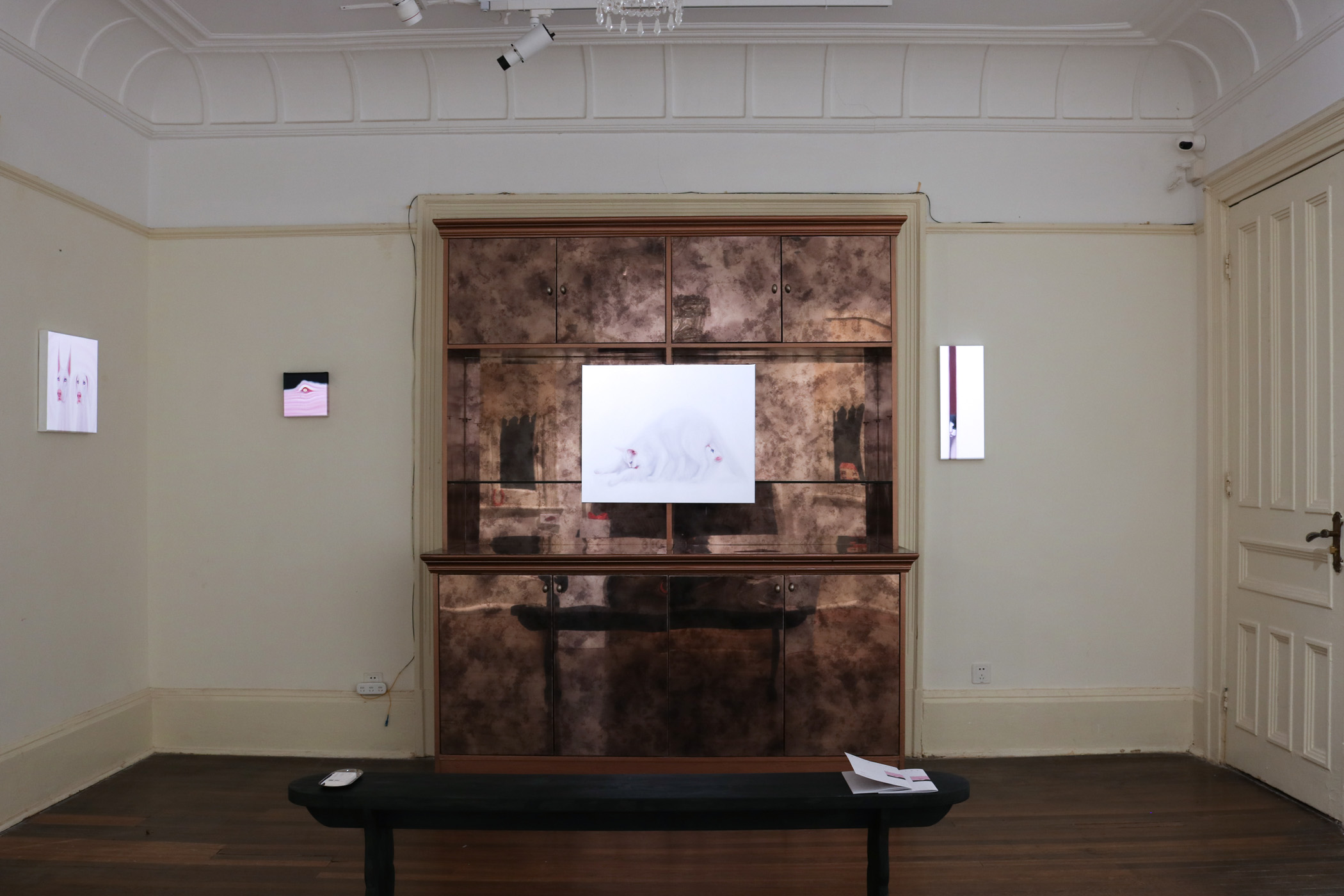
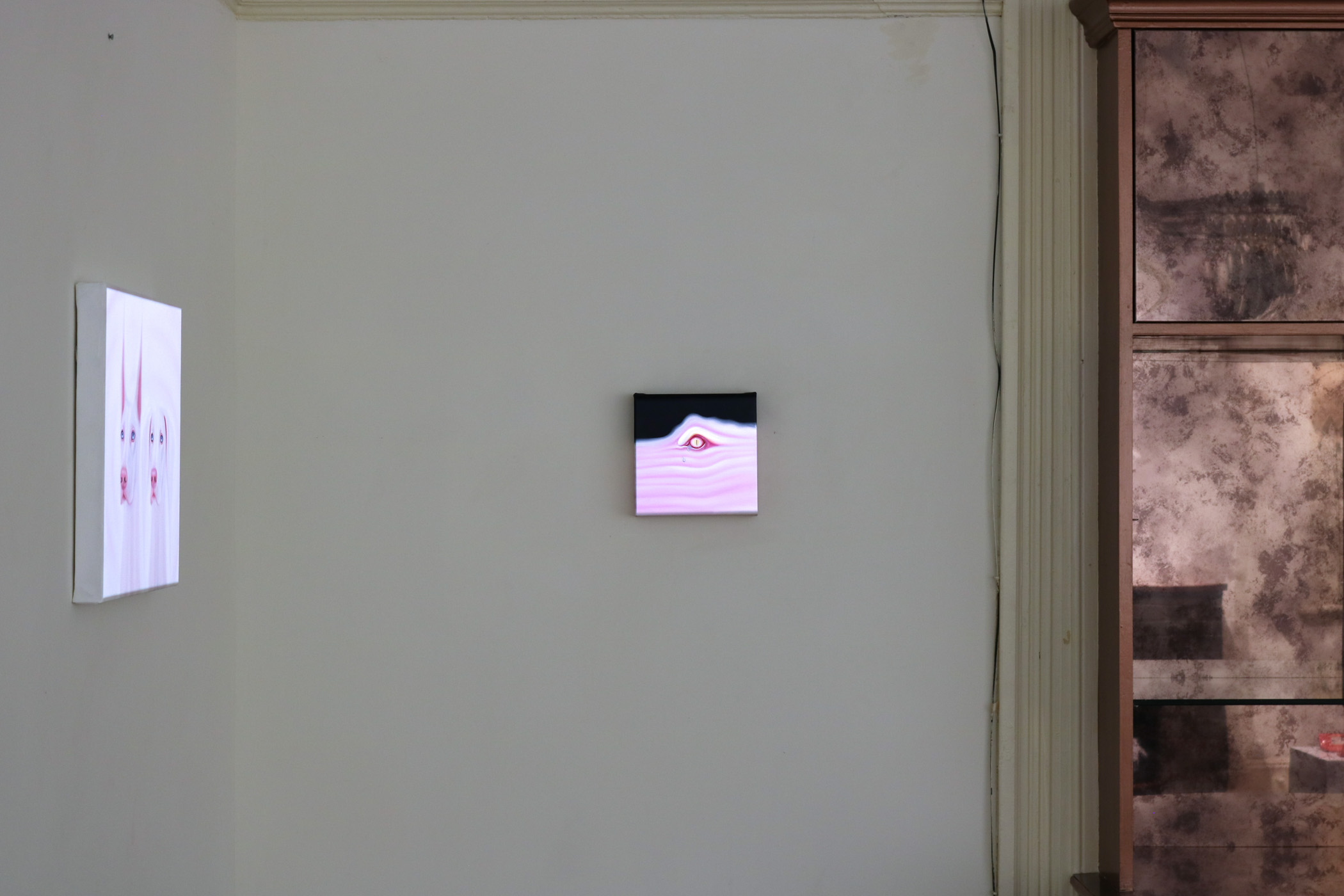
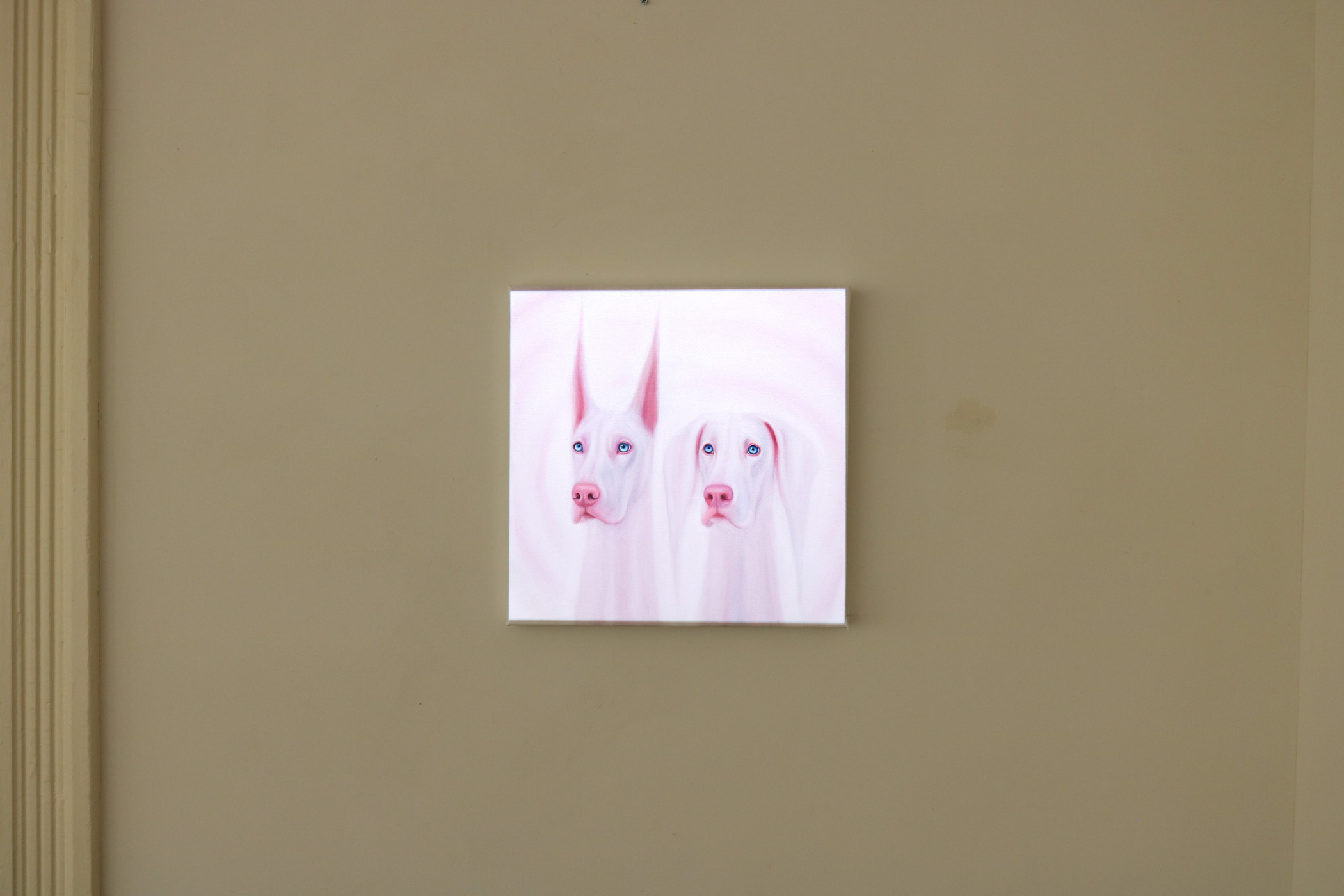
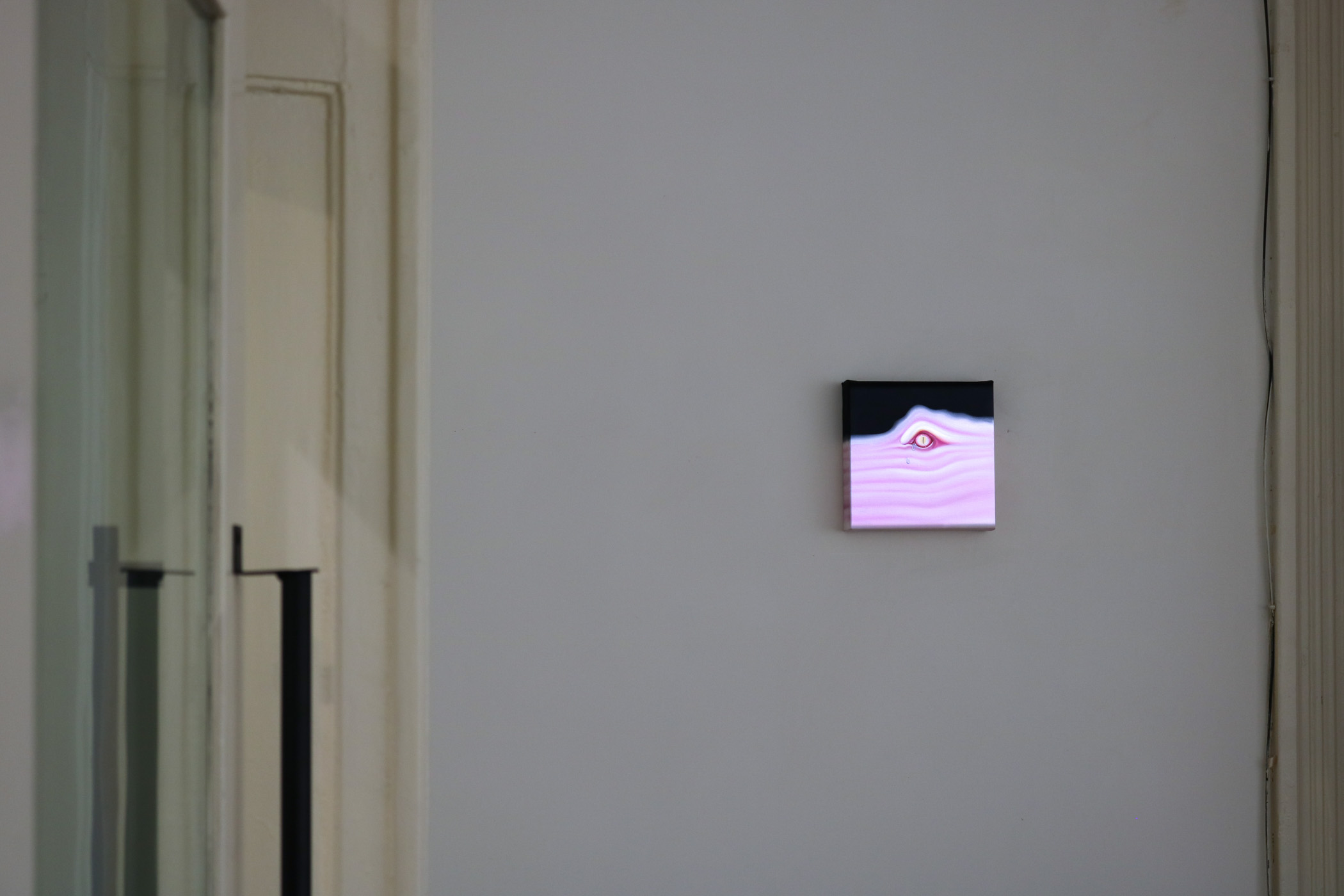
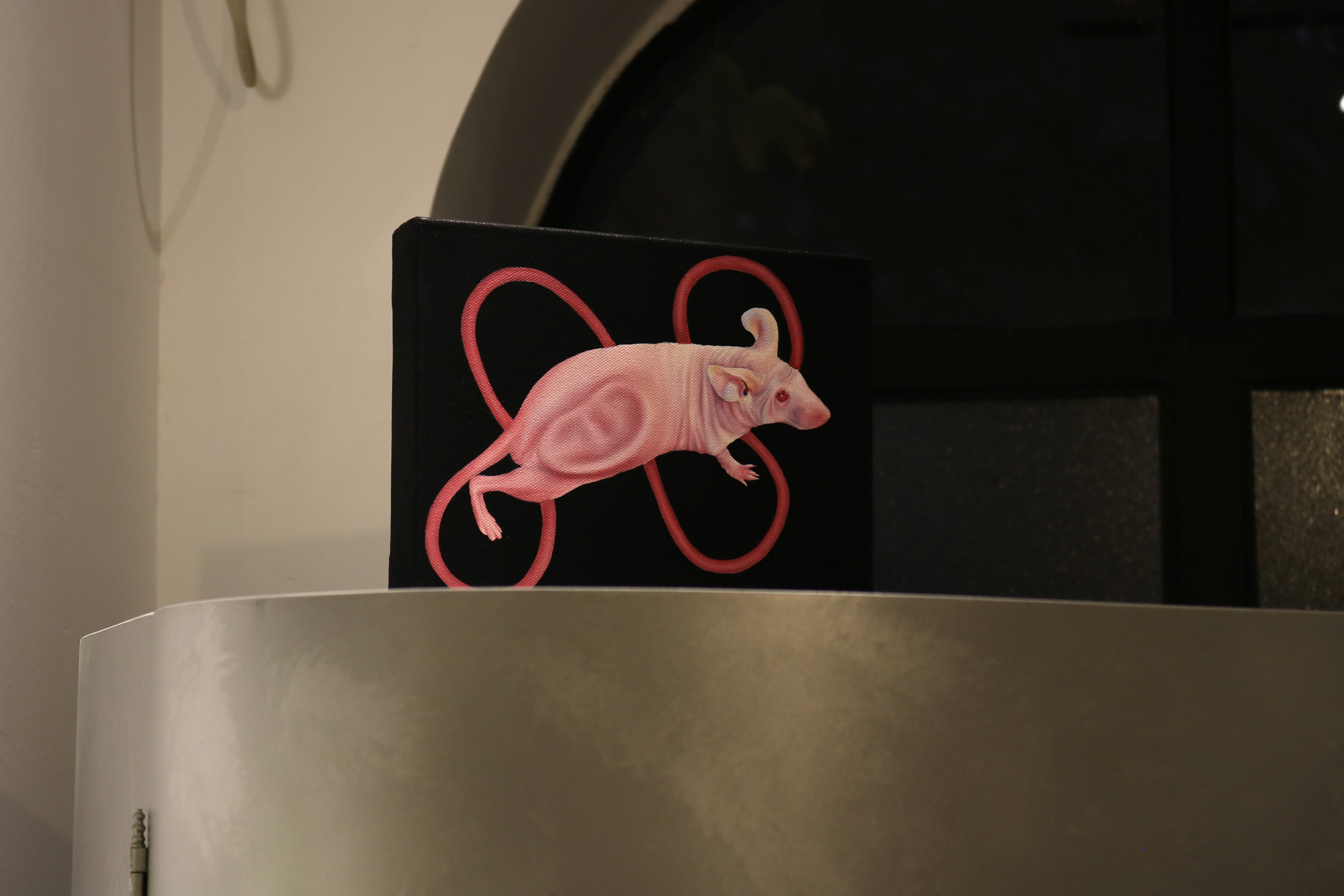
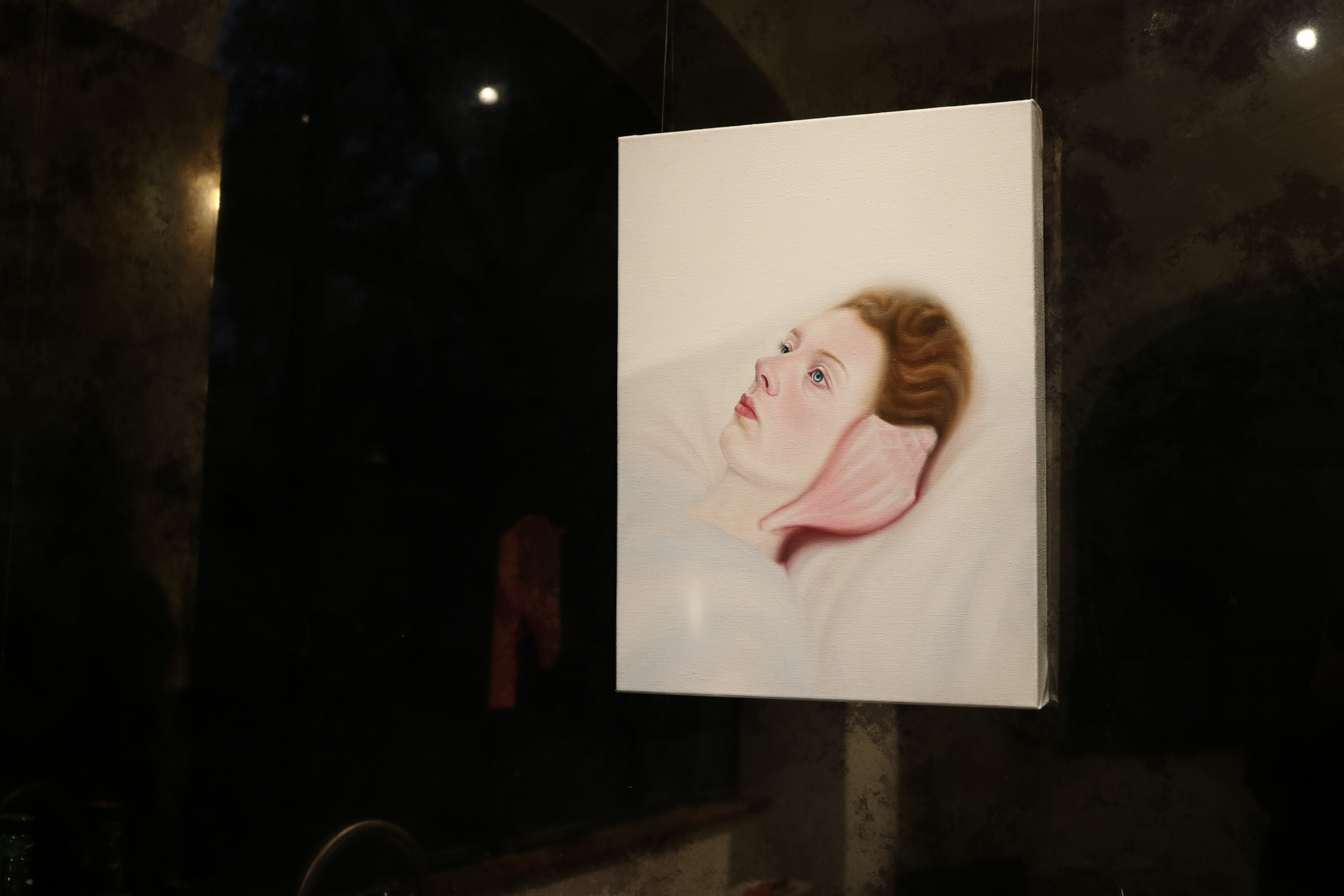
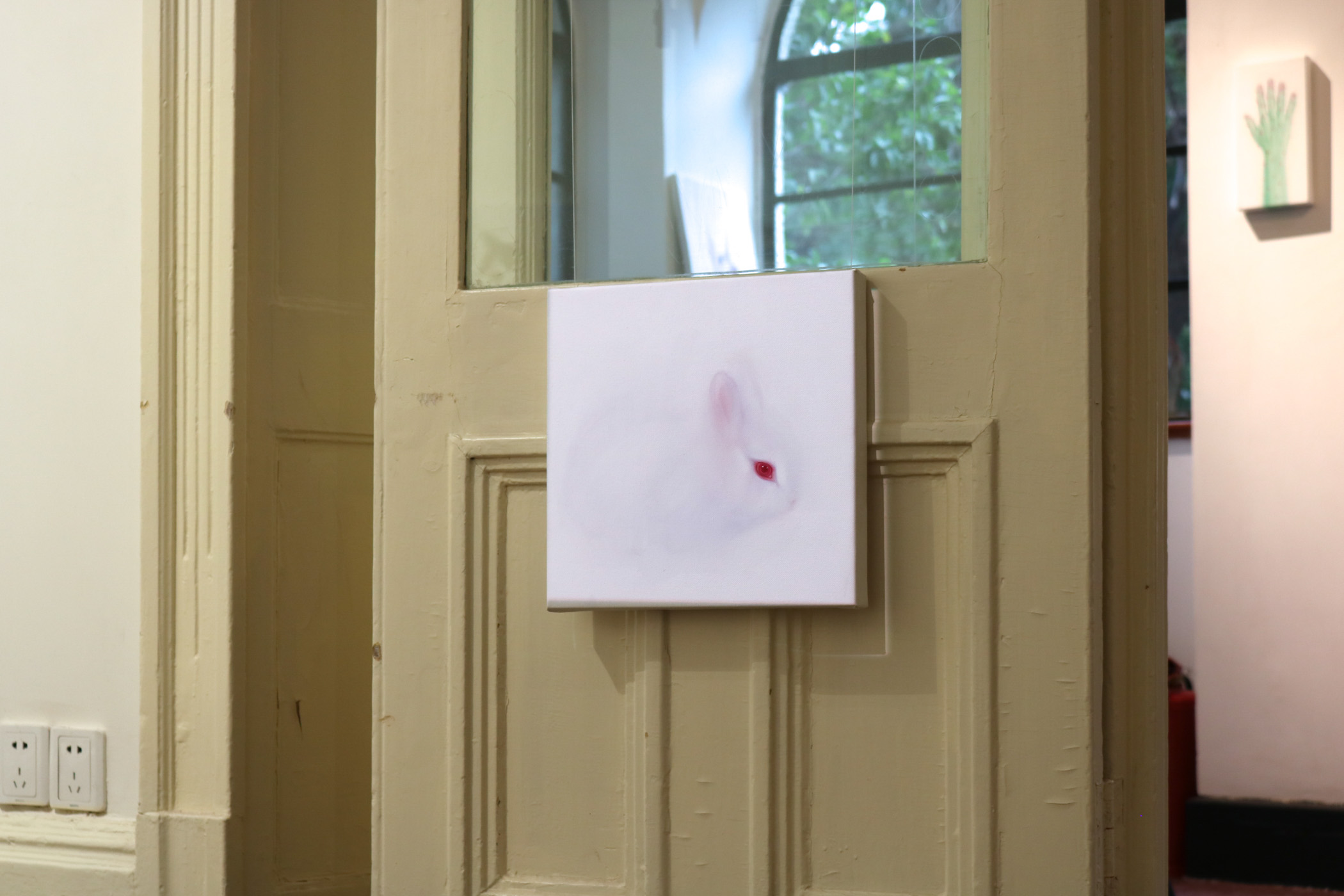
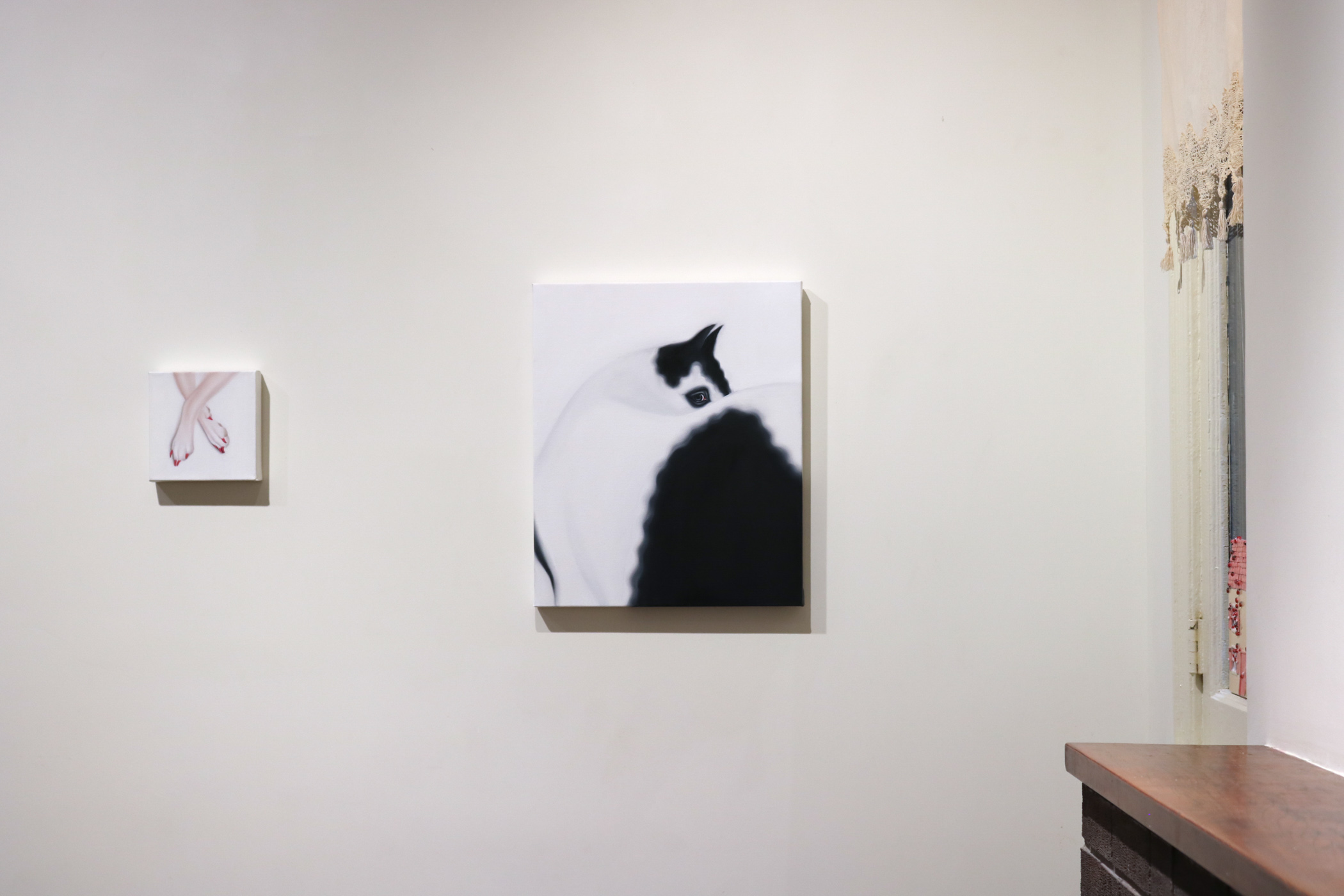
Ada Bond’s work considers the ways we project our own feelings and desires onto animals, and the complicated intimacy that follows. Cuteness plays an important role here. It draws us towards animals, making us want to care for them, protect them and bring them closer to ourselves. But there is something more complicated at work in this attraction. The desire to nurture can easily become a desire to possess, while the qualities we find so appealing in animals may tell us as much about ourselves as they do about them. Bond plays with this uncertainty, allowing affection to slip into unease.
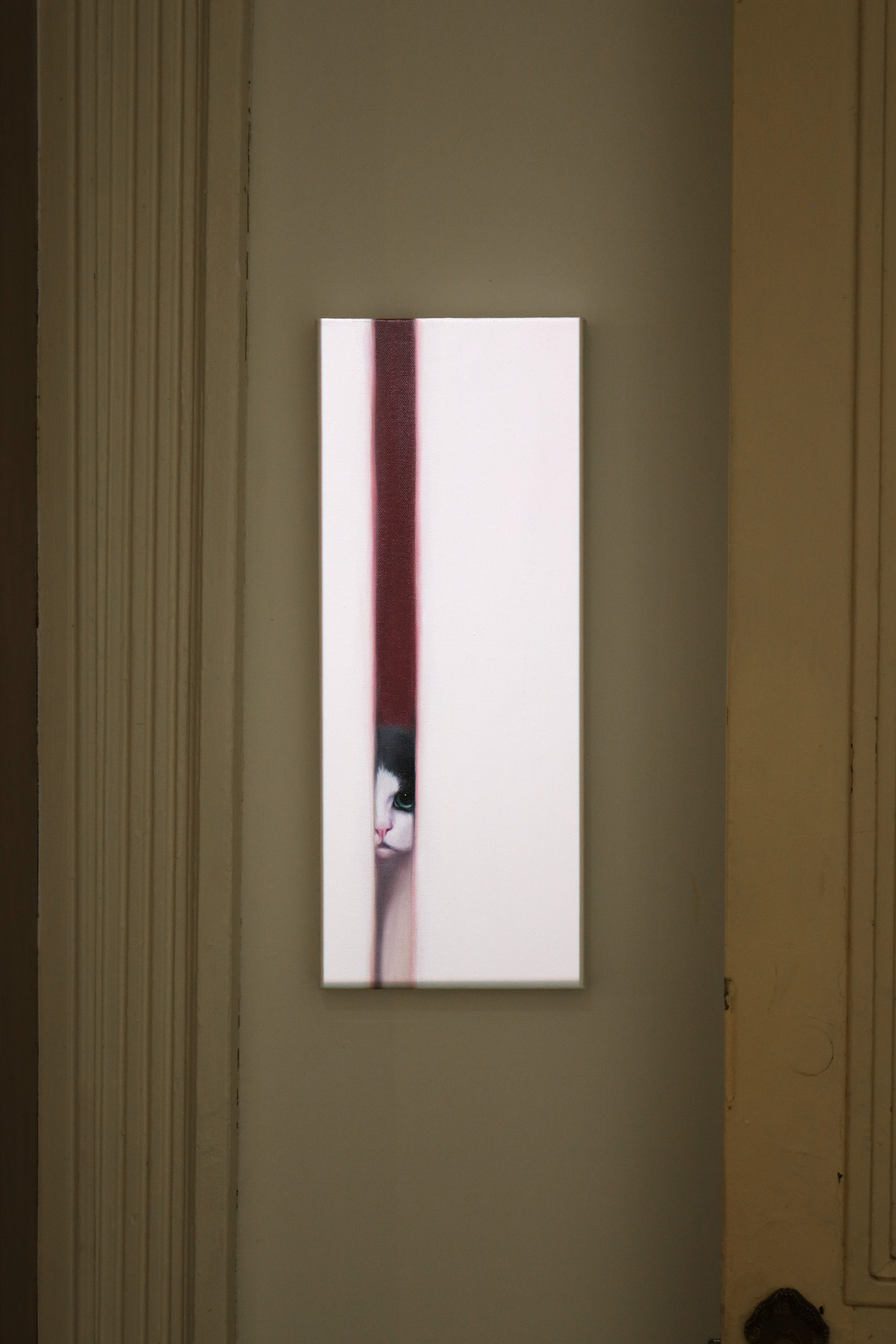
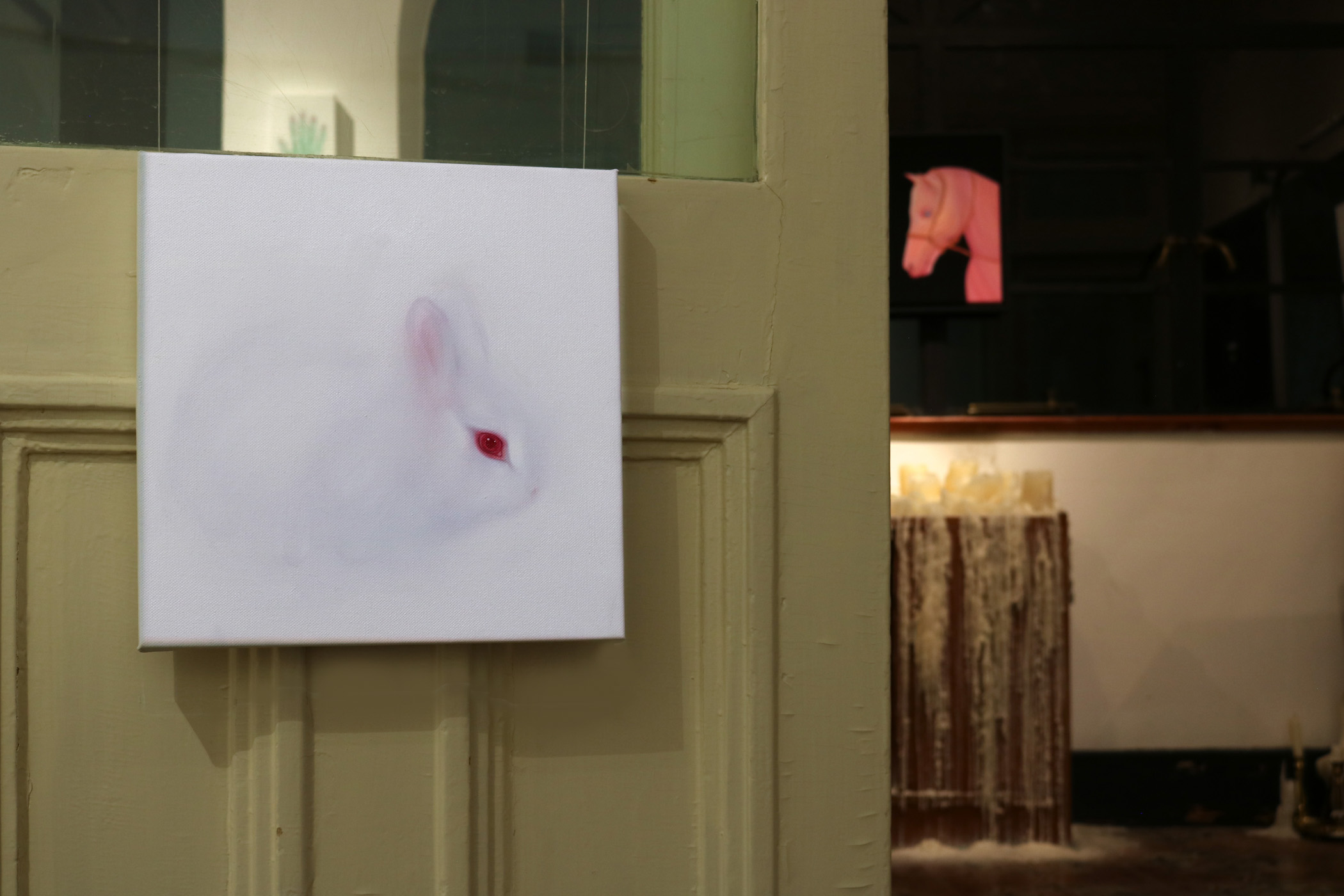
Something shifts when we recognise that we, too, are being watched. Jacques Derrida begins with the experience of being looked at by a cat. In recognising the animal’s gaze, the familiar relationship between observer and observed is unsettled. The animal is no longer simply something to be looked at and interpreted; we become aware of ourselves as the object of another’s attention.[3] Bond’s works invite a similar shift in perspective. Rather than offering a definitive account of the animal, they draw attention to the ways we look at it, what we project onto it and what we hope to find in return.
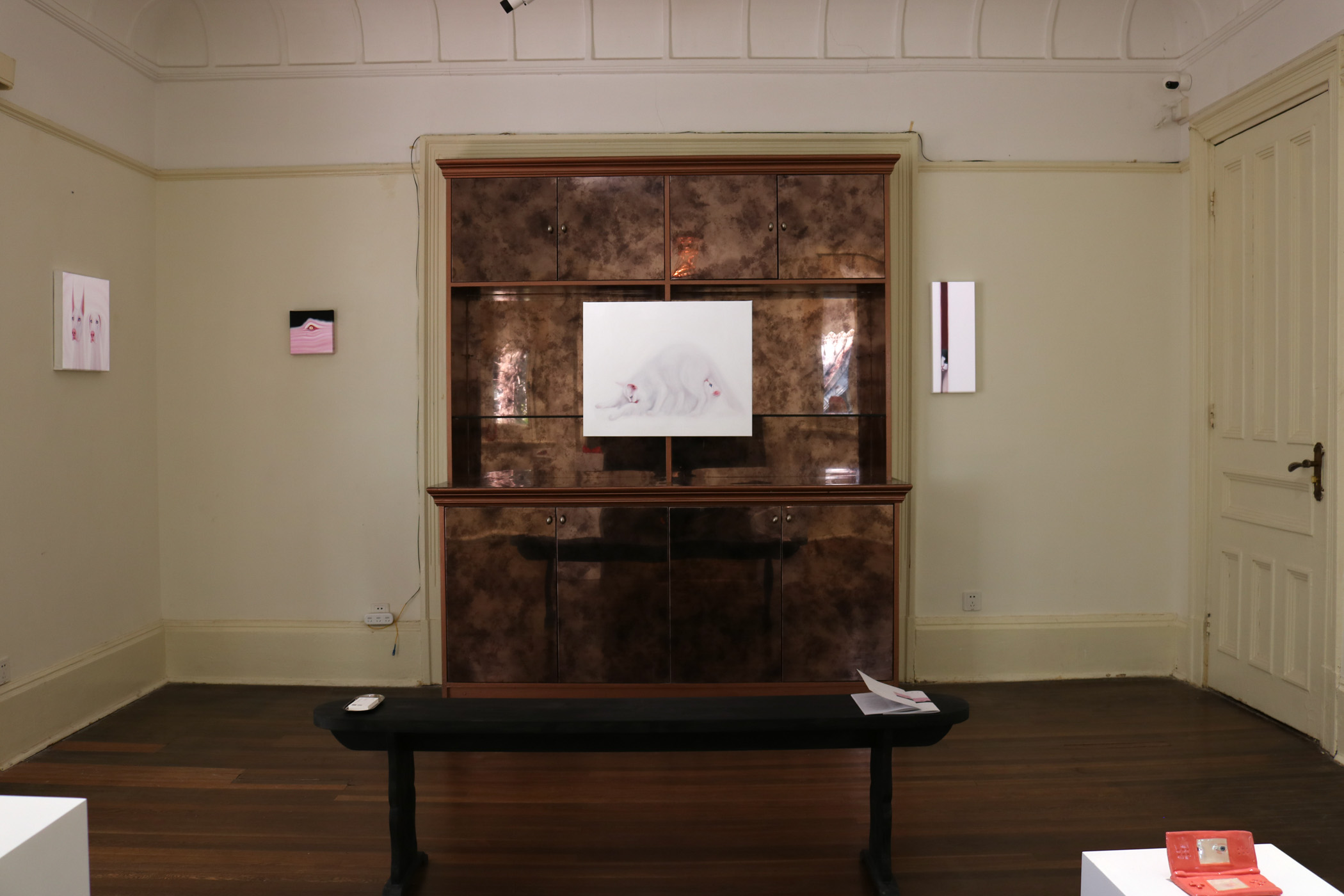
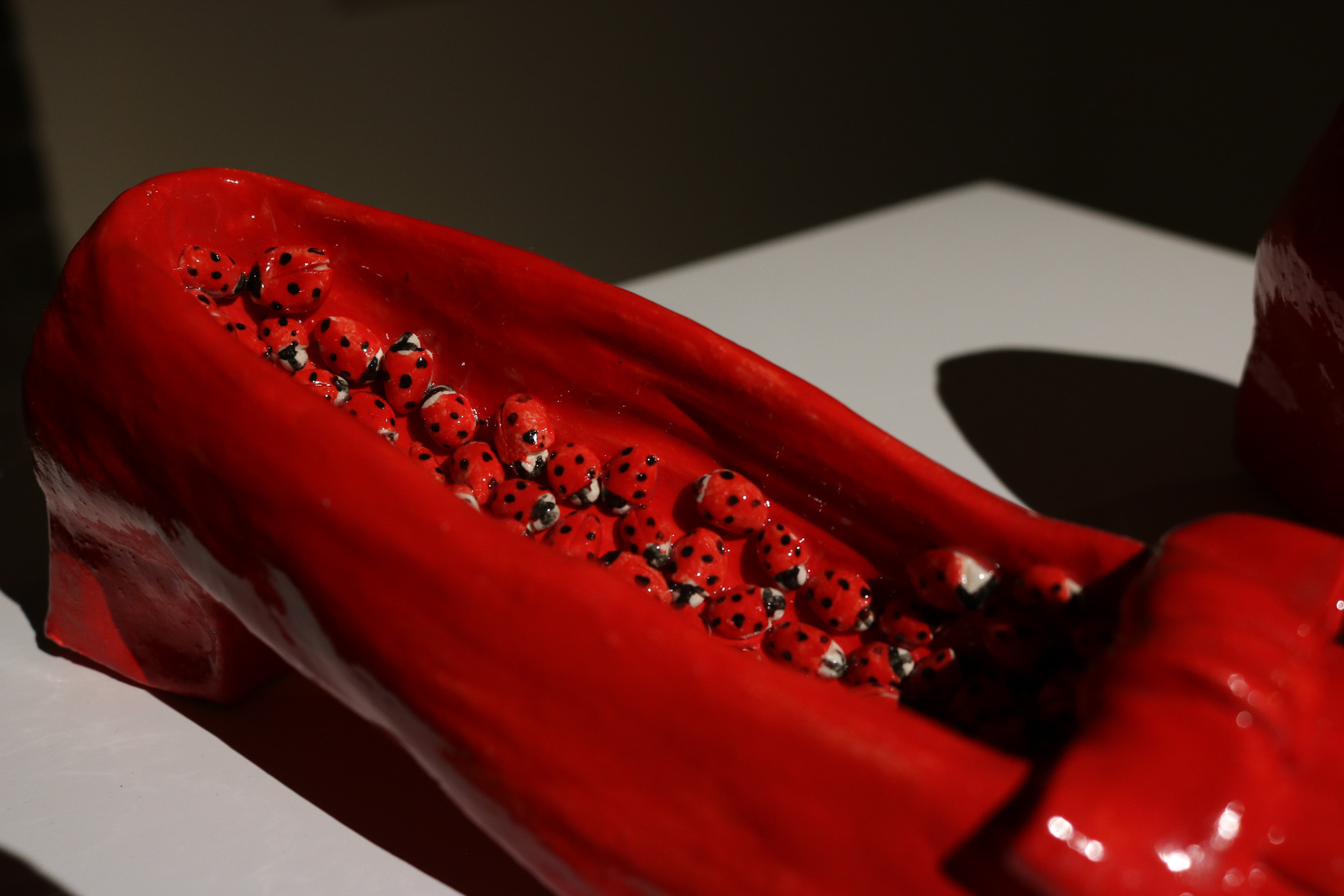
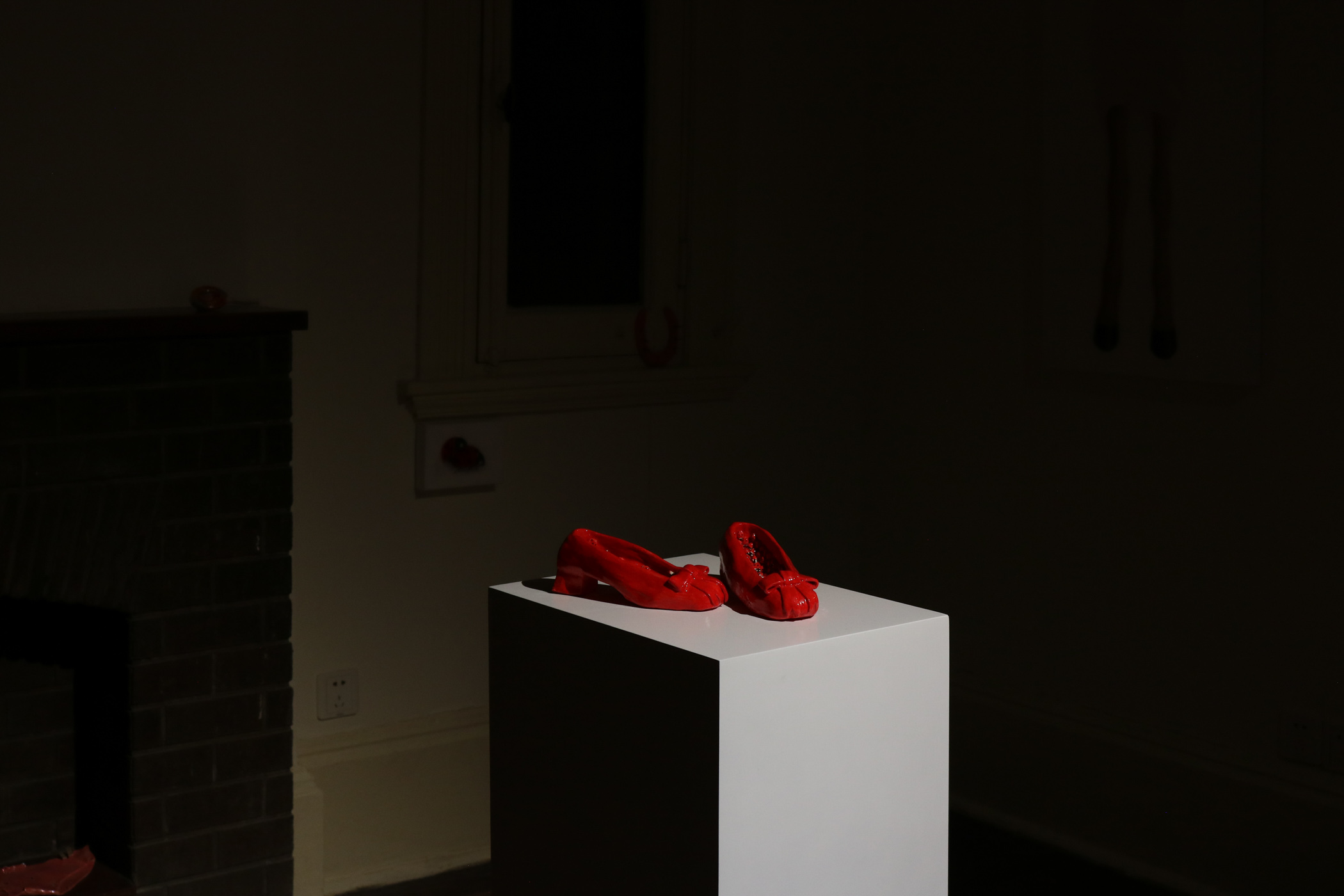
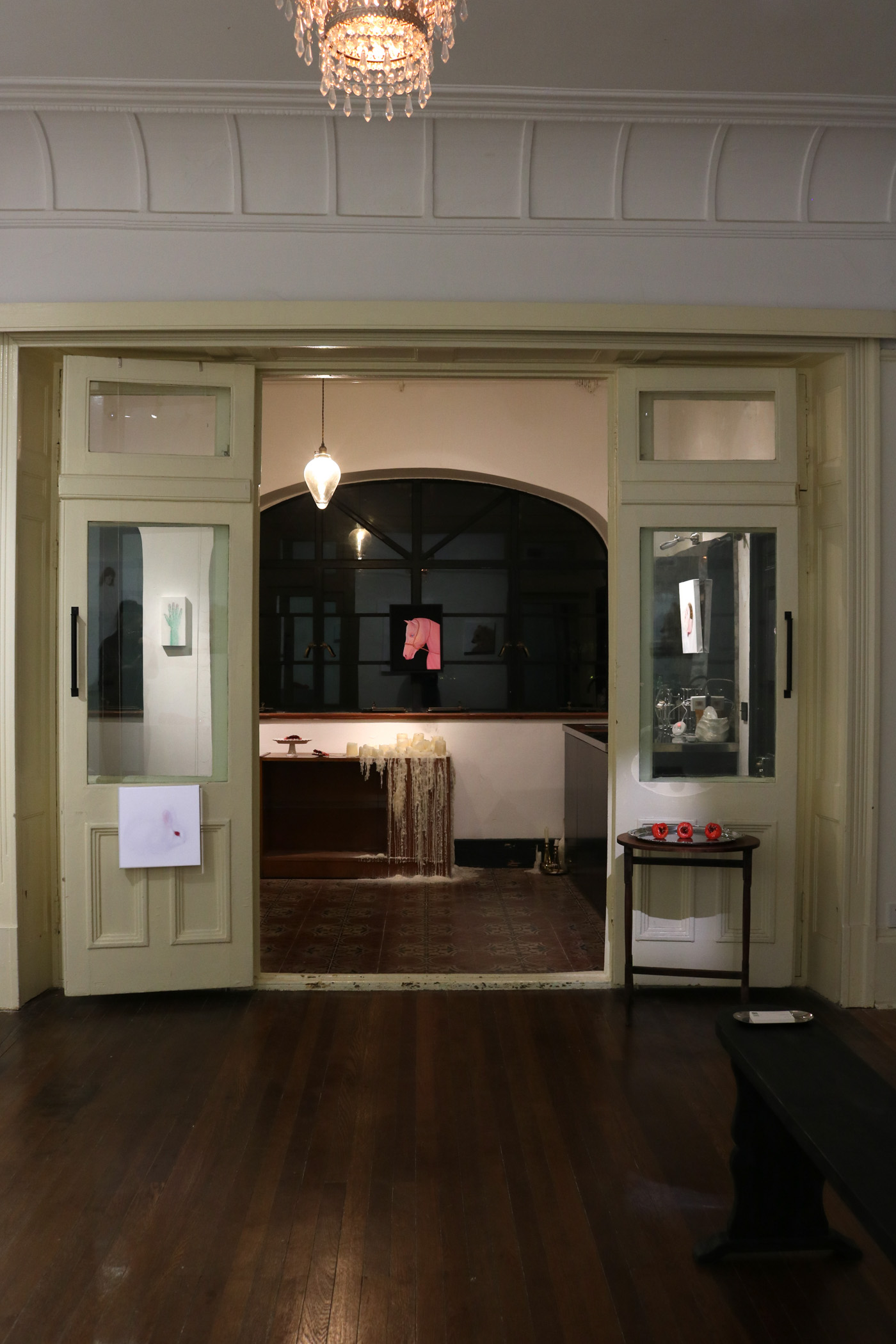
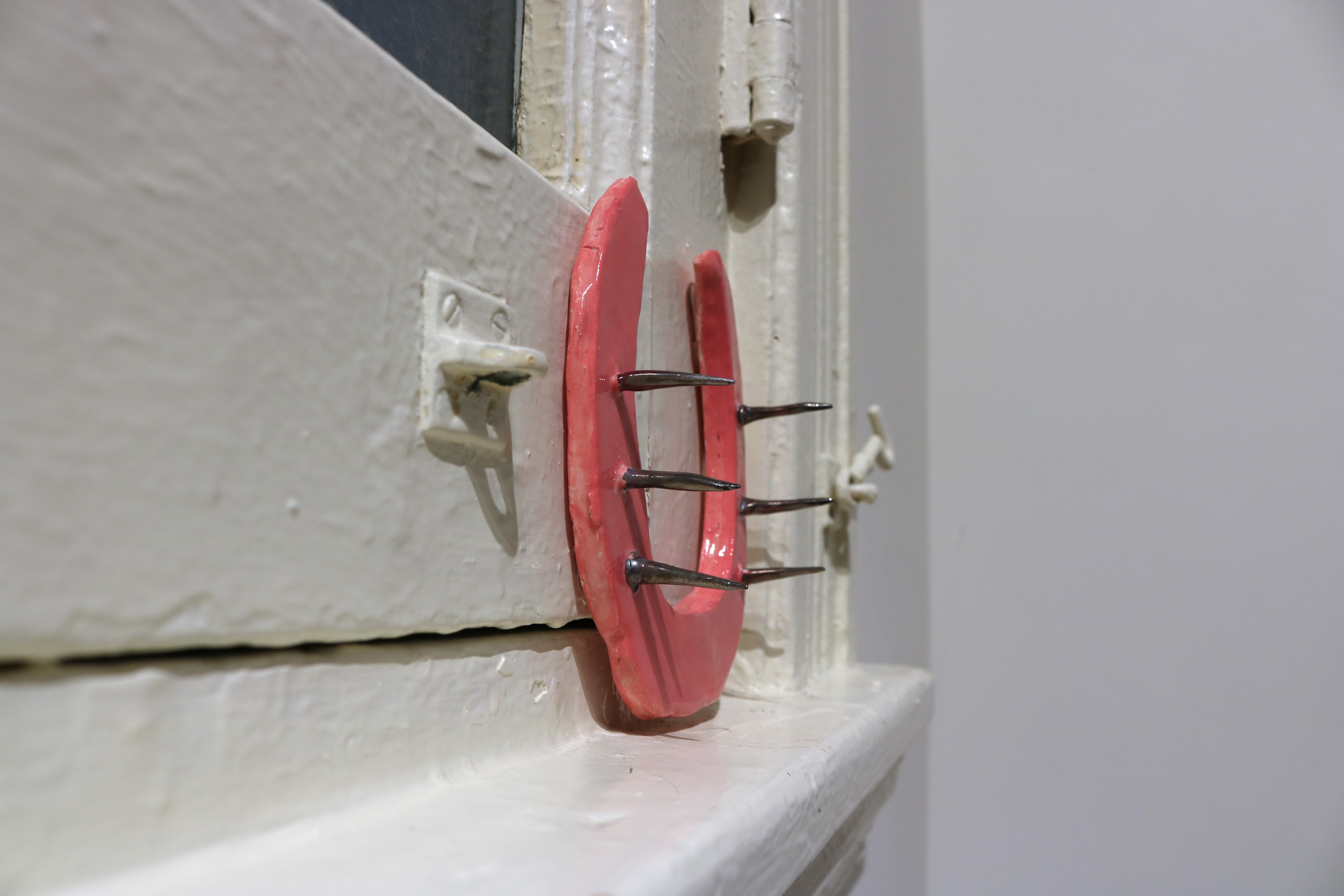
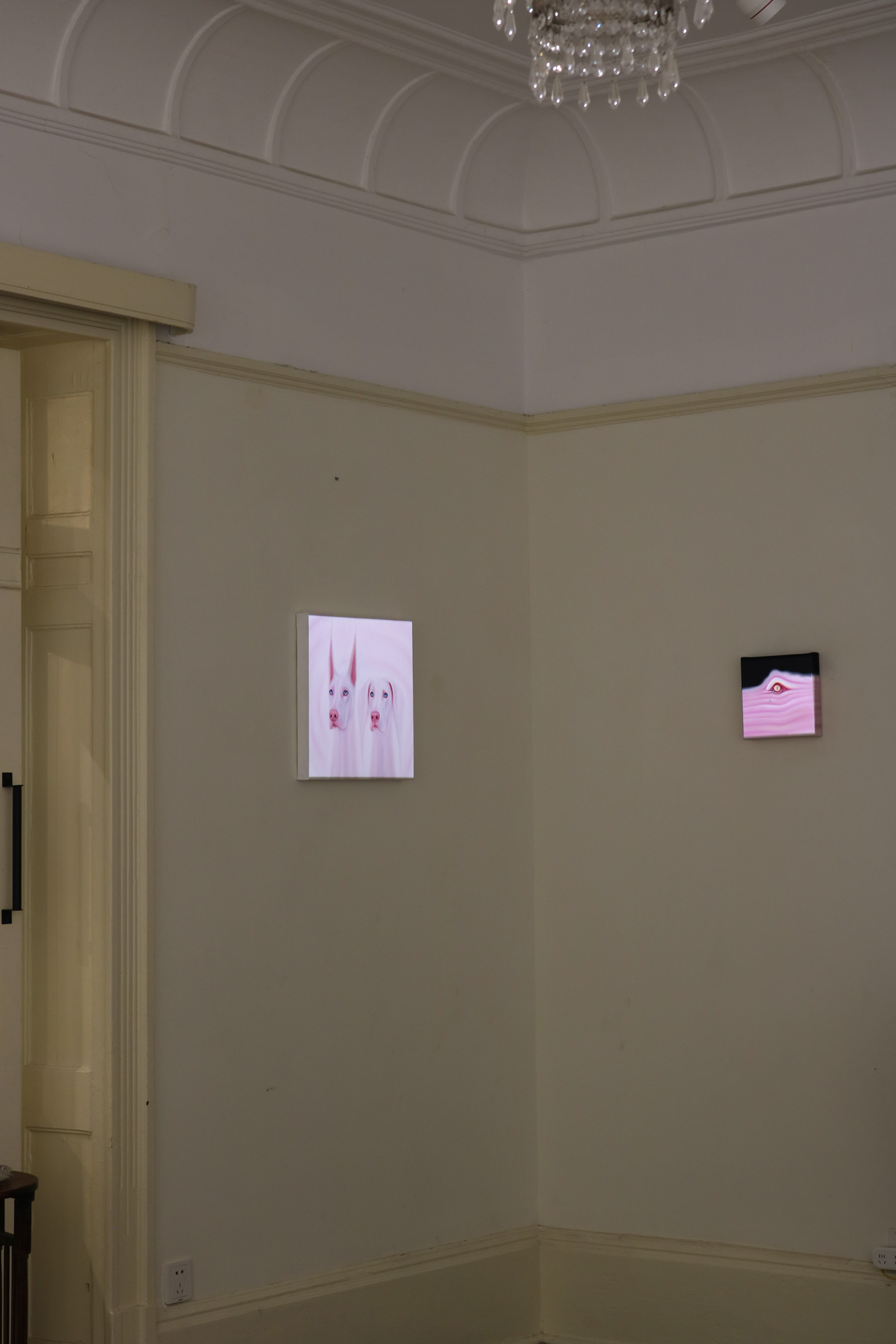
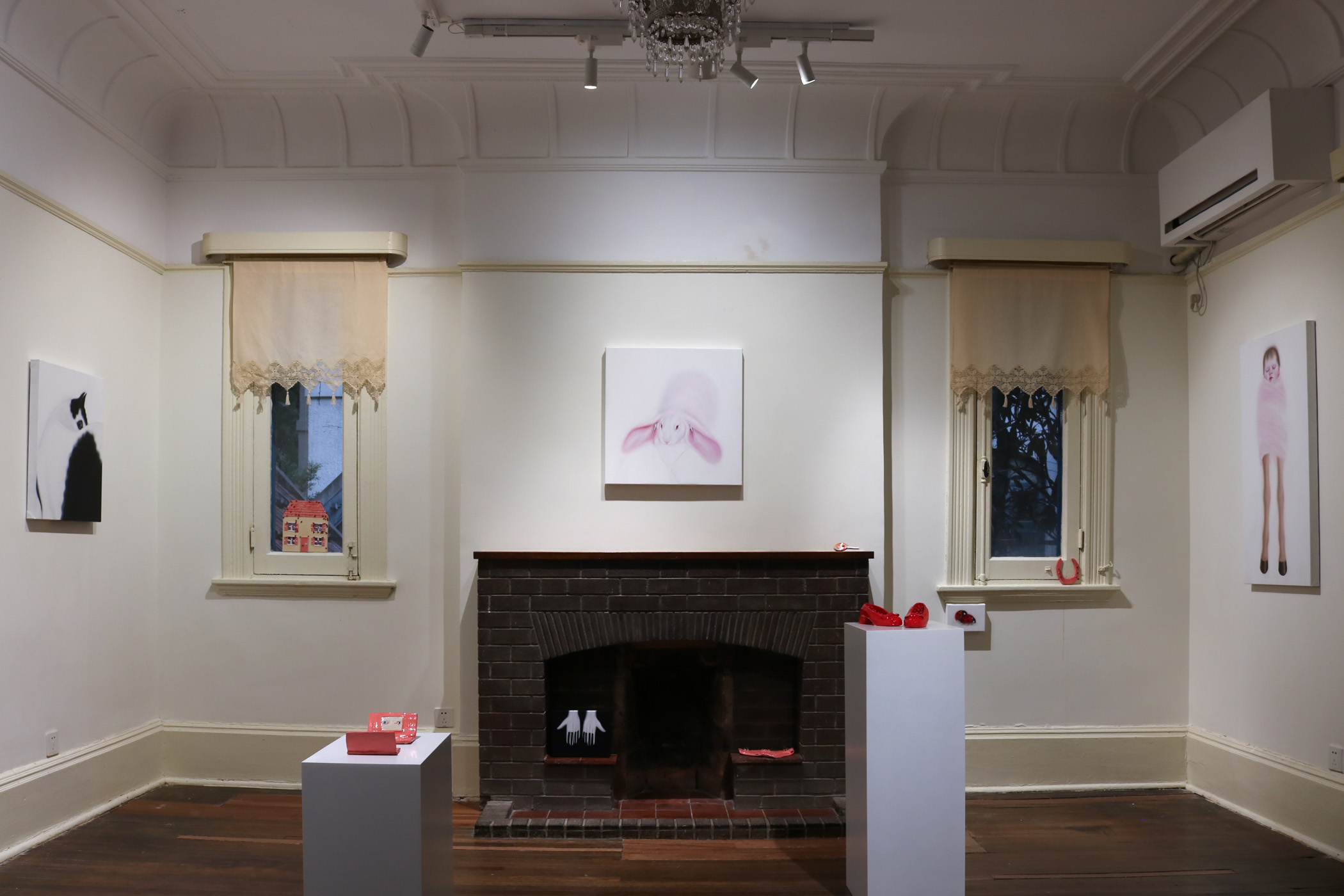
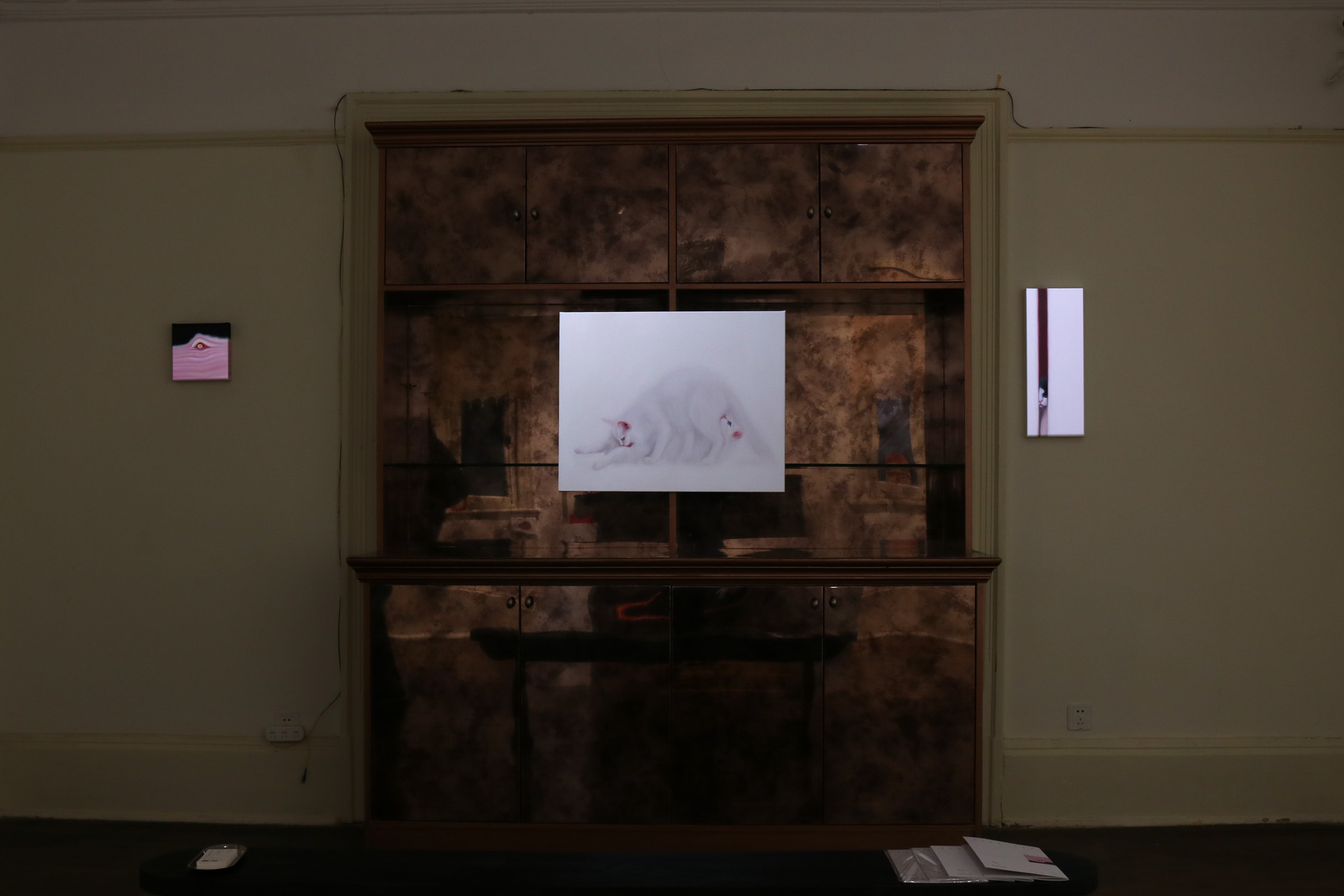
Creature Comfort refers both to the small comforts of everyday life and to the intimacy of finding comfort in an animal. Nótt’s interior bears the traces of time, and its setting allows a slower kind of looking. Animal forms emerge in the space, while withholding anything easily decipherable. However hard we look at the works and feel a sense of closeness, there remains something we cannot fully understand. Perhaps comfort does not depend on understanding another form of life completely, but on accepting the distance that remains between us.
Notes
[1] Thomas Nagel, “What Is It Like to Be a Bat?,” The Philosophical Review 83, no. 4 (1974): 435–450. Nagel asks whether subjective experience can be fully captured by objective description. Here, his question points to the limits of understanding across species.
[2] Donna J. Haraway, When Species Meet (Minneapolis: University of Minnesota Press, 2008). Haraway uses the notion of “companion species” to consider how humans and animals become with one another in specific relations. This co-formation does not imply equality or erase the power differences within those relations.
[3] Jacques Derrida, “The Animal That Therefore I Am (More to Follow),” Critical Inquiry 28, no. 2 (2002): 369–418. Beginning from his experience of being watched by a cat, Derrida asks how humans occupy the position of viewer and classify animals as objects of their gaze.
