
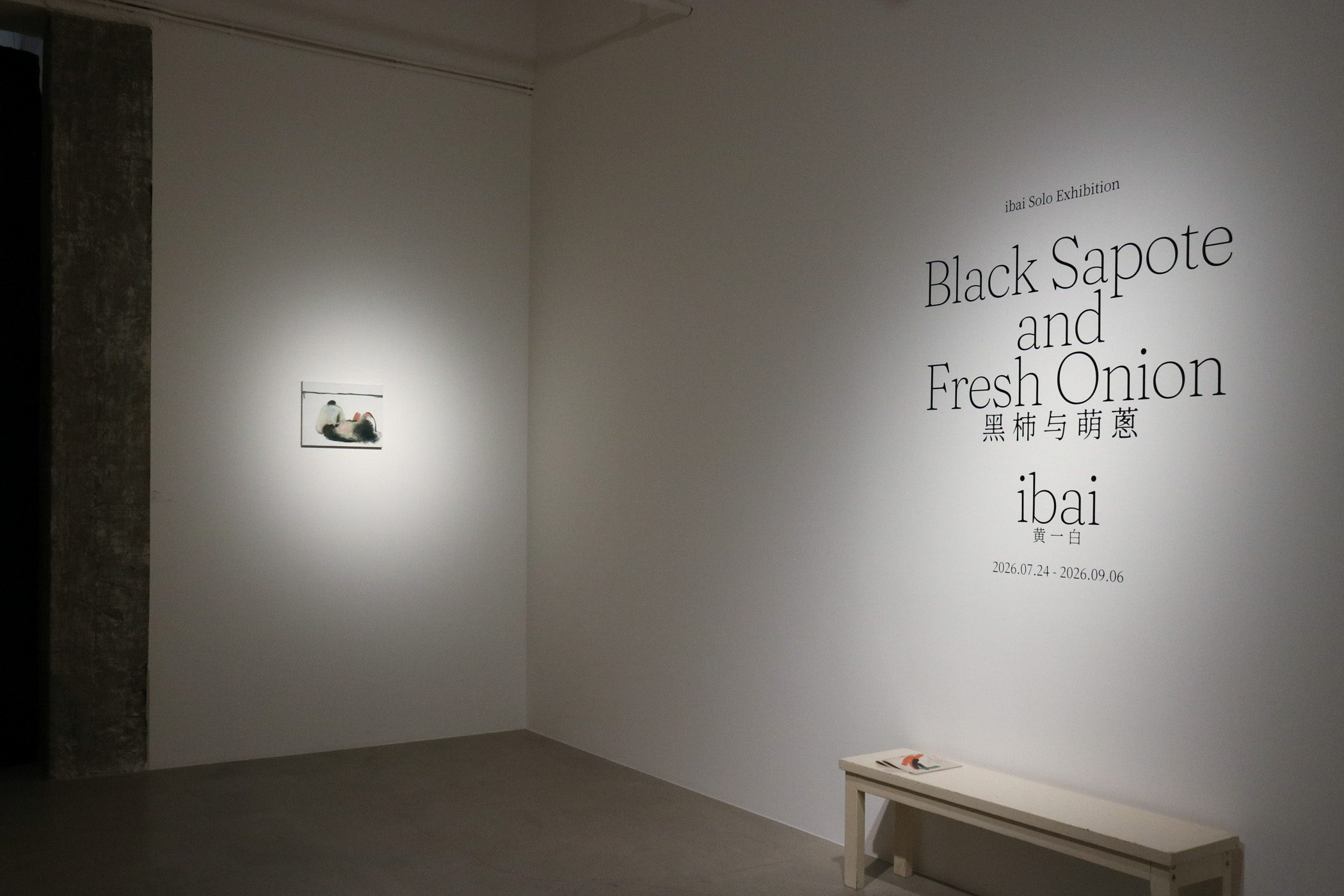
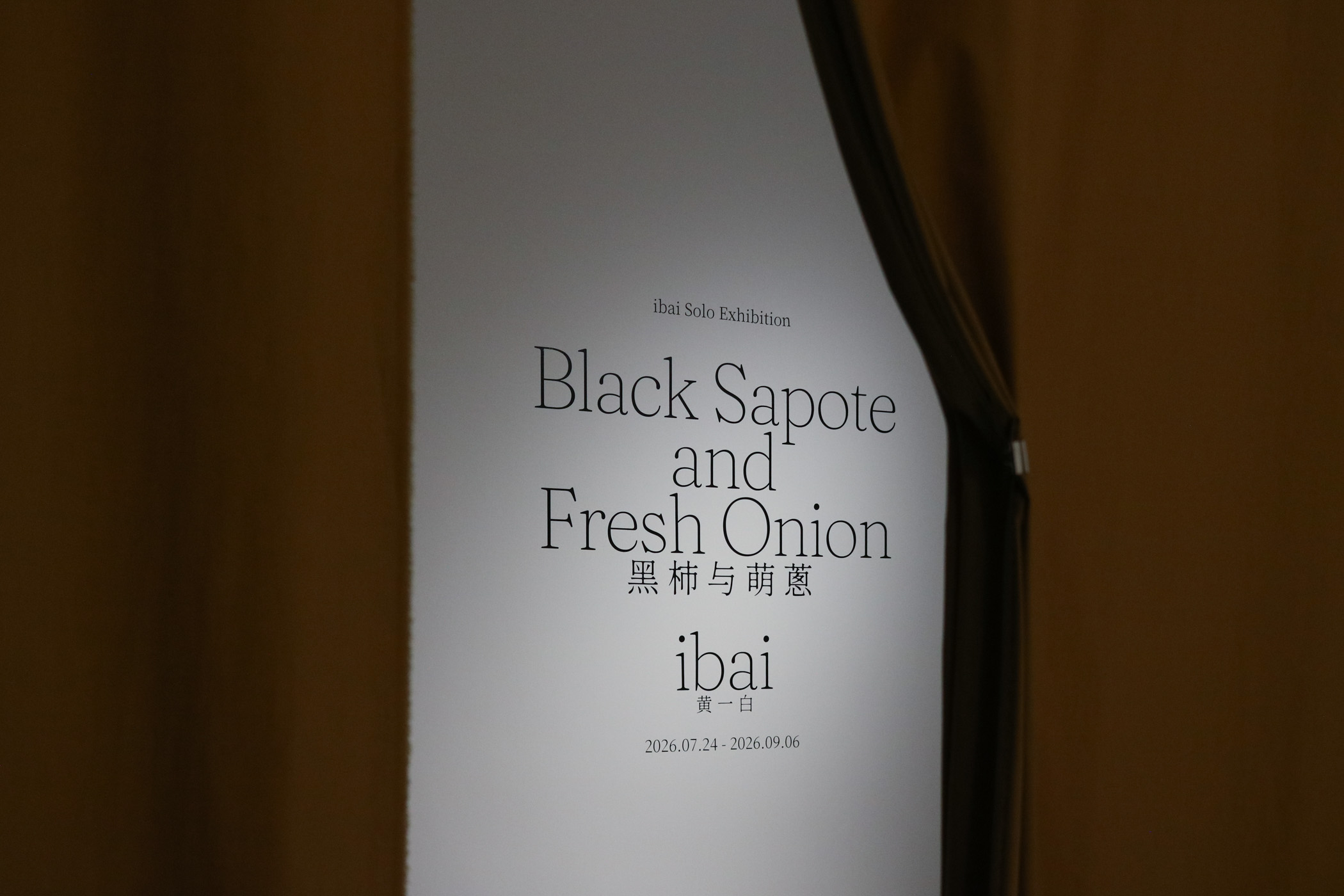
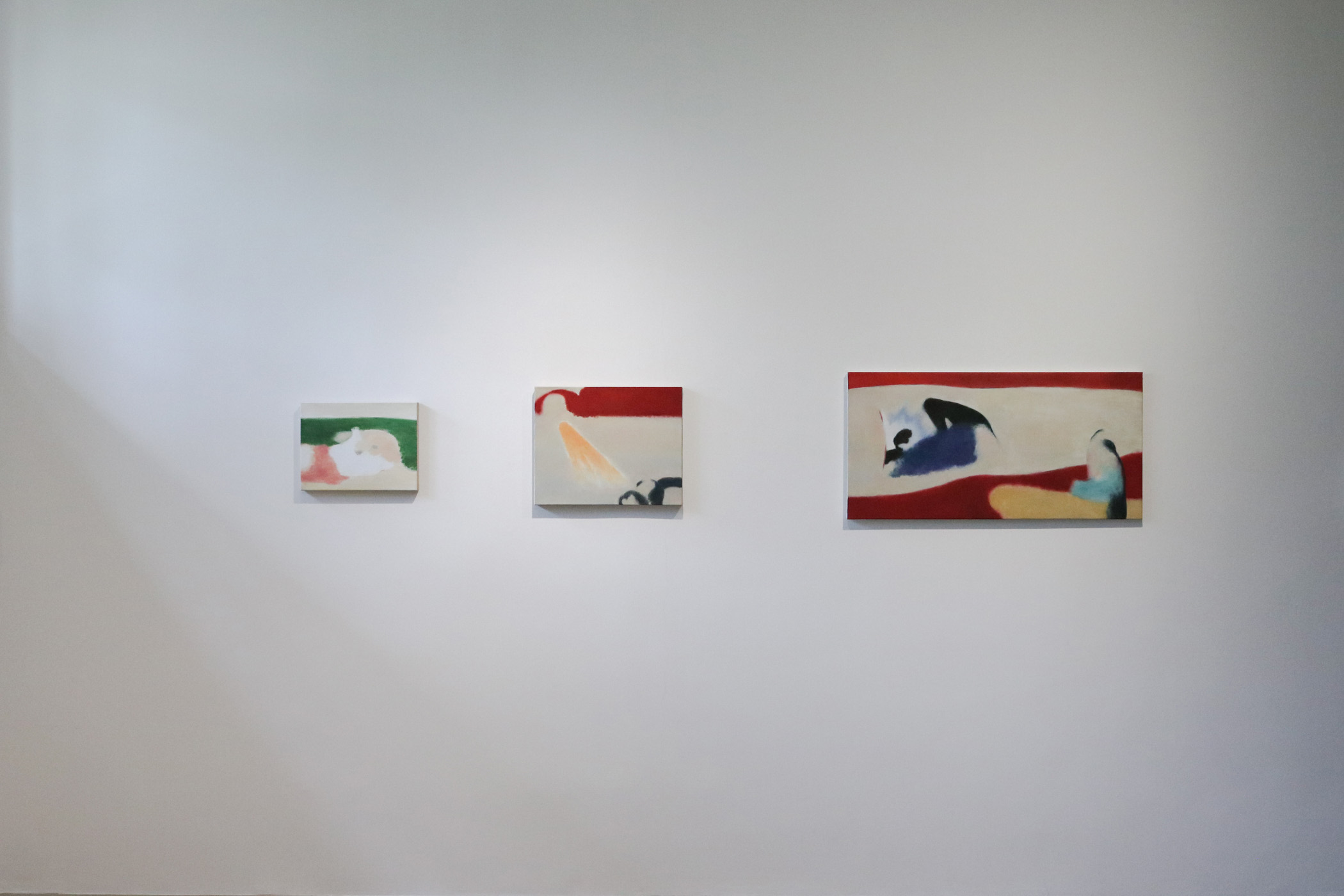
Black Sapote and Fresh Onion
Modernity arrived in the name of liberation, yet wove within the pan-Asian coming-of-age experience a far more intricate web of discipline — prohibition, kitsch, standardization — pressing the individual into a uniform mold, while those who spilled beyond its edges were marked as shameful, improper, out of place. Against this backdrop, the “Minimization” that defines this generation of young artists signals a kind of lucid collective awareness: no longer attempting to confront the entire system through grand narratives, they have instead learned to locate themselves within its porous gaps.
Born in 2005, ibai regards himself as a provisional extension of “art history” — another valence of the “contemporary”: temporary, substitutive, mediating, supplementary. His creative evolution offers a representative case: entering painting through kitsch, then dismantling kitsch with his own hands. This is, in many ways, the spiritual Exodus of his generation — a departure from the formulaic strangeness, sweetness, and scripted modes that social media performs — and what follows the crossing of “discipline” is not an arrival at the promised land, but a further retreat into another long and unfamiliar process of self-recognition.
ibai has said: as long as you persist in doubting the image, a “true” image will never generously offer the chance to be approached.
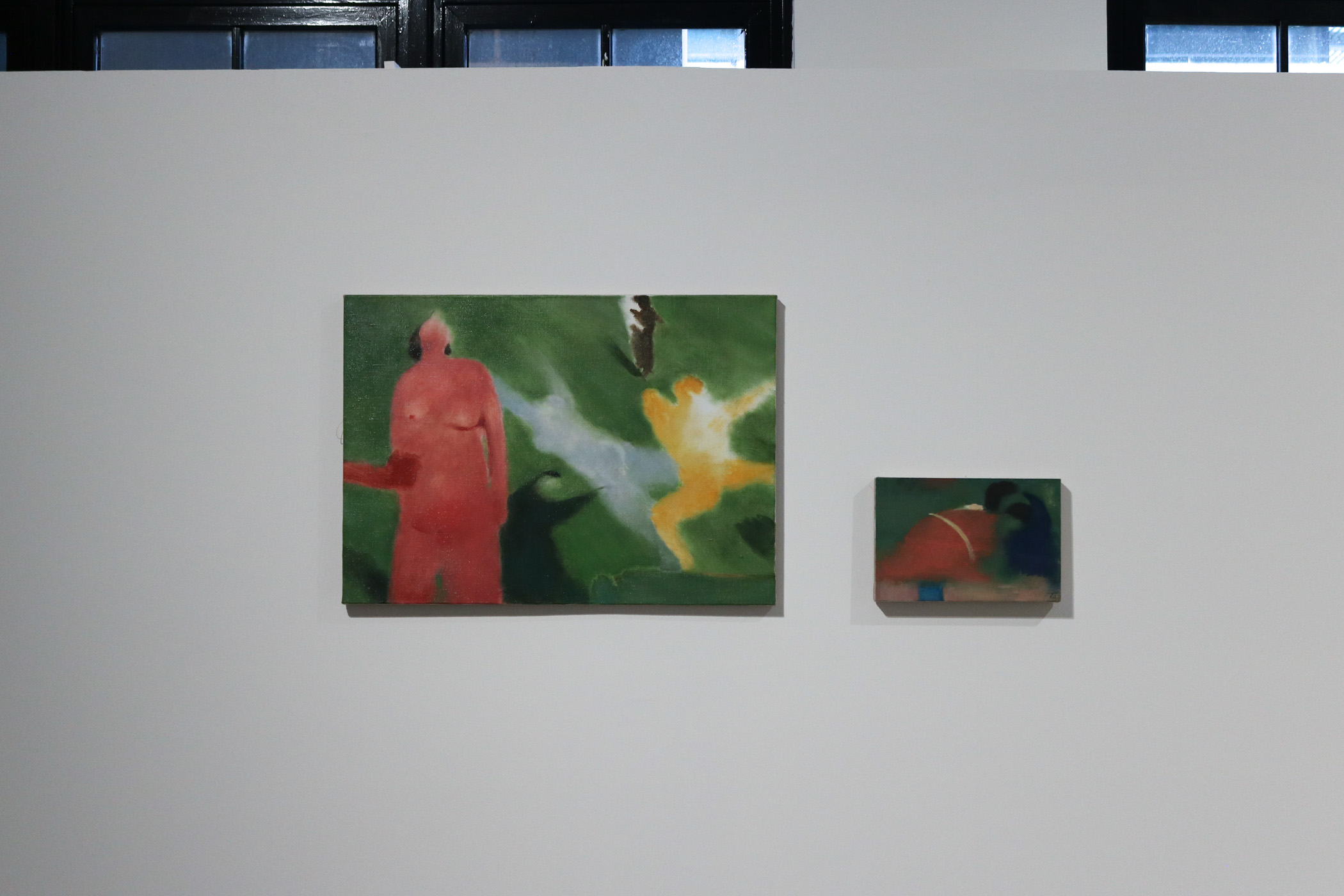
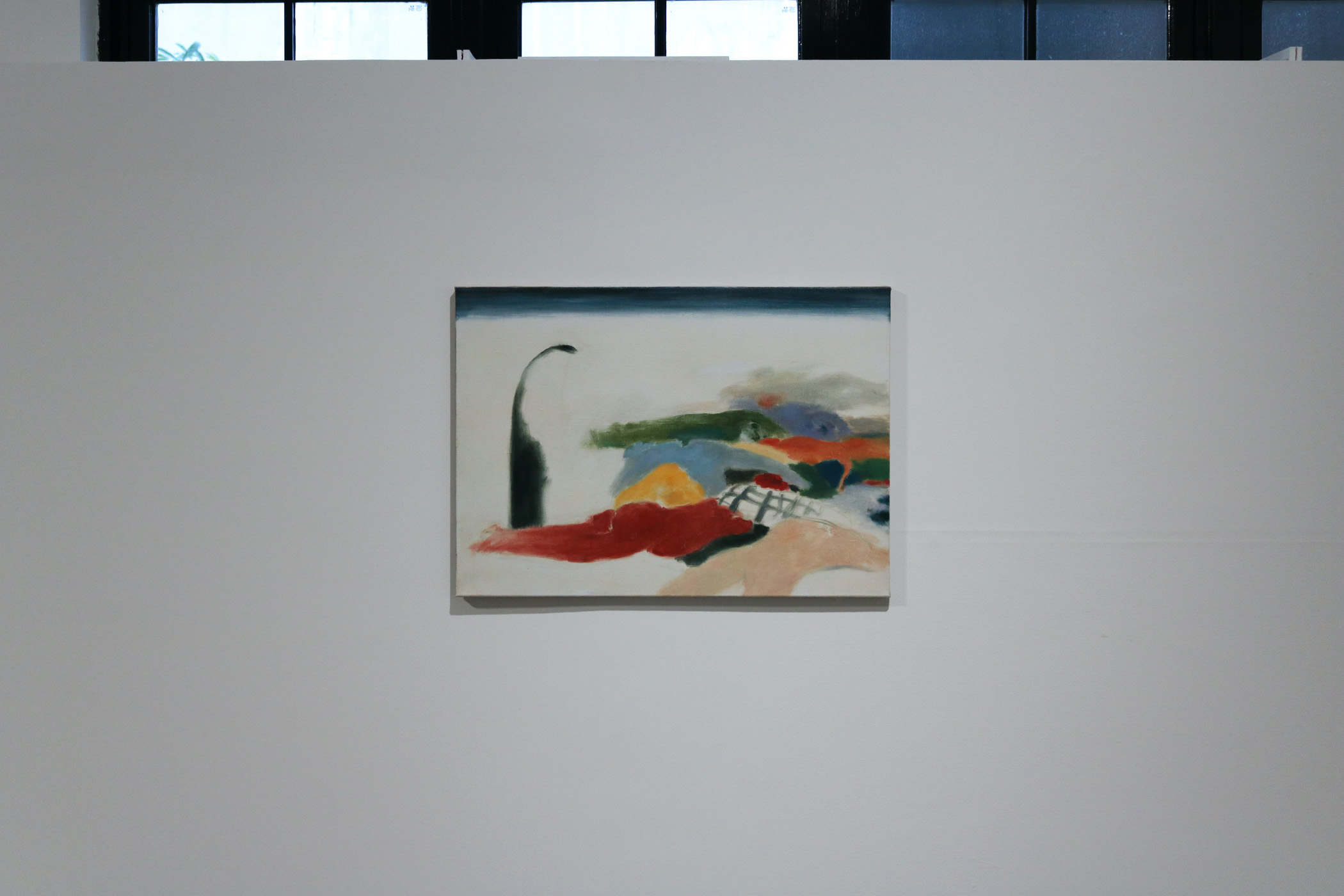
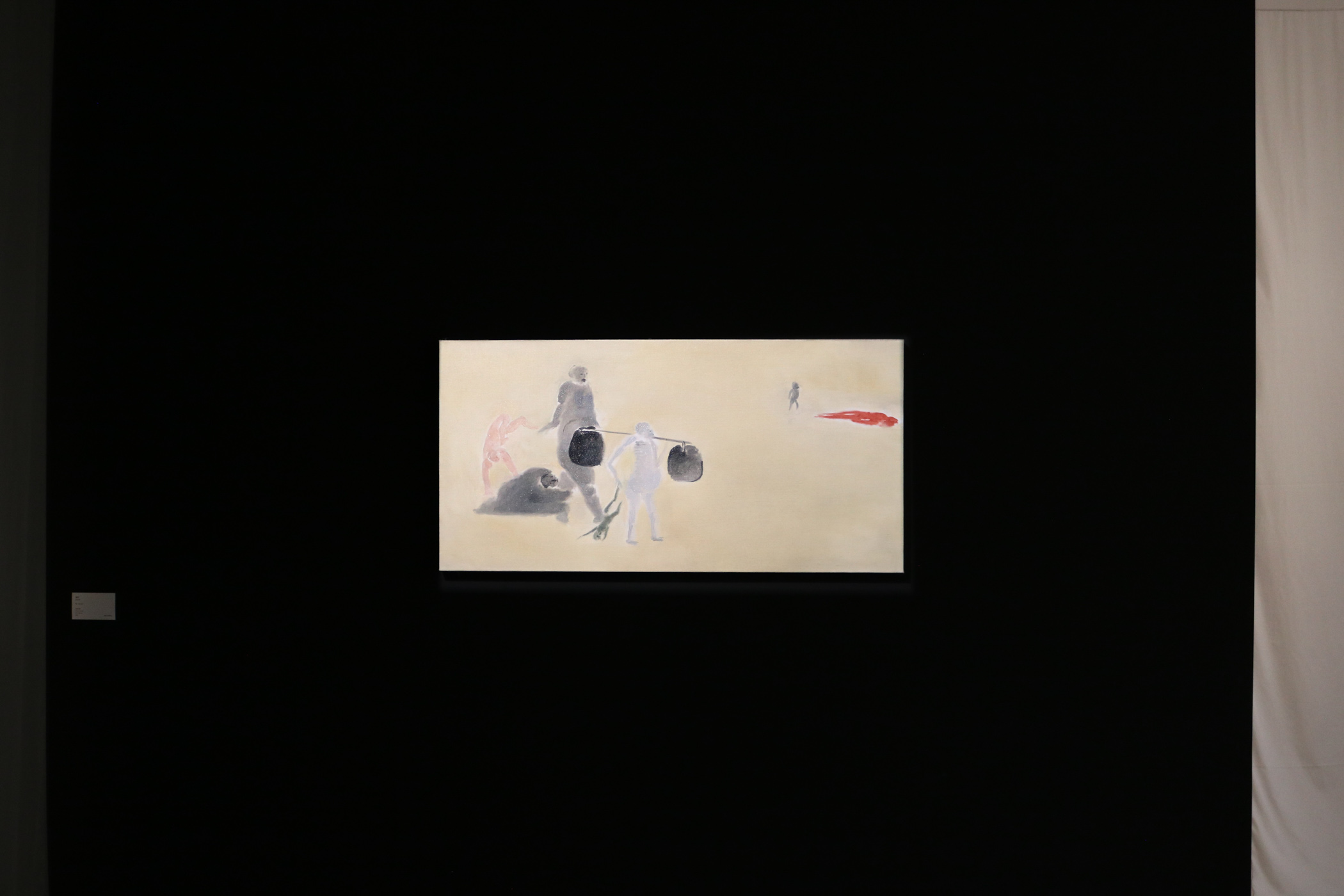
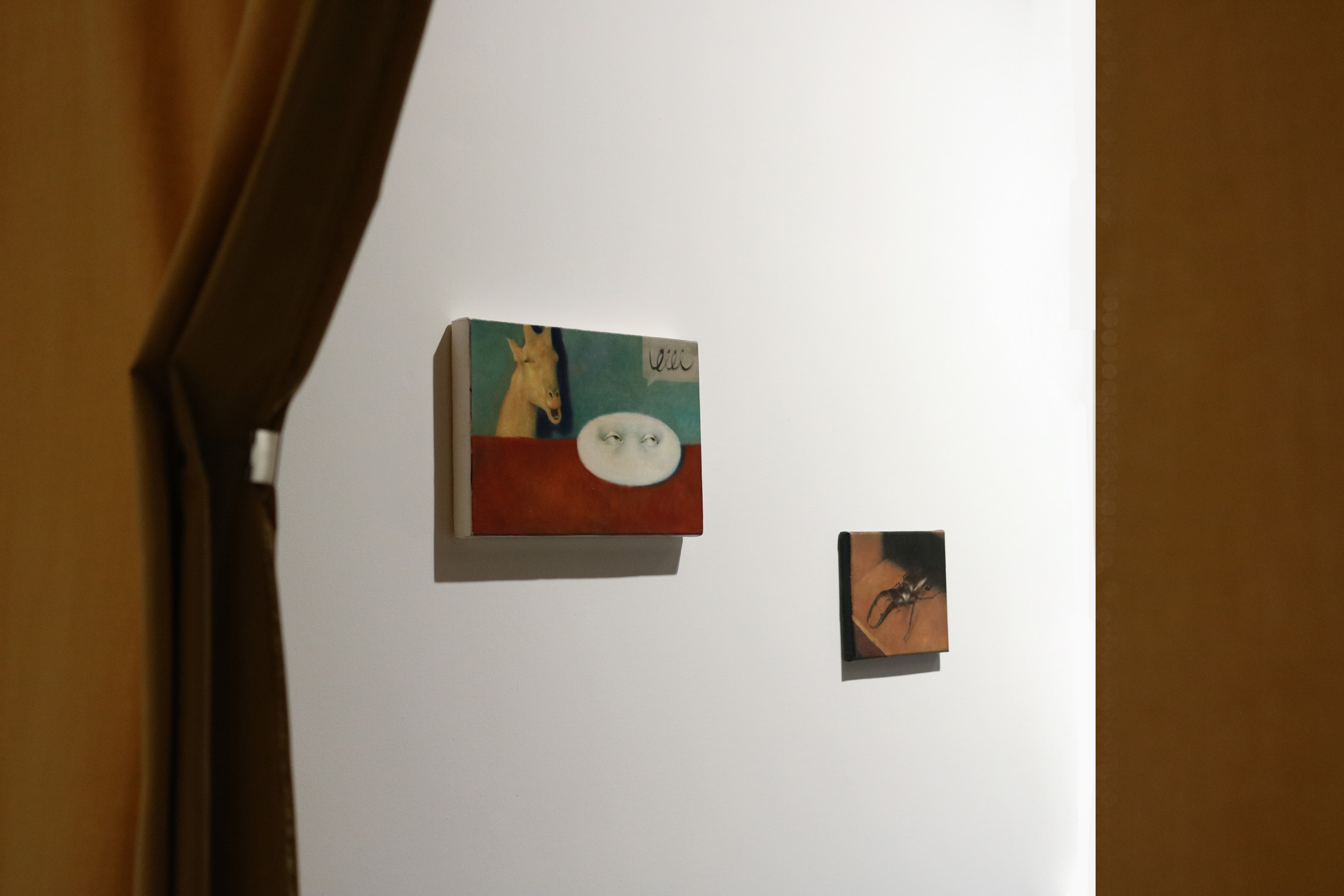
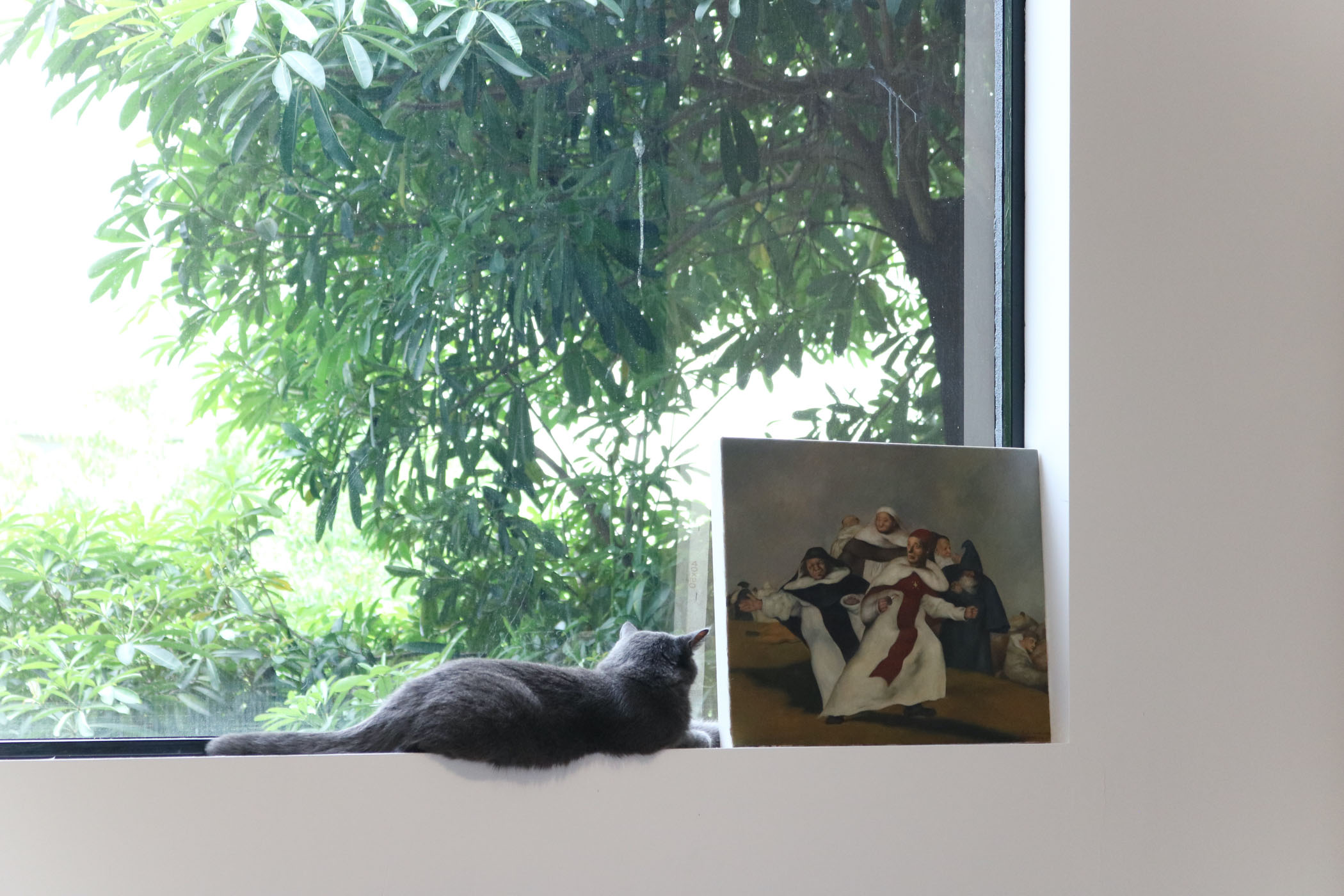
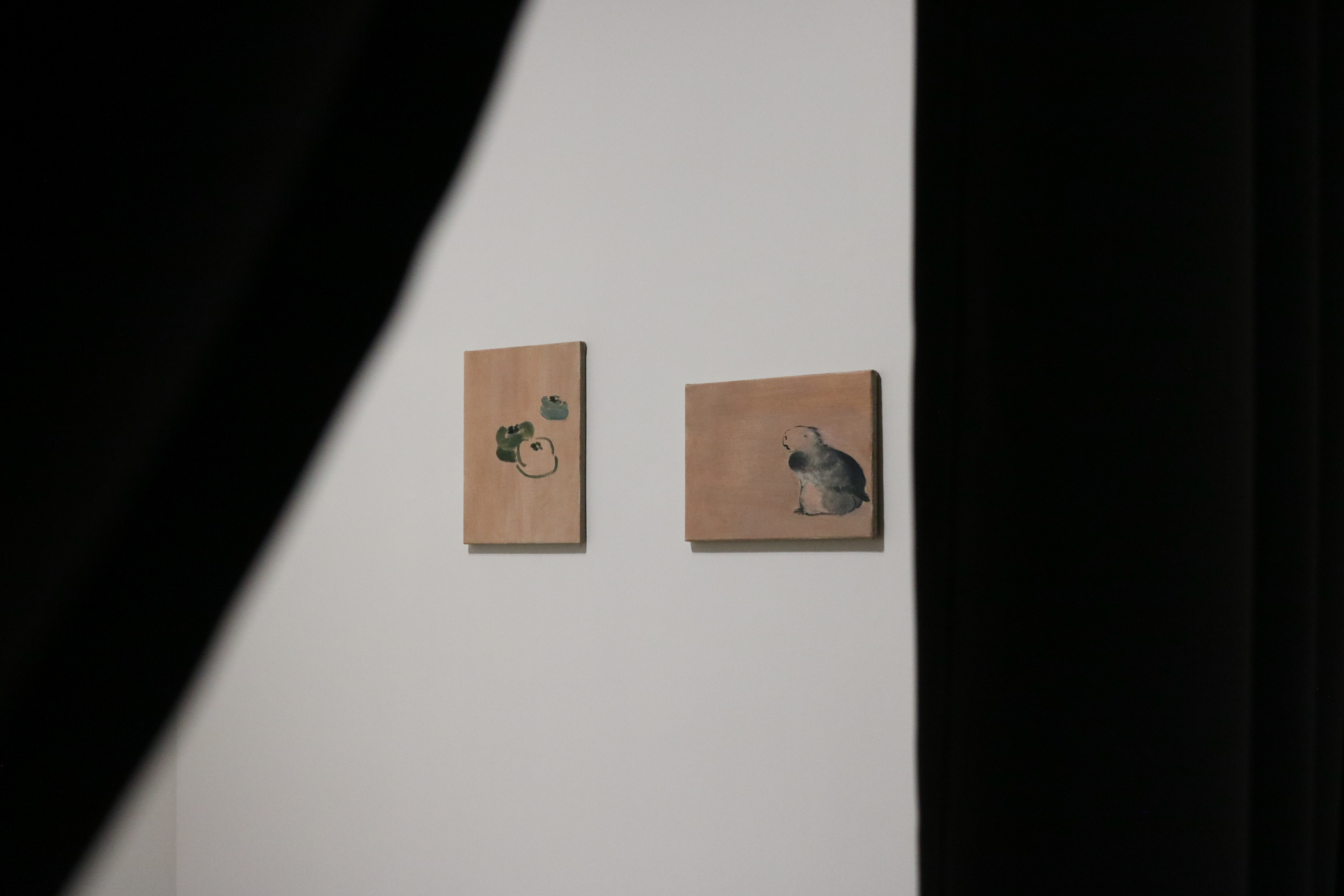
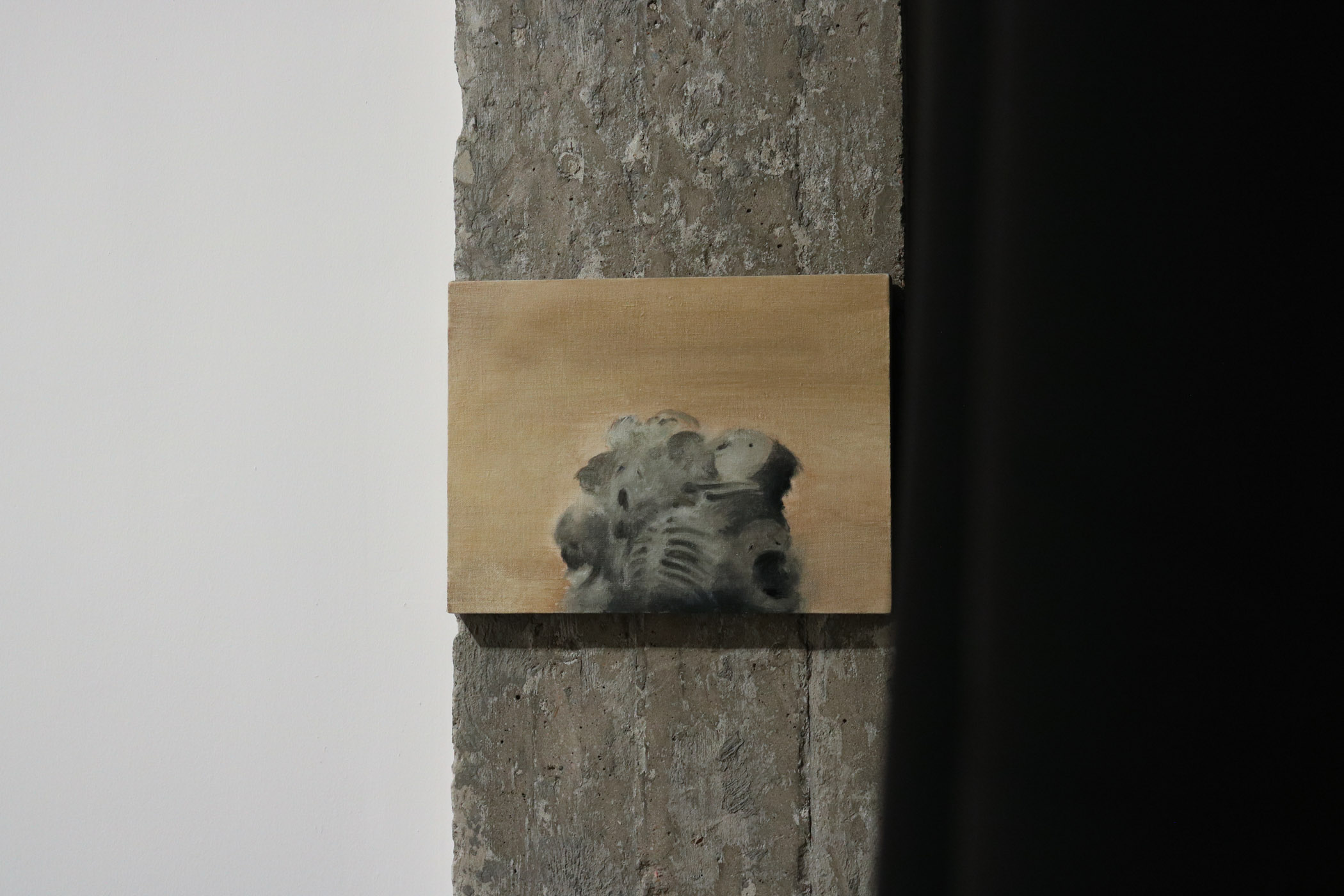
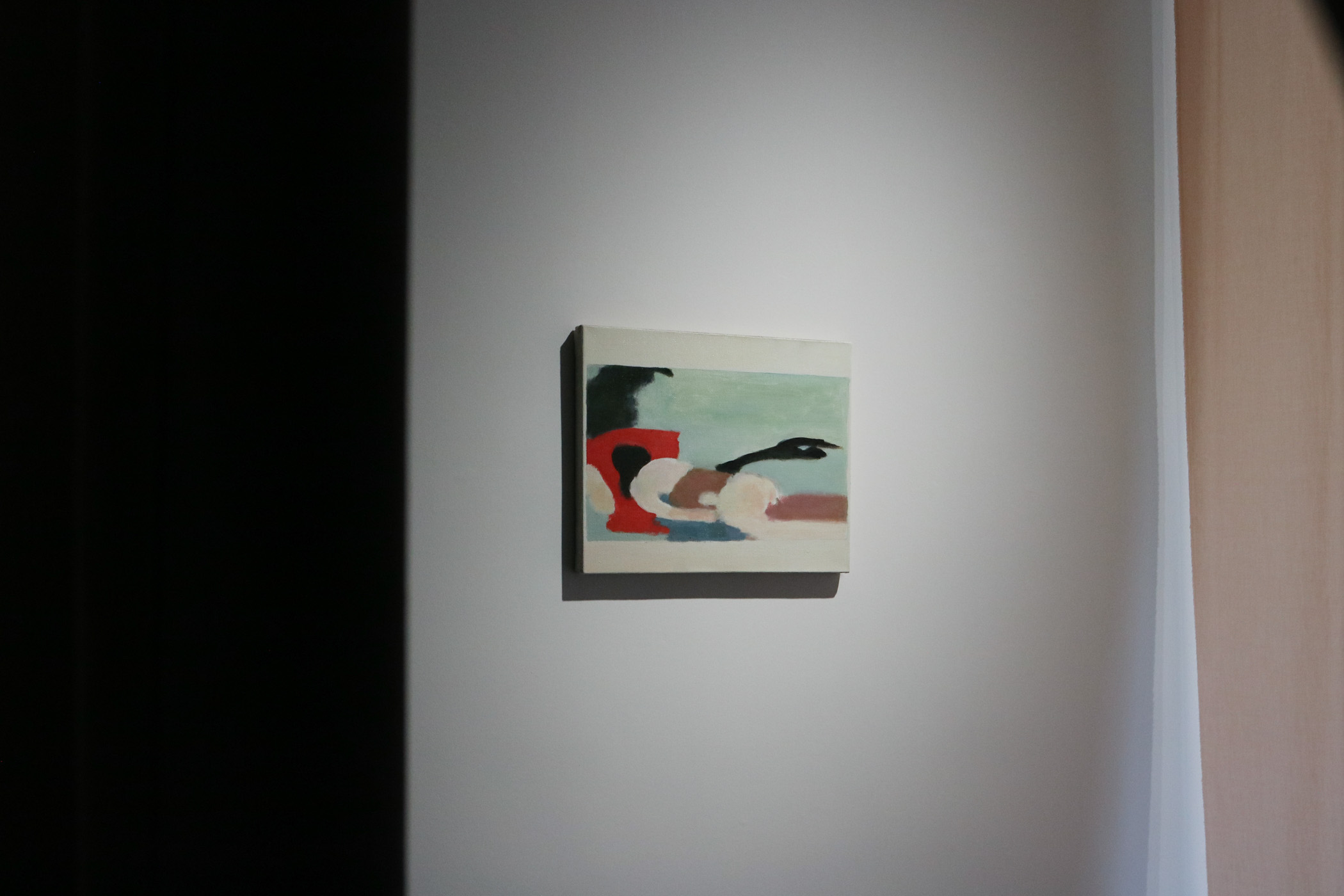
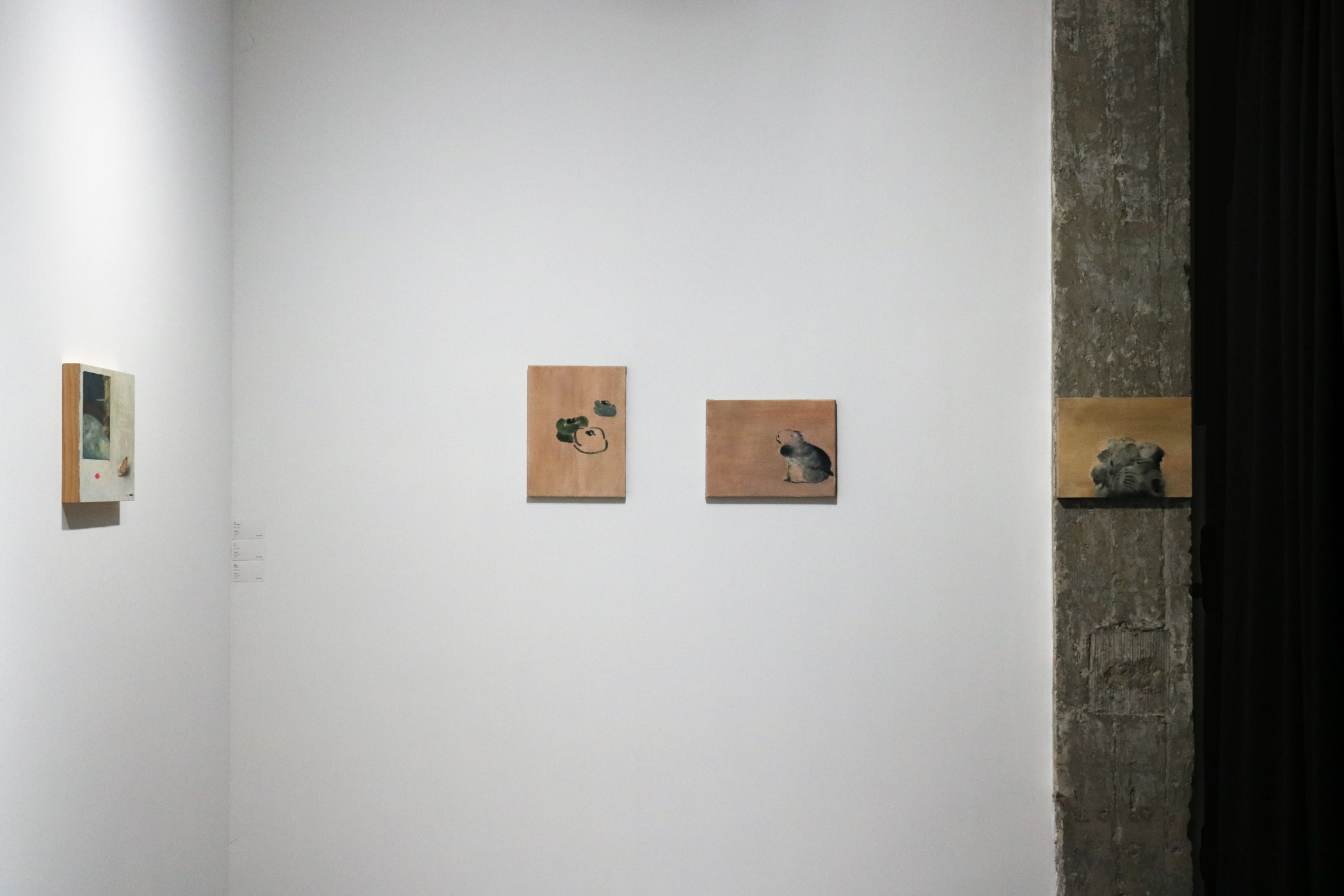
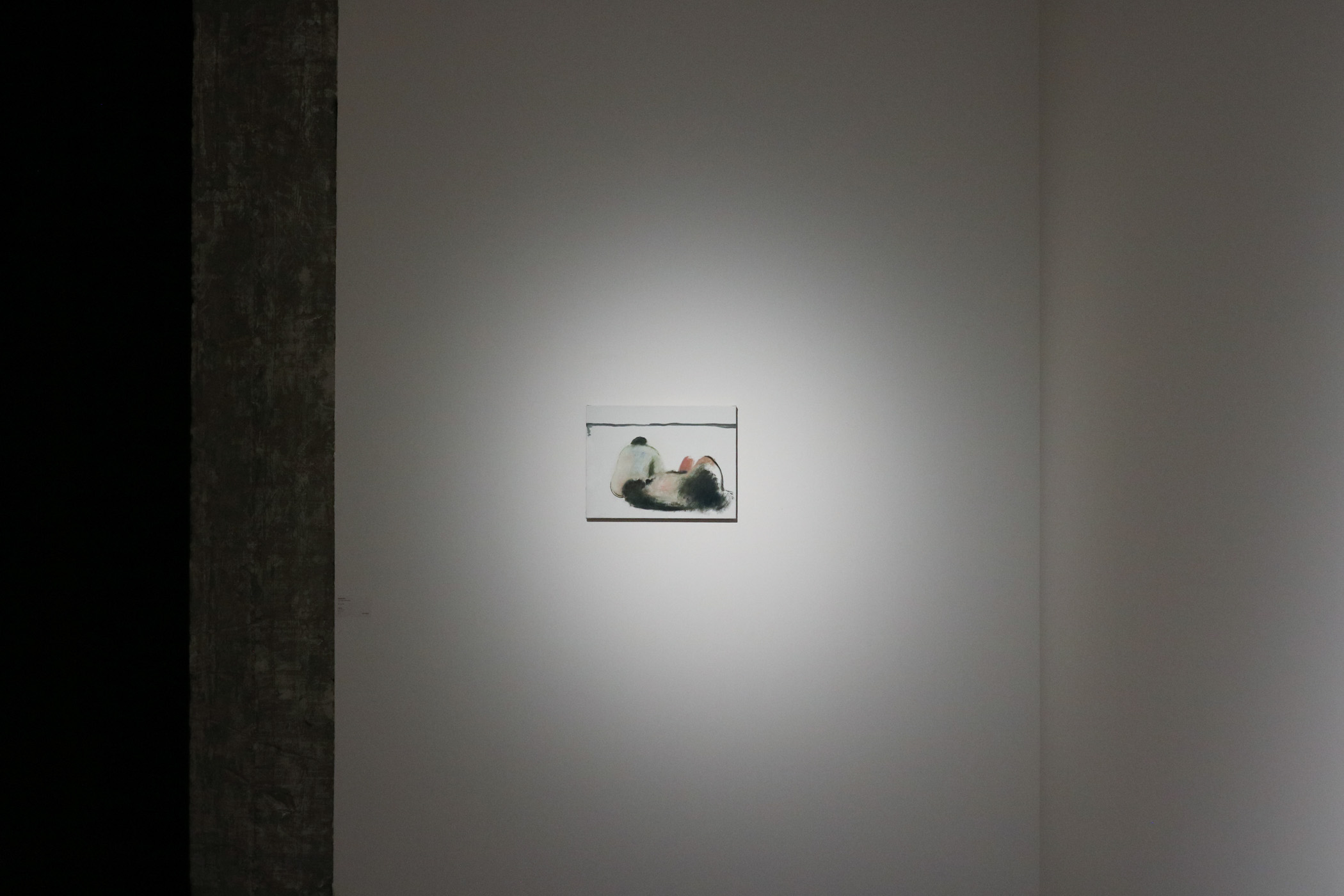
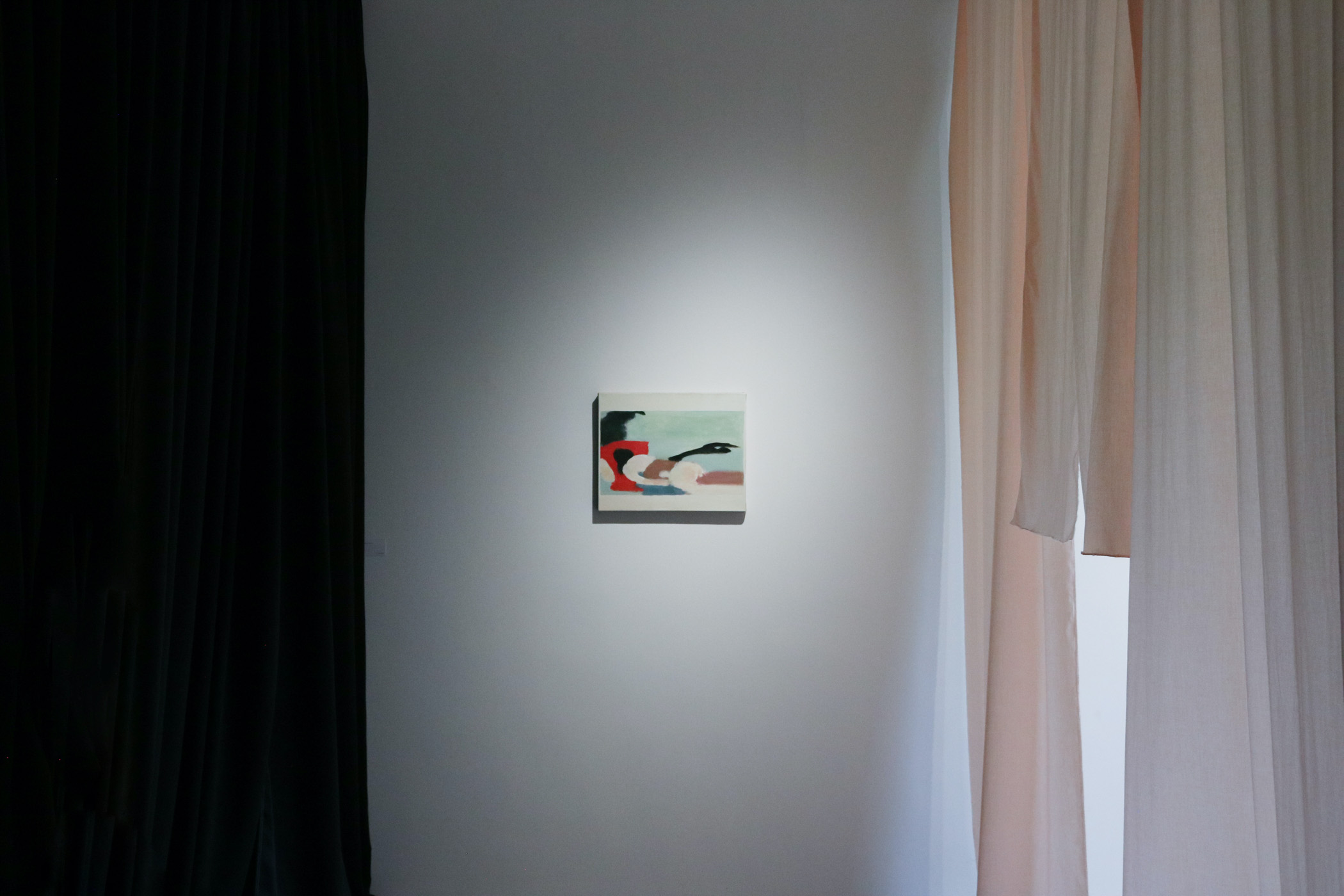
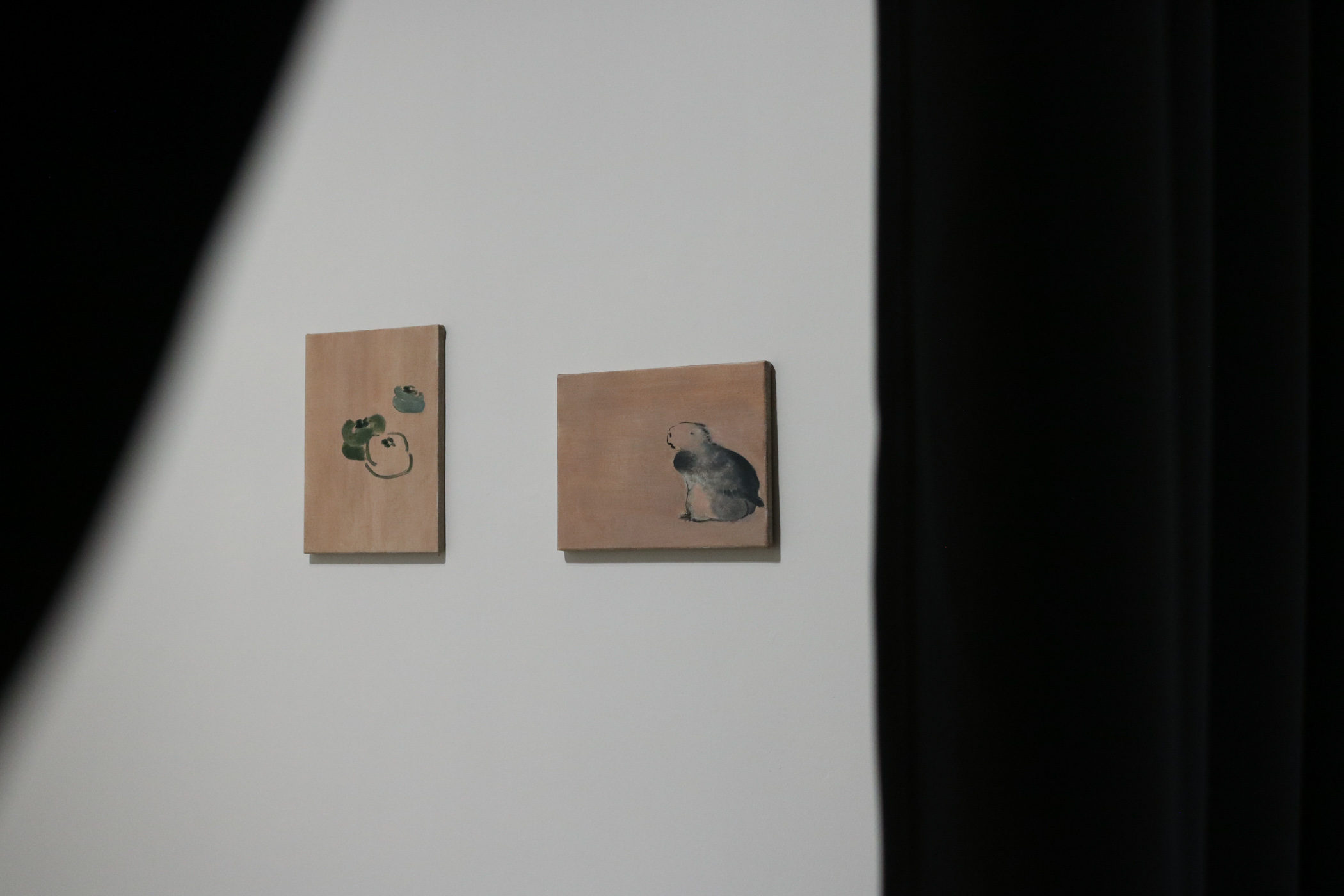
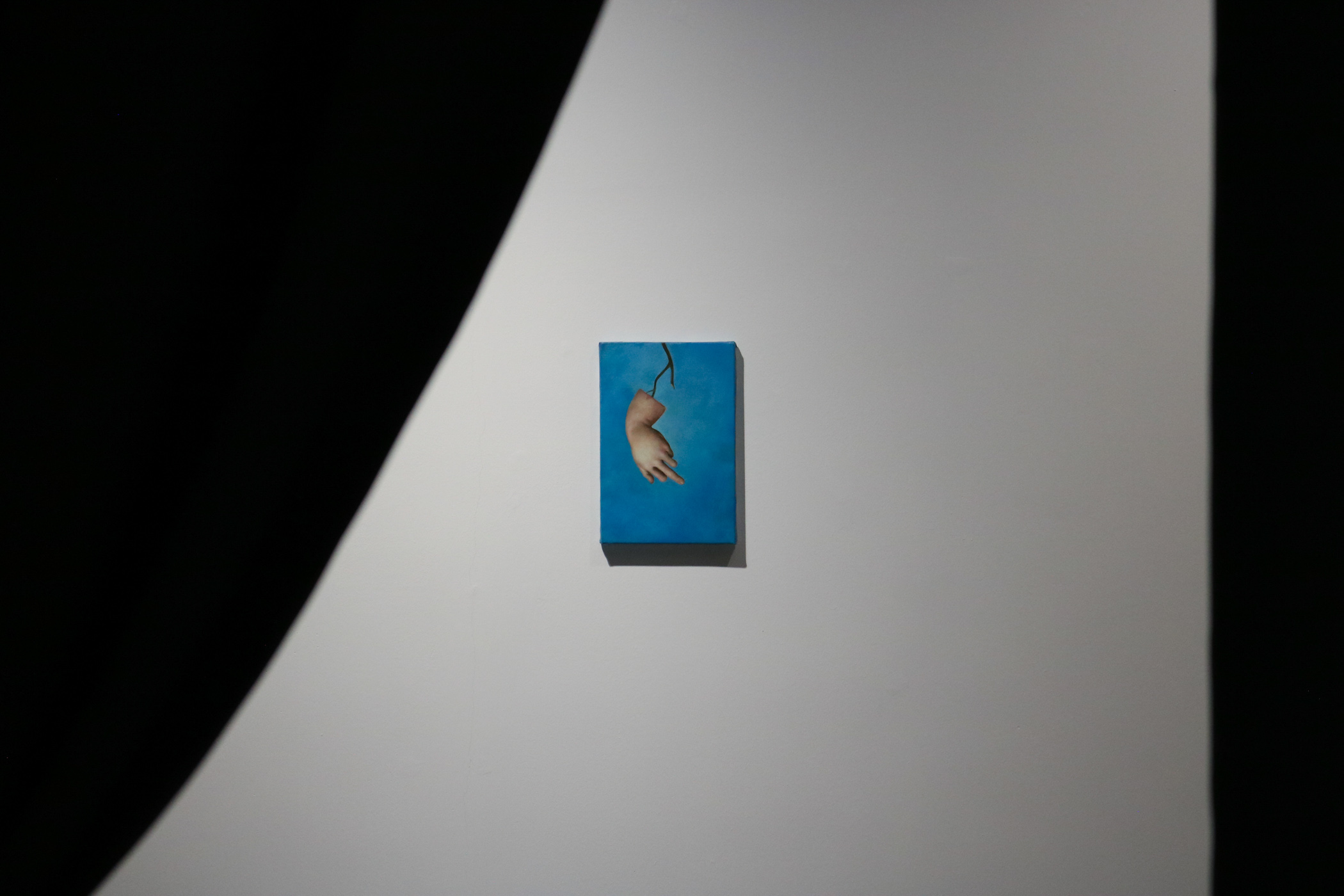
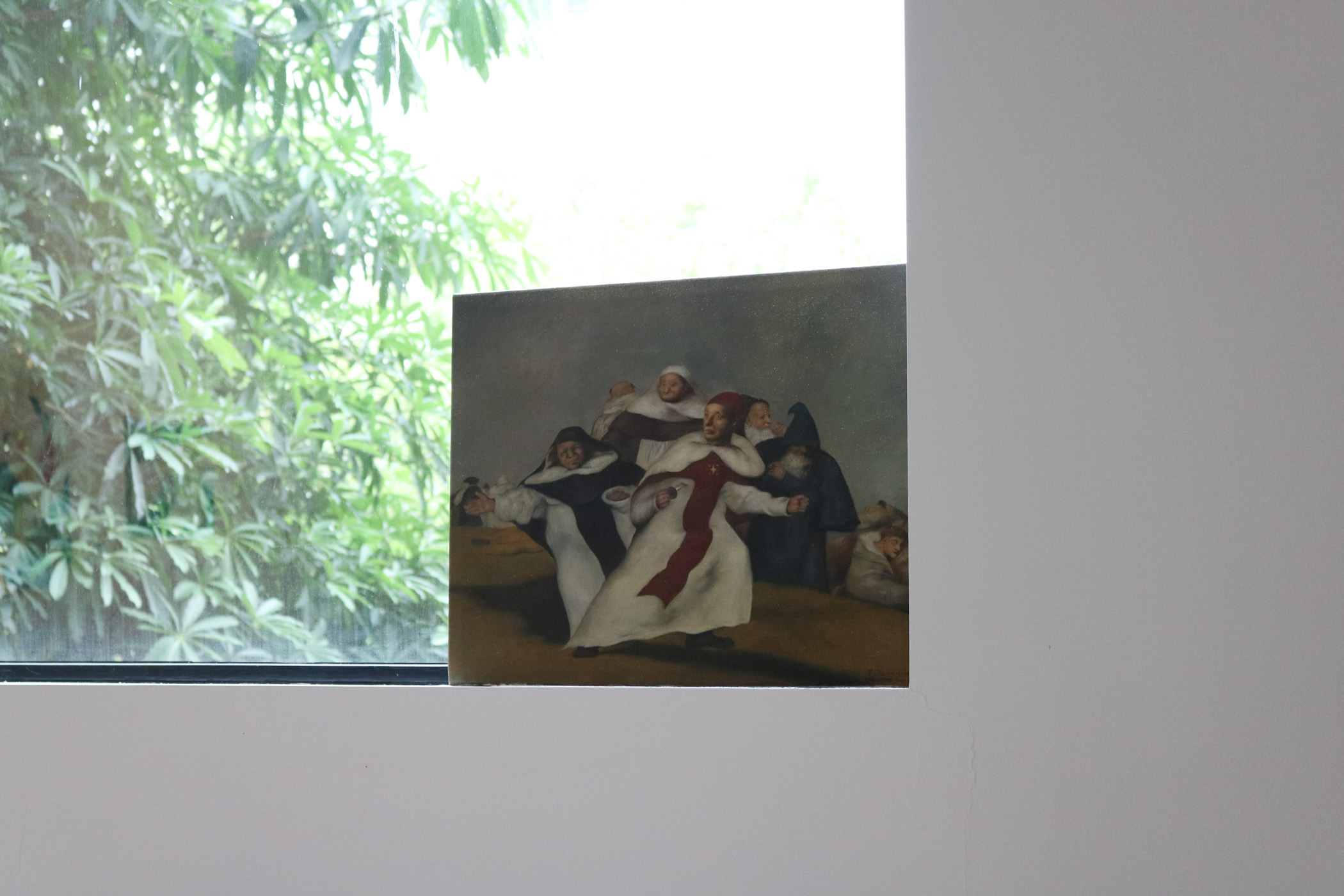
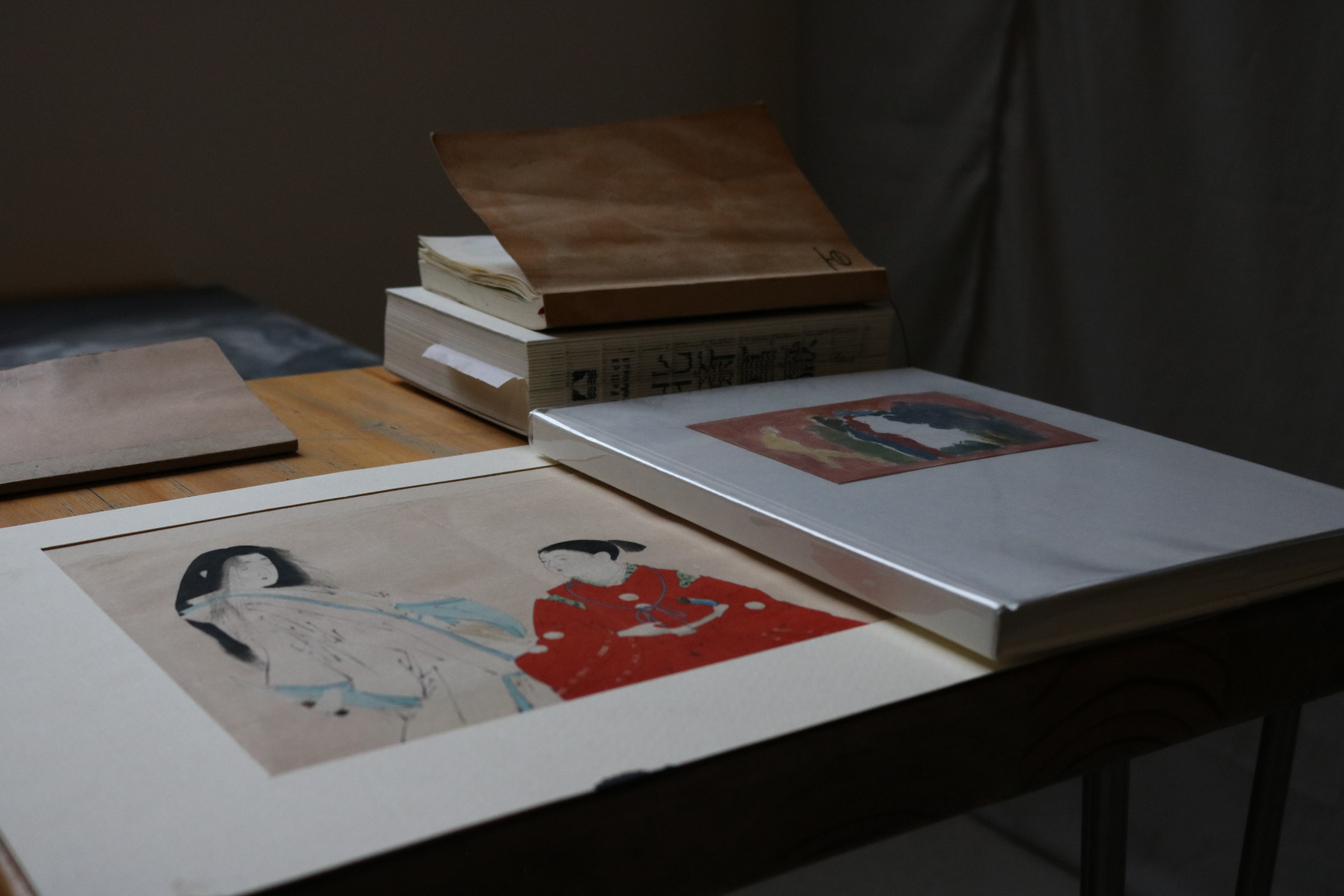
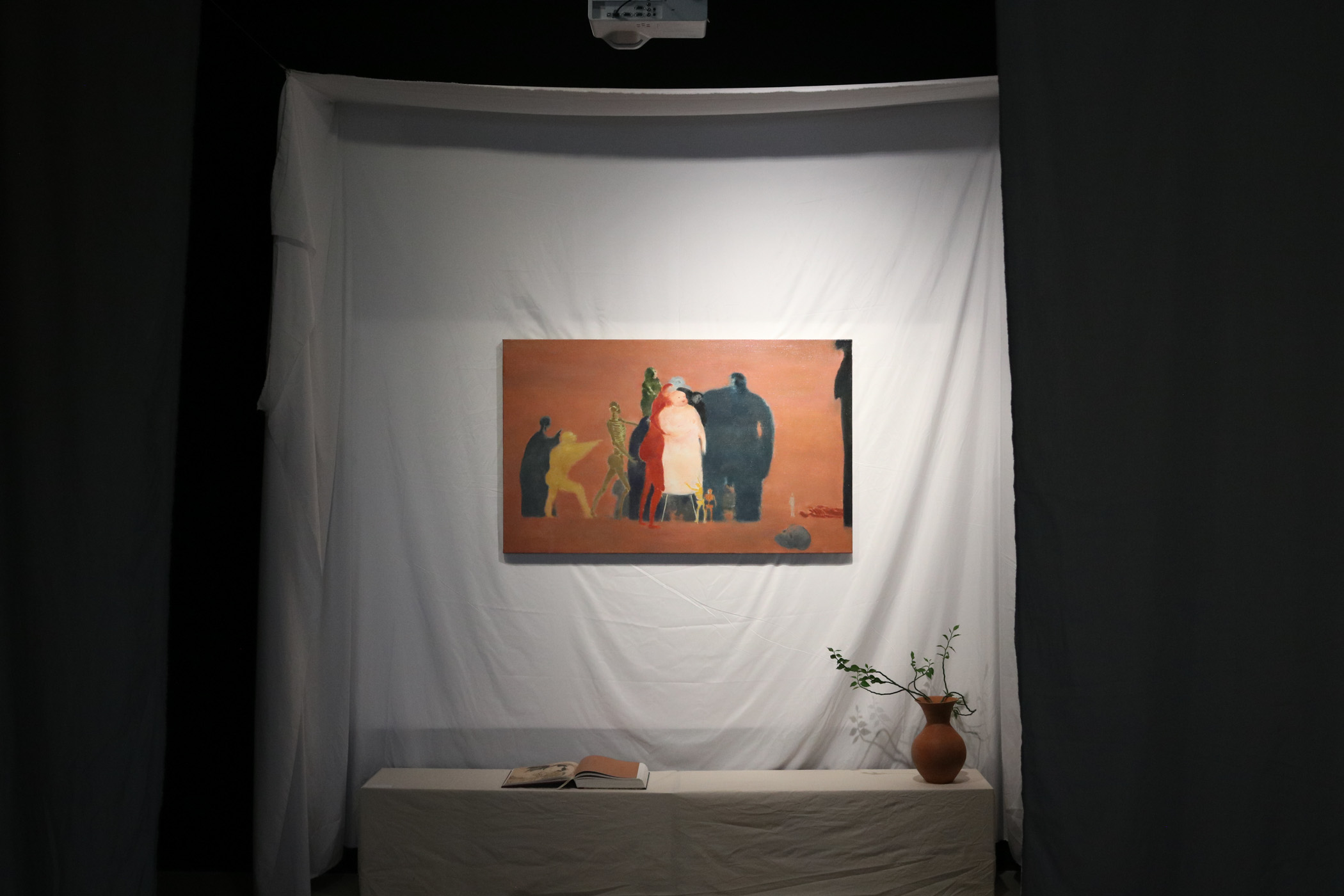
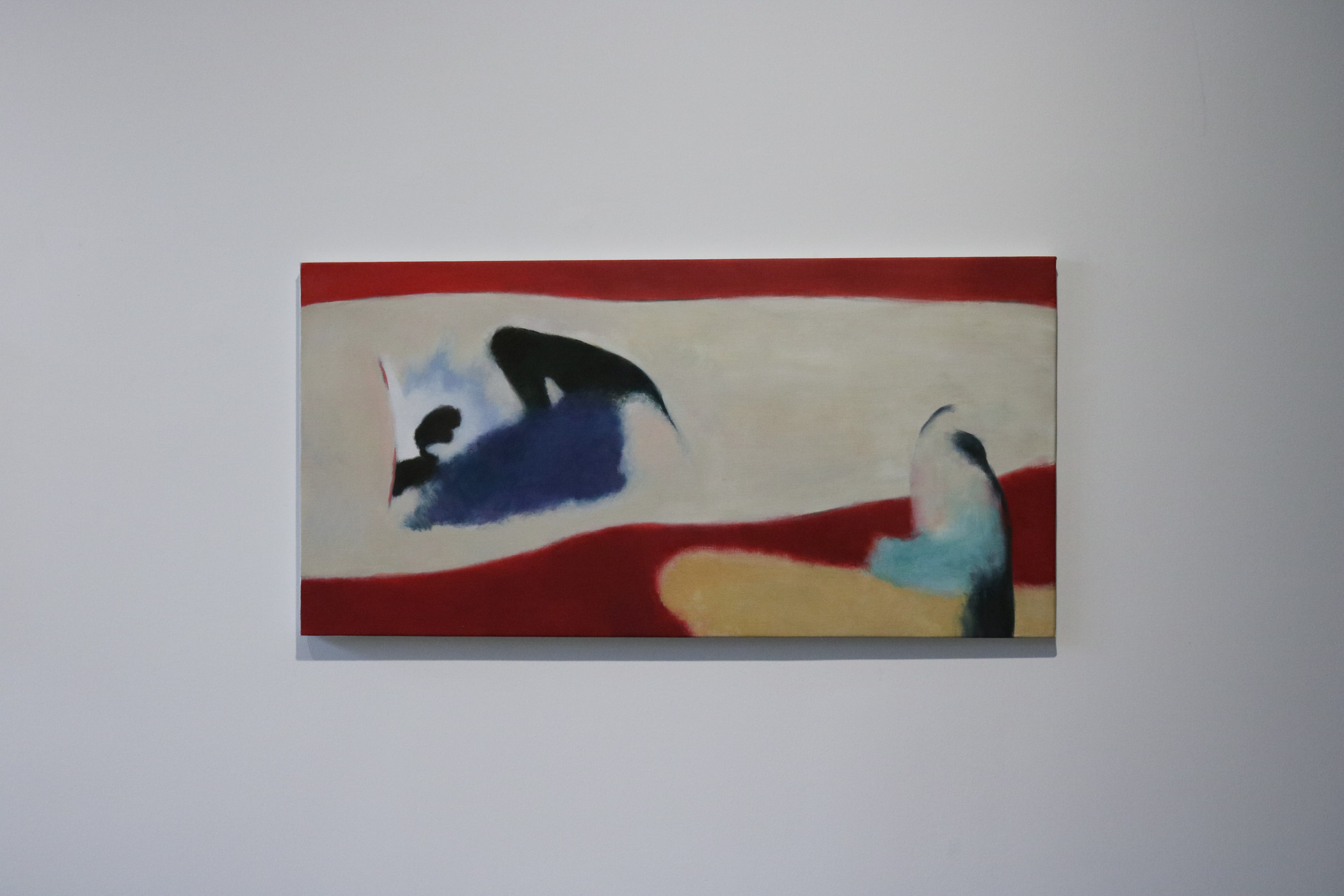
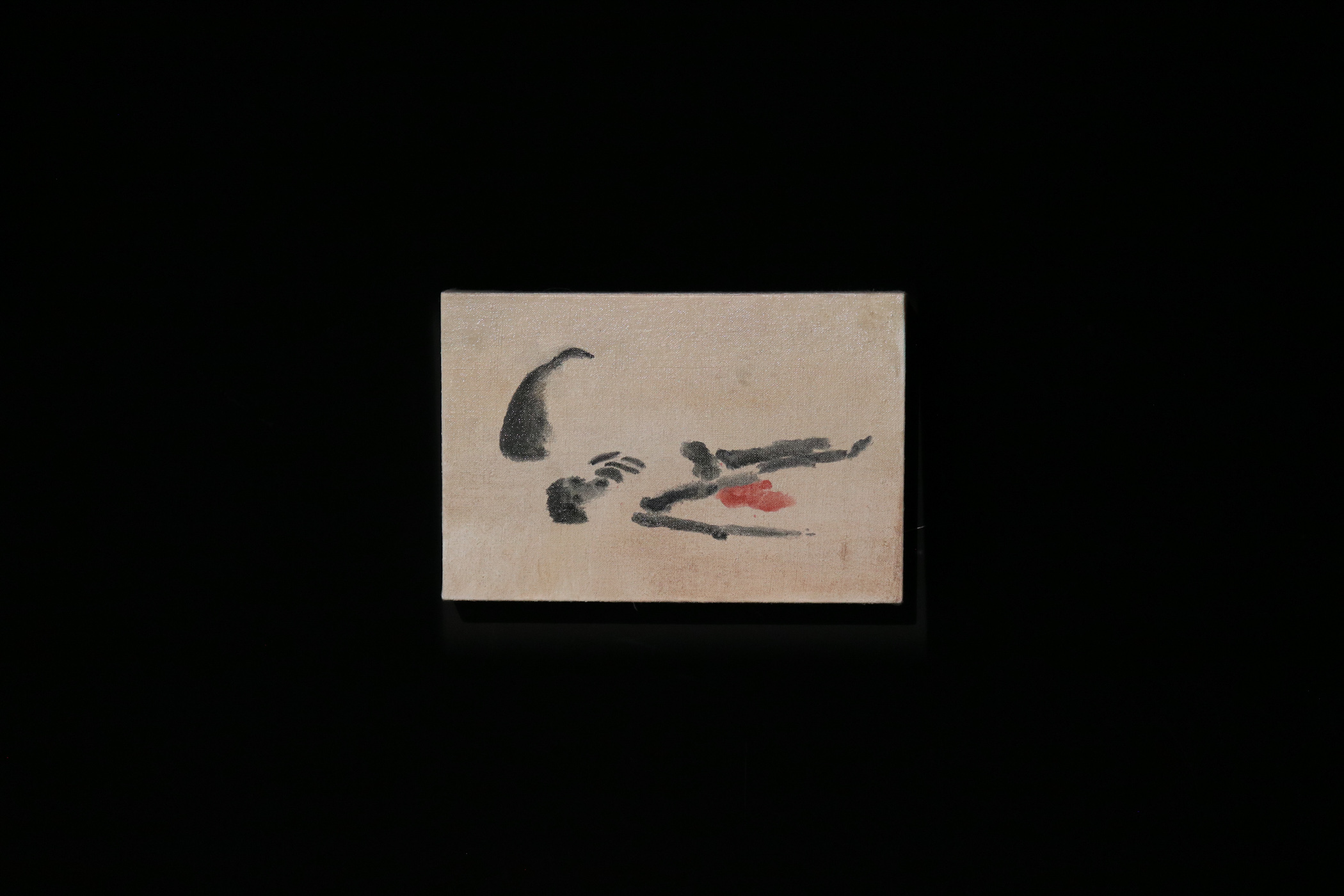
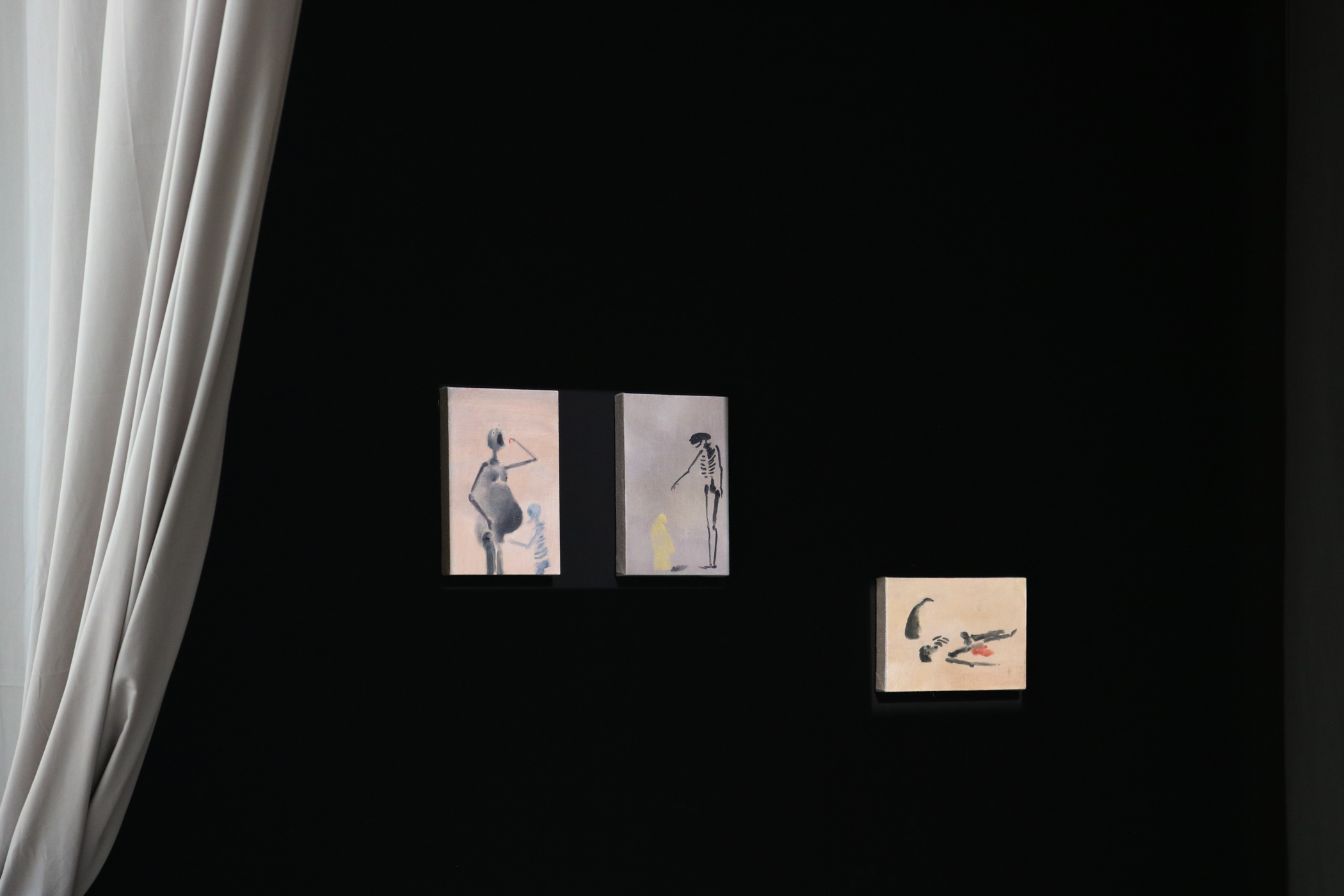
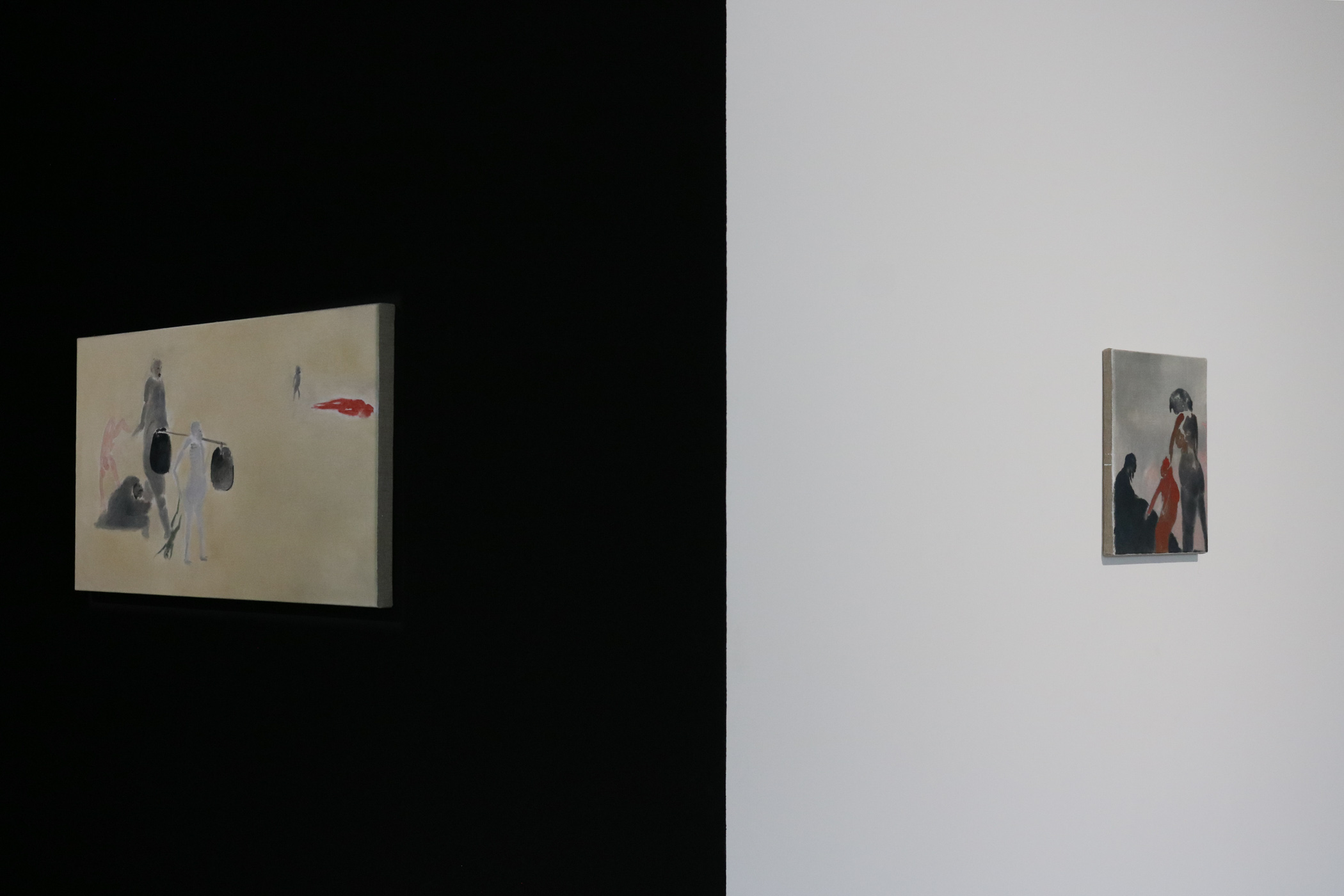
Secrecy is, evidently, one of the core forces driving ibai’s painting. Having undergone a disenchantment with the art education system during his earlier years at the high school affiliated with the China Academy of Art, ibai turned instead toward allowing painting itself to retain an independence not yet — and perhaps never — penetrable by language, as opposed to expression that is legible, safe, and pre-named. Compared to the candor and restraint of court painting, or the flatness and decoration of ukiyo-e, the colors and motifs in his work are deconstructed, then reconstructed. He has spoken openly about his relationship to Goya as being “like scaffolding to a building” — scaffolding is a temporary medium, yet it is what allows a certain spirit and certain works to persist.
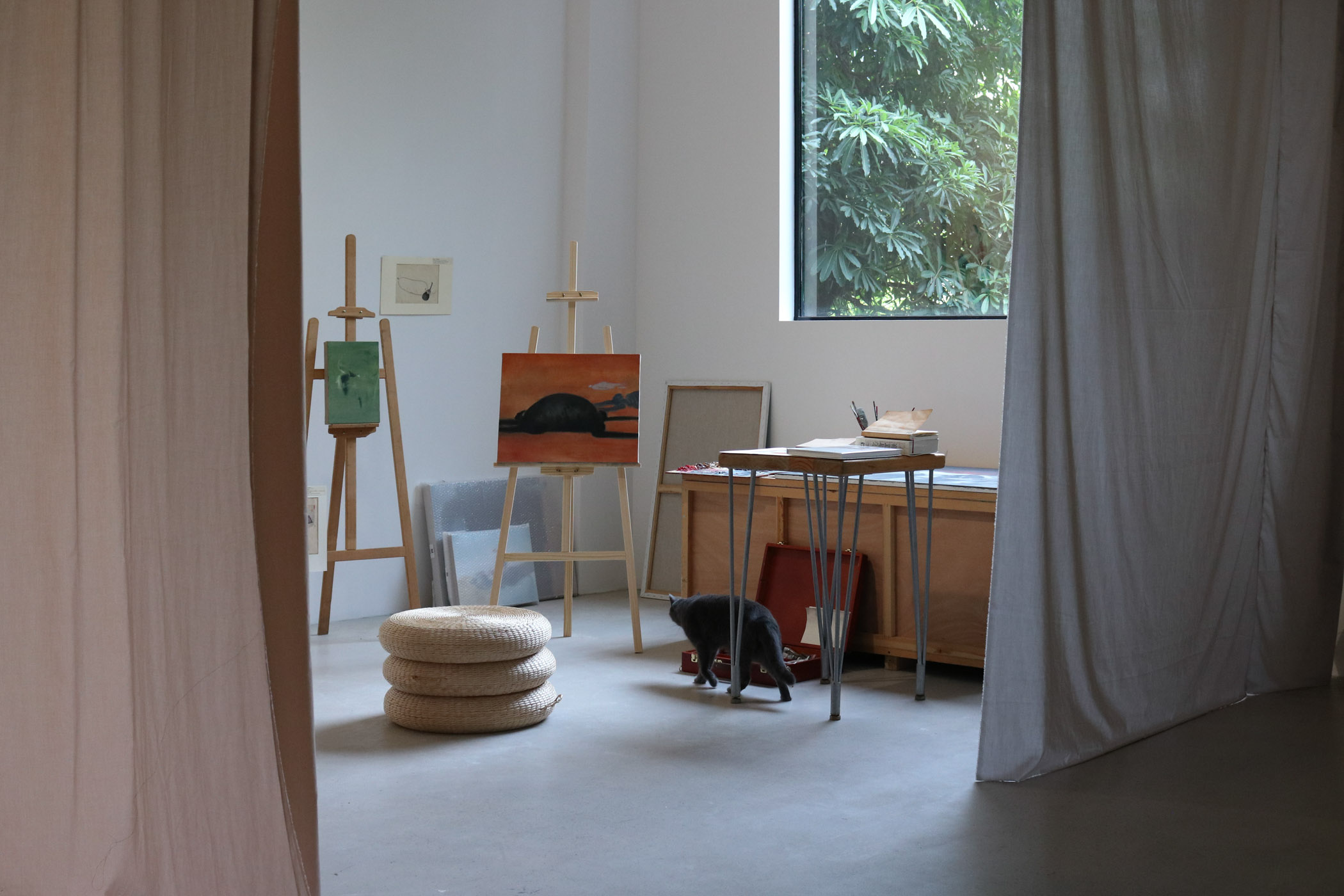
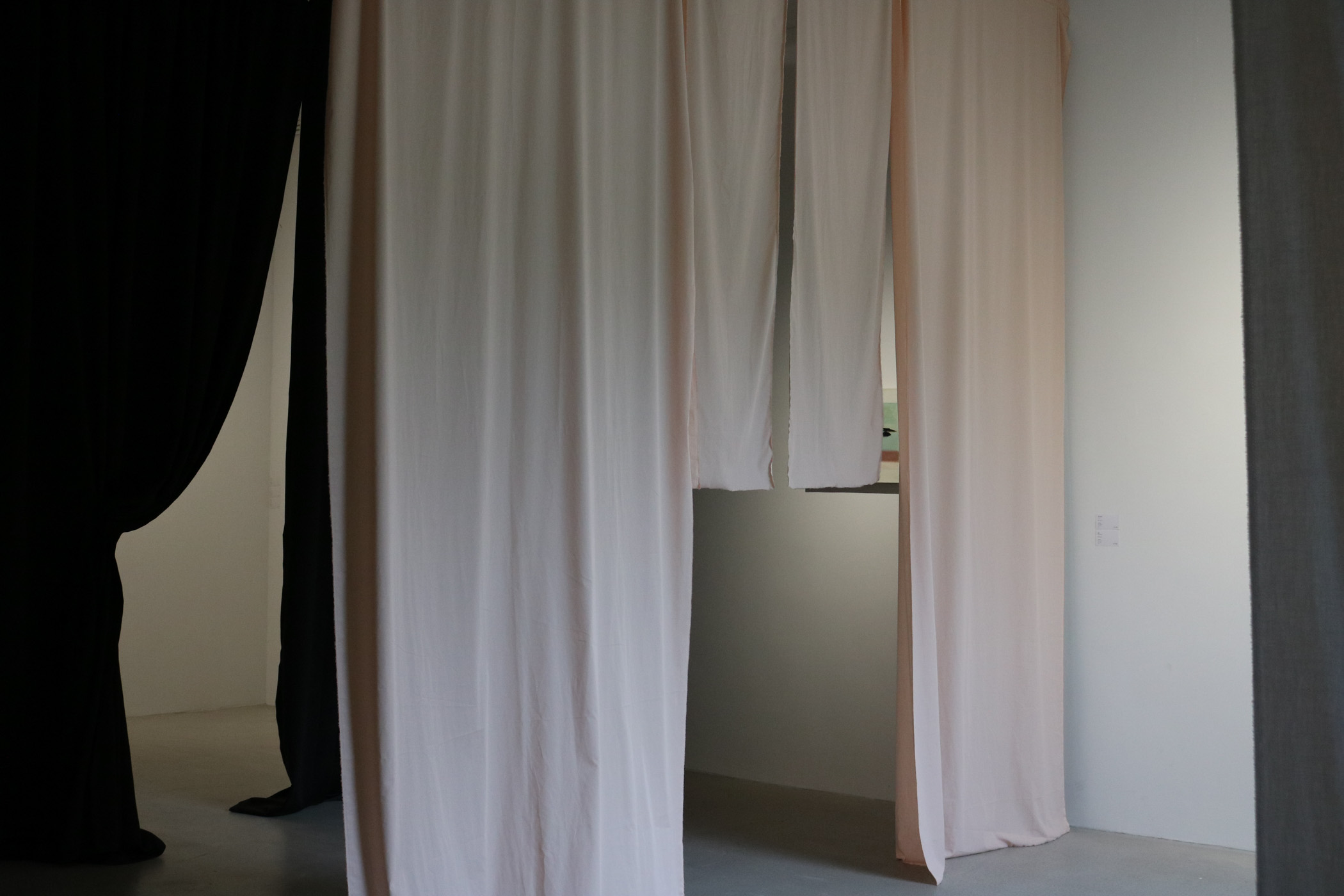
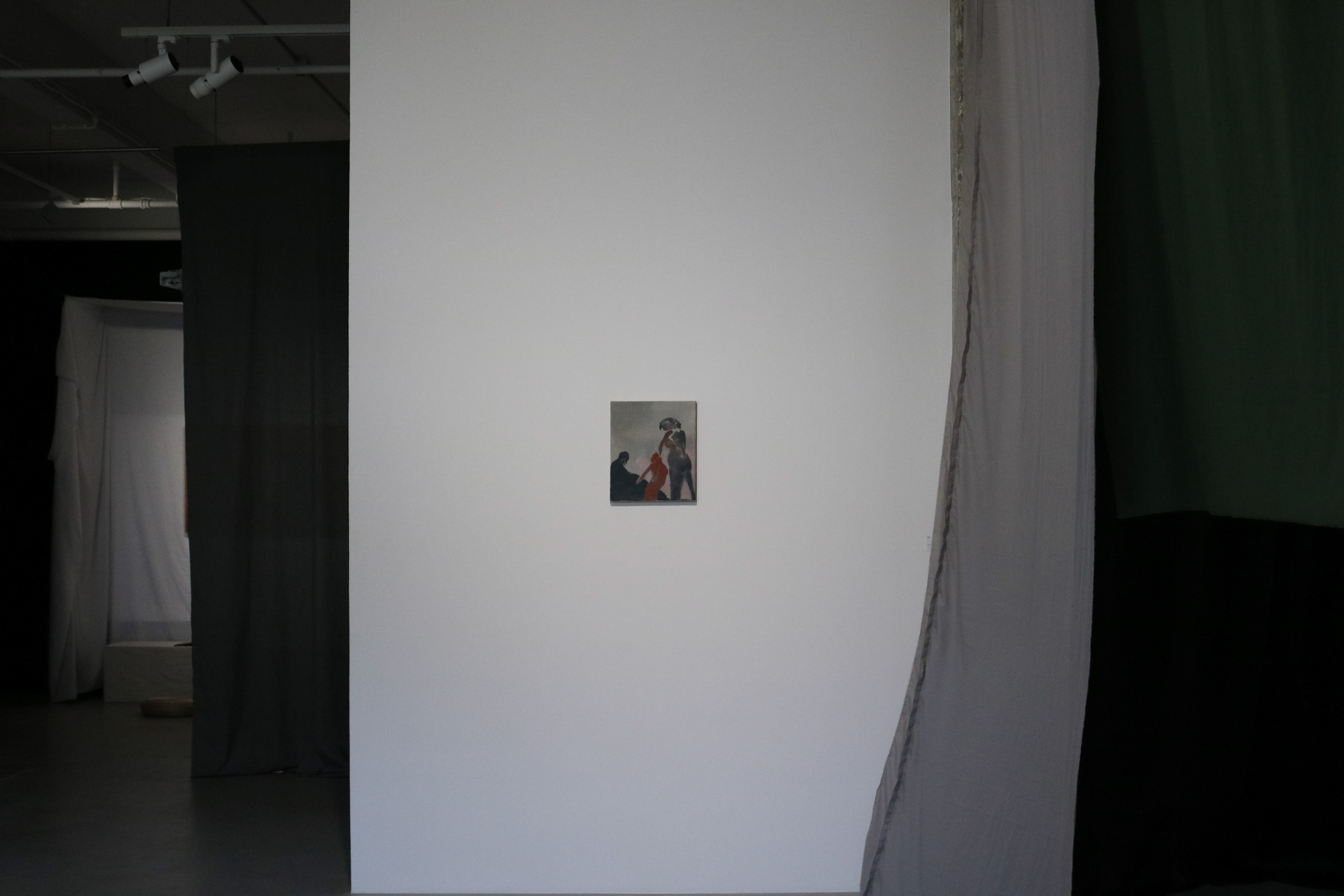
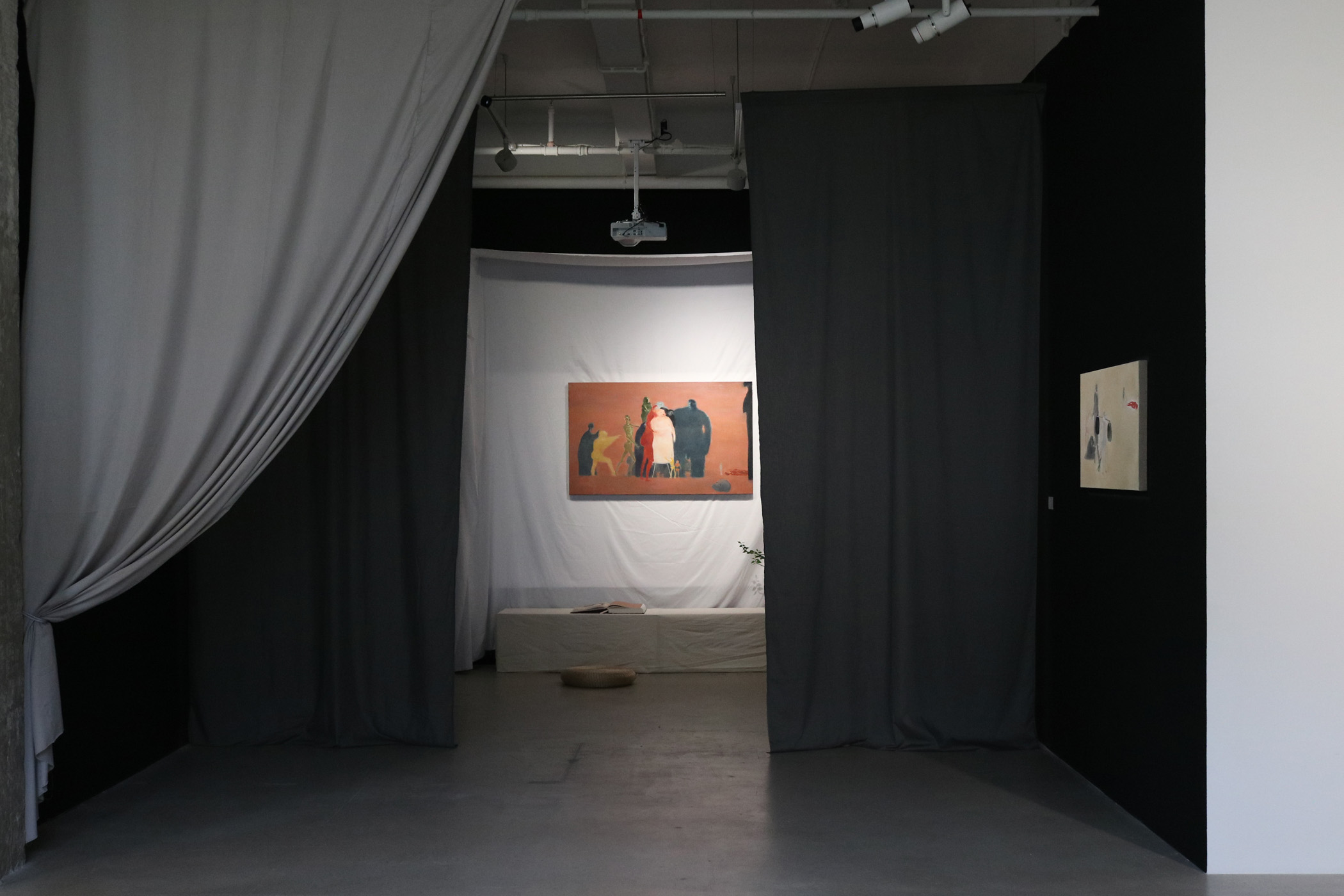
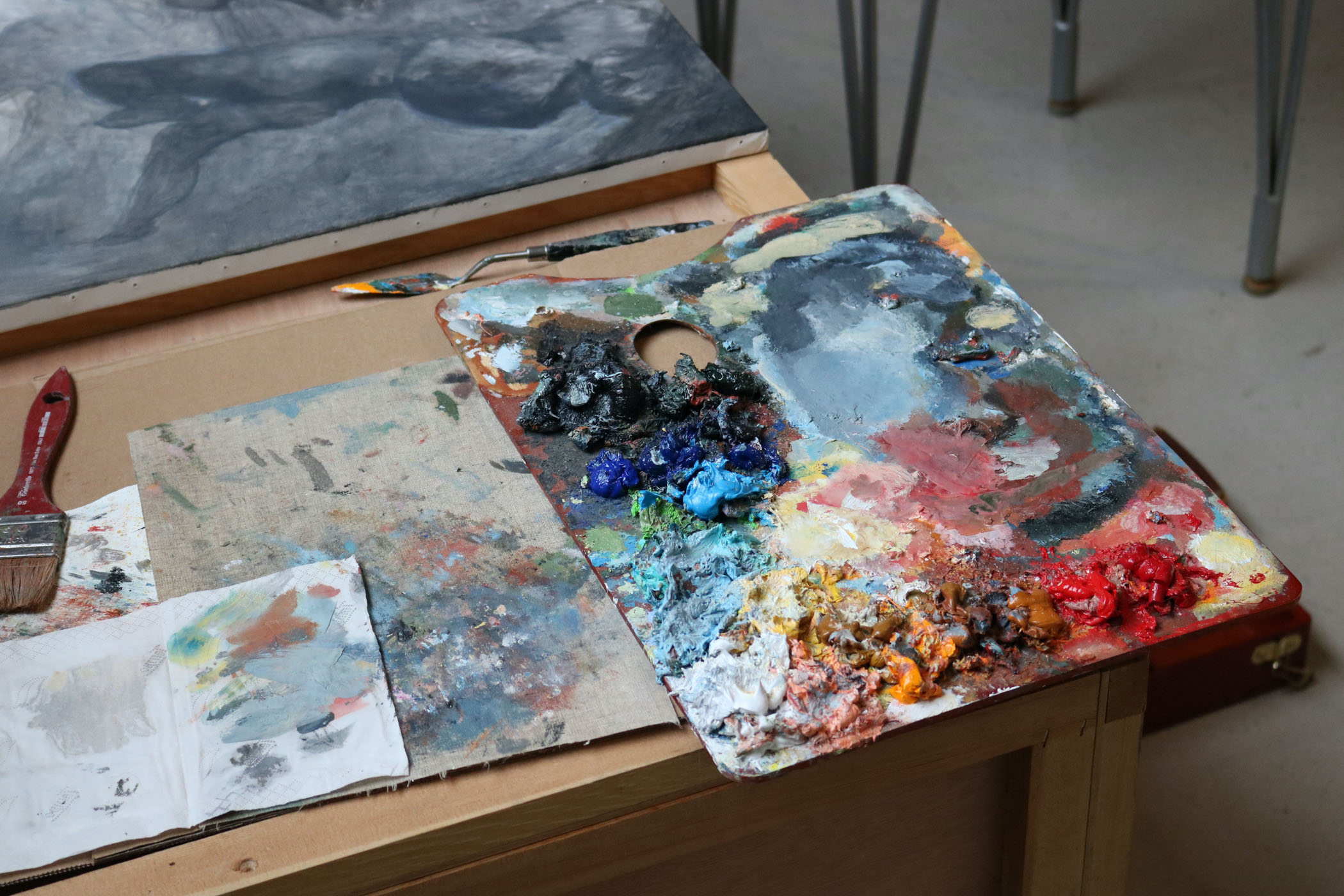
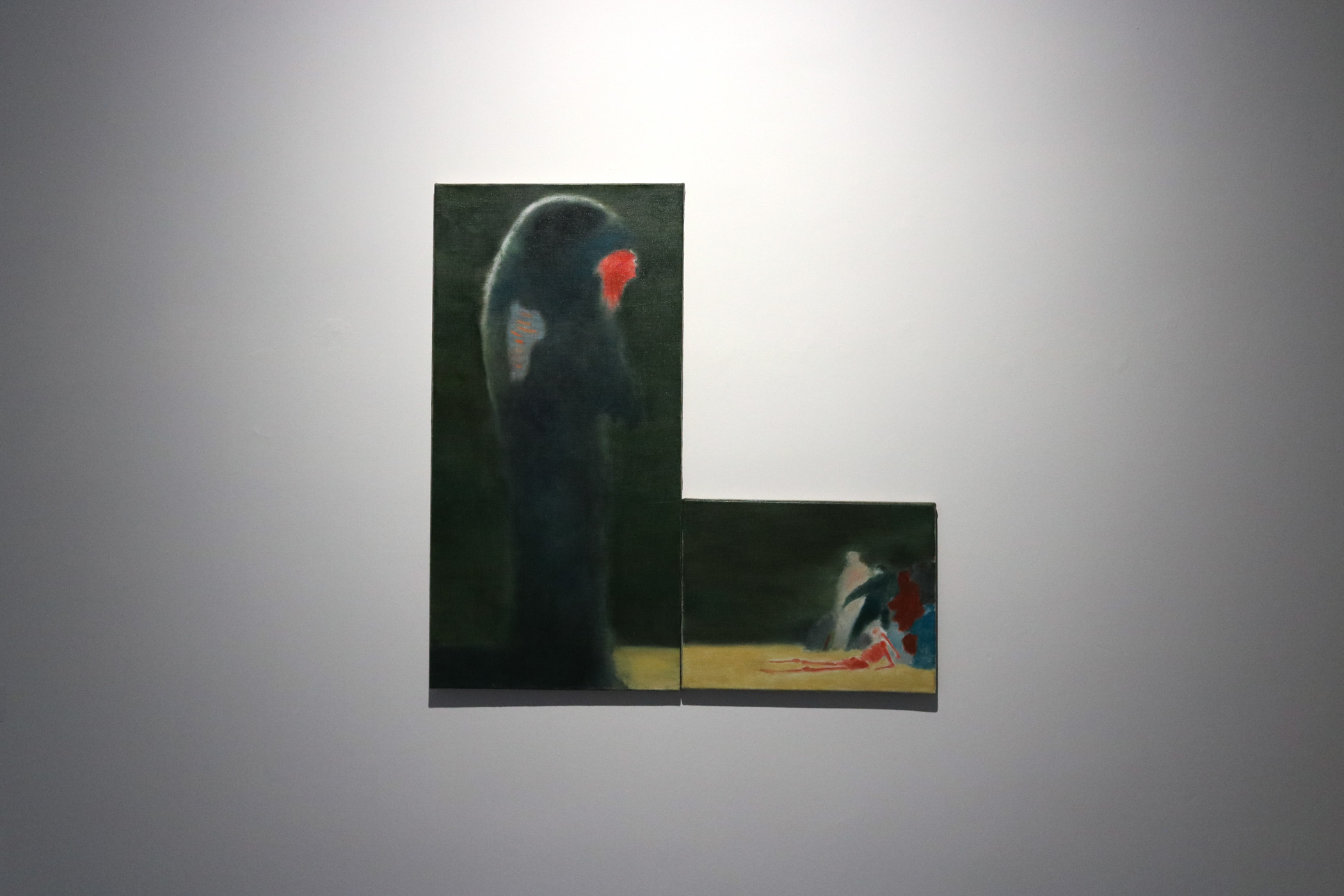
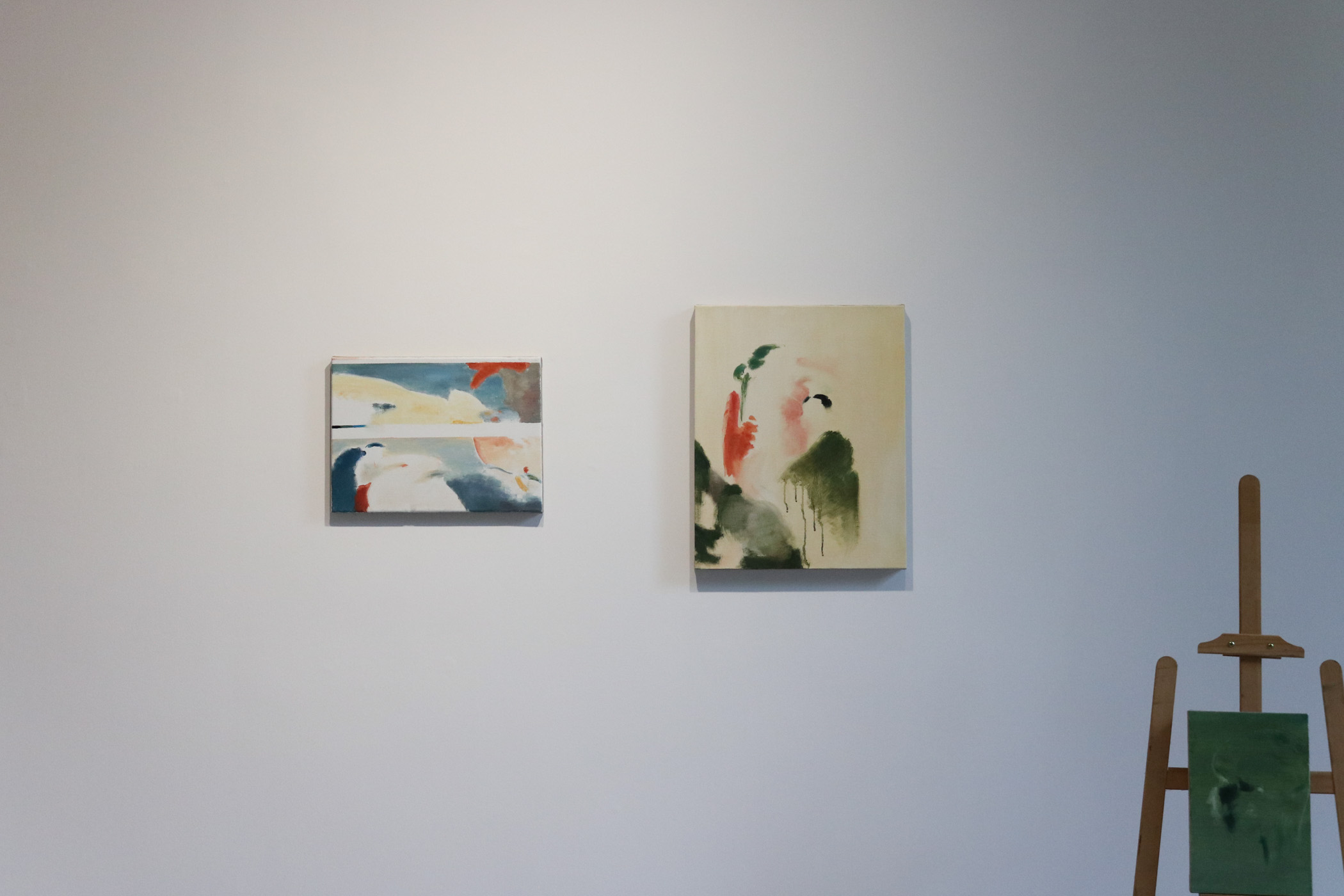
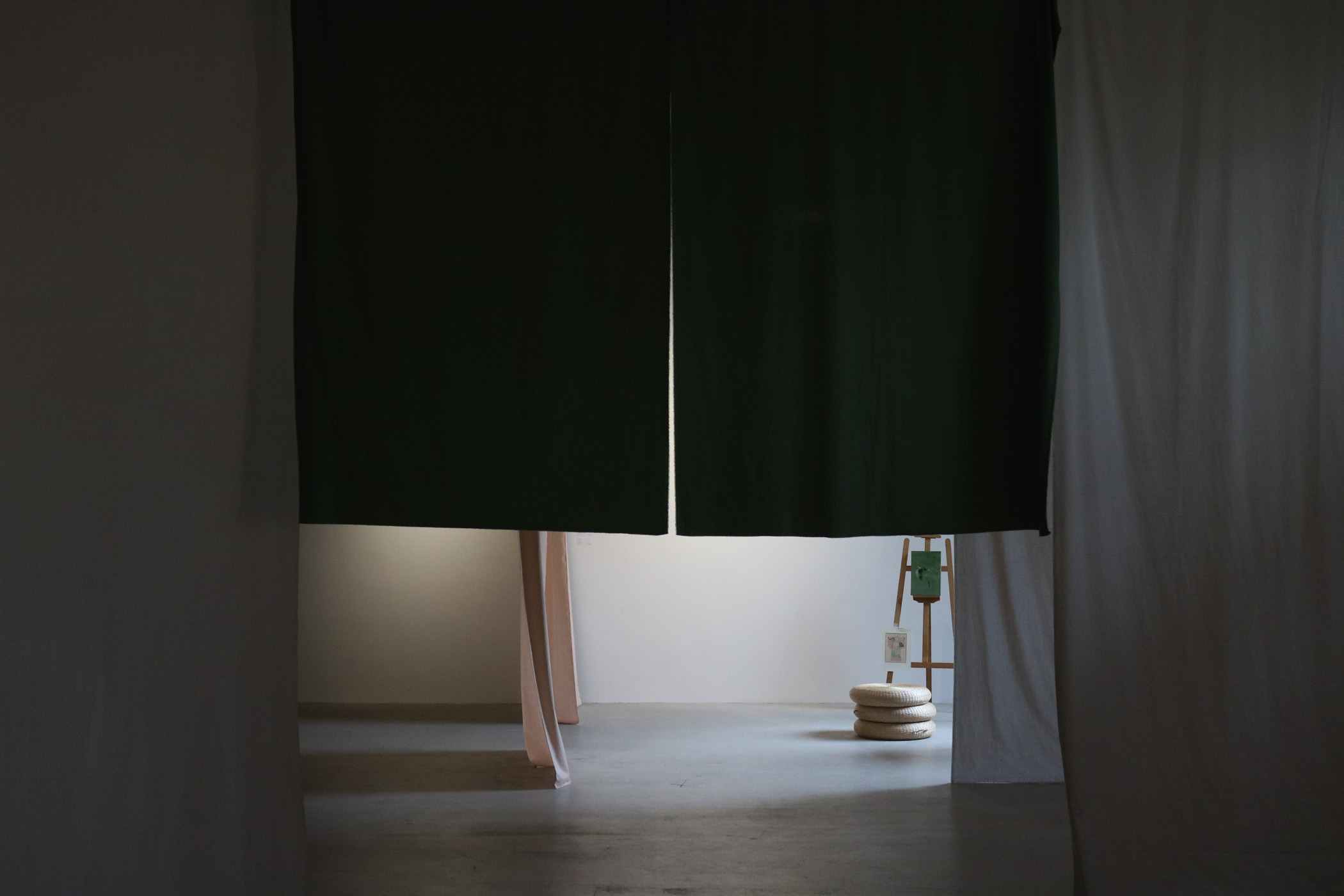
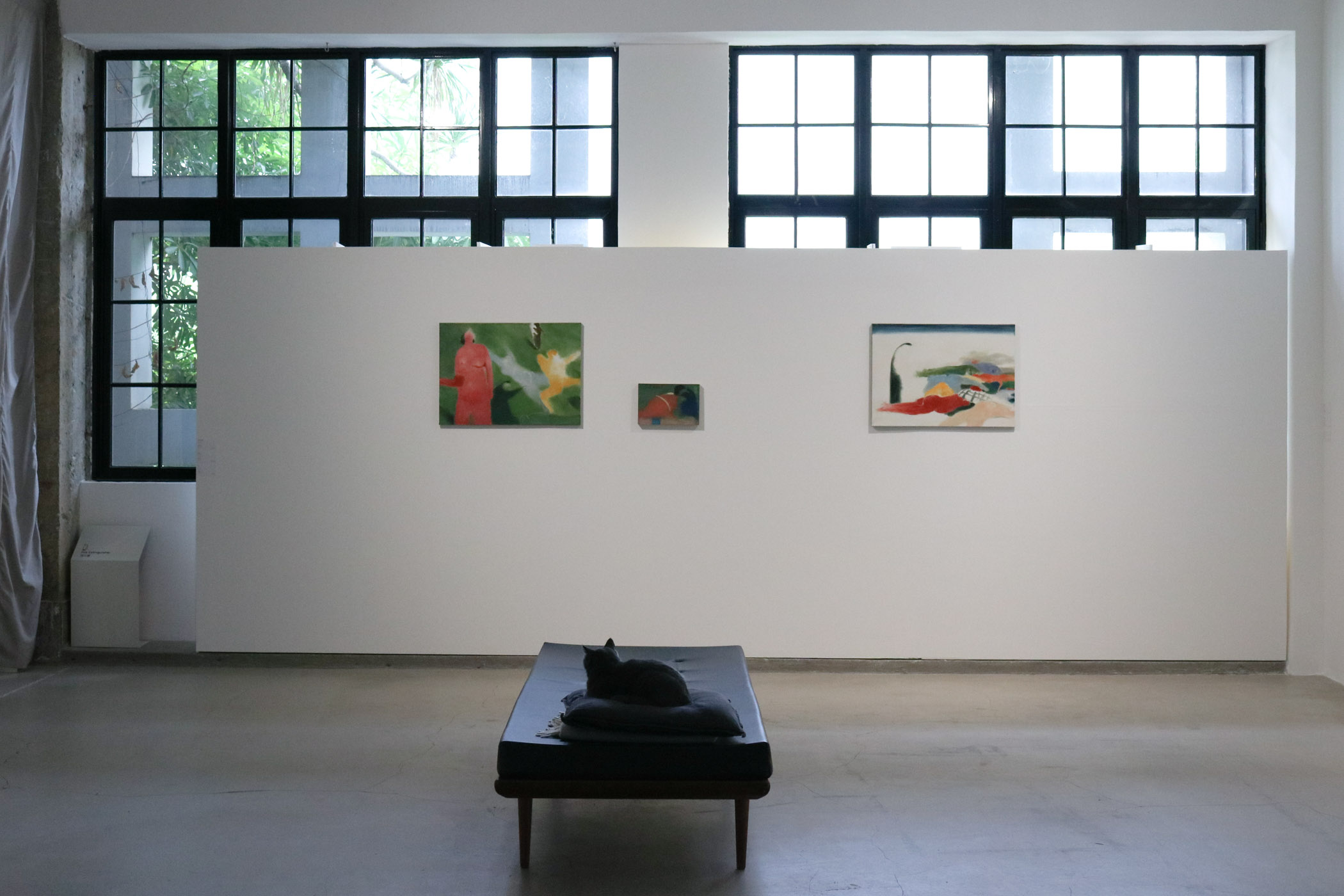
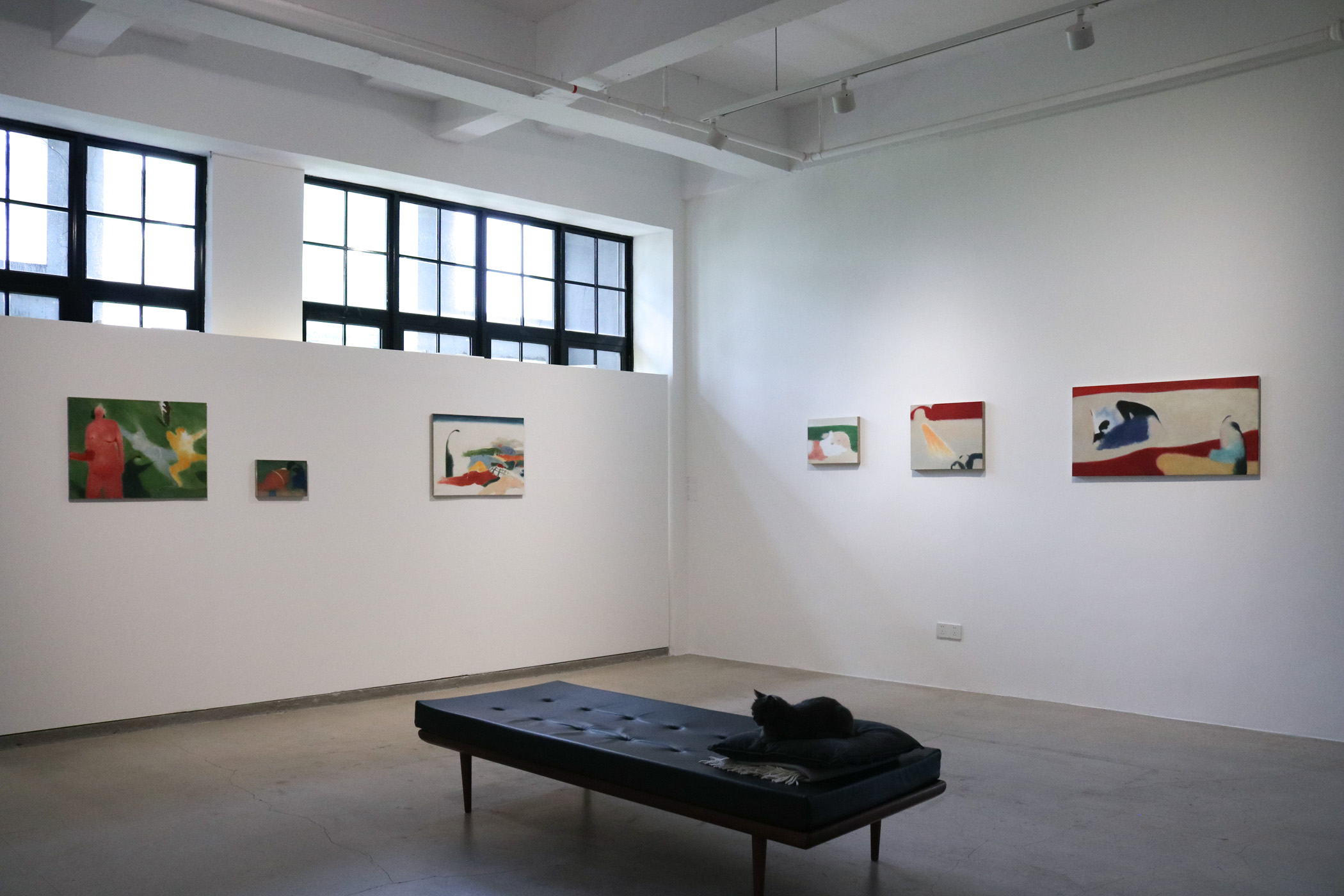
The fictive and semi-fictive scenes of everyday life, the constantly shifting spaces, the deliberate distance maintained between artistic practice and conventional modes of production, the suspended dialogues within a father-son relationship, the ambiguous borders between strangers and companions, the repeated weighing of intimacy and hidden connection — all of this is poured into a half-fictive space constituted by the three primary colors of the Edo period: black, persimmon, and fresh onion green. “Black Sapote” and “Fresh Onion” are at once colors and fruits: one deep and cloying, the other tender and sharp. The exhibition title places these two words in apposition, tracing from a narrative angle the contours of two young people and the world they inhabit. Welcome into a chamber of time enclosed by layered curtains — among nearly 30 works and live creation, while the spell of painting has yet to lift, fall into a world where the self and its shadows learn to recognize each other.
