
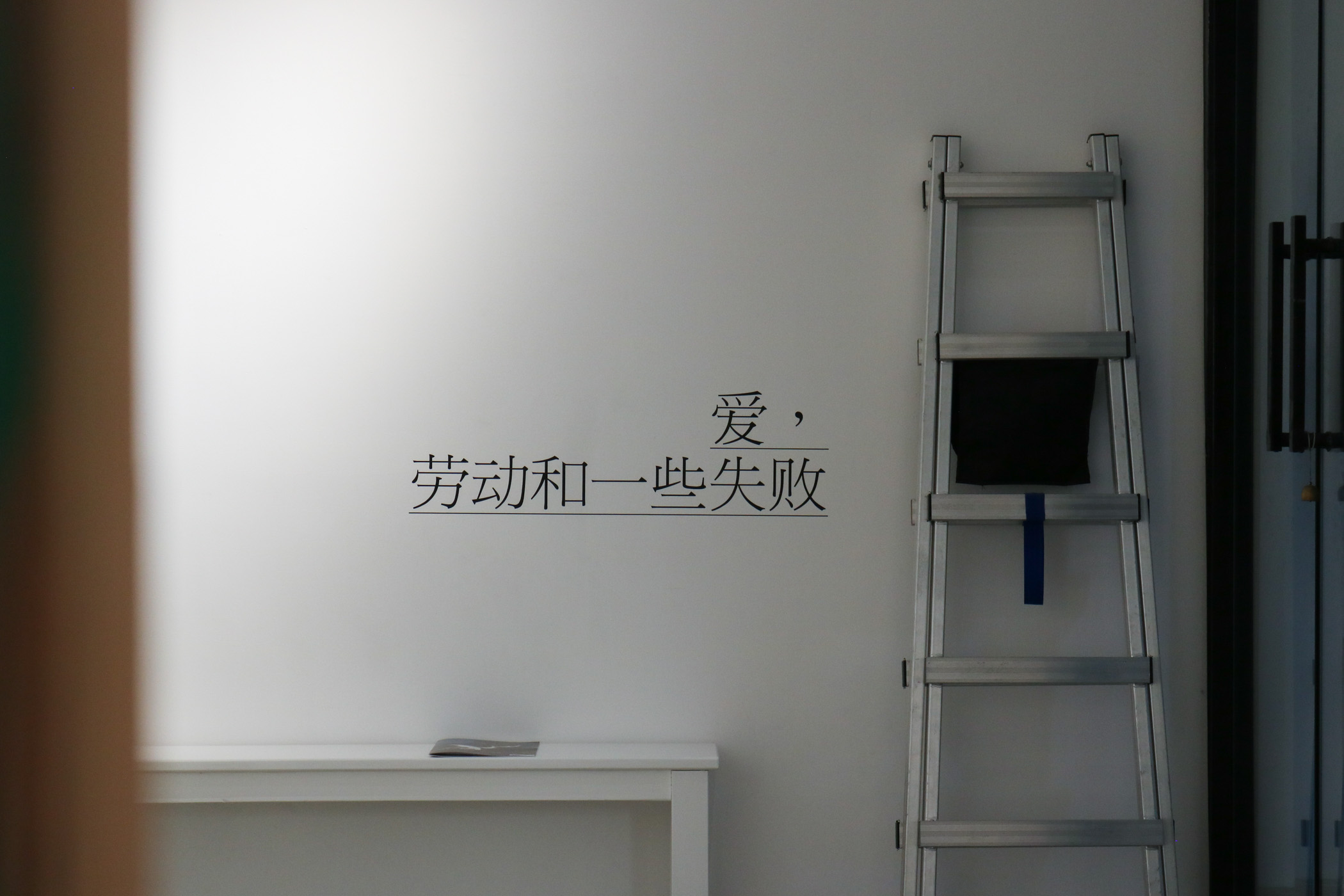
Eros, Labour, and Some Failures
People are rarely able to recount life exactly as it was. Memory leaves things out; language changes the order in which events occurred; wishes can also draw a story towards what has yet to happen, until what is concrete seems to recede to an unreachable shore. For thousands of years, people have used words and songs, prayers to the gods, and long journeys home to tell of love, labour, and failure. Thousands of years later, the basic shape of these longings seems to have changed very little: we still take detours, again and again, towards things we have yet to attain or understand.
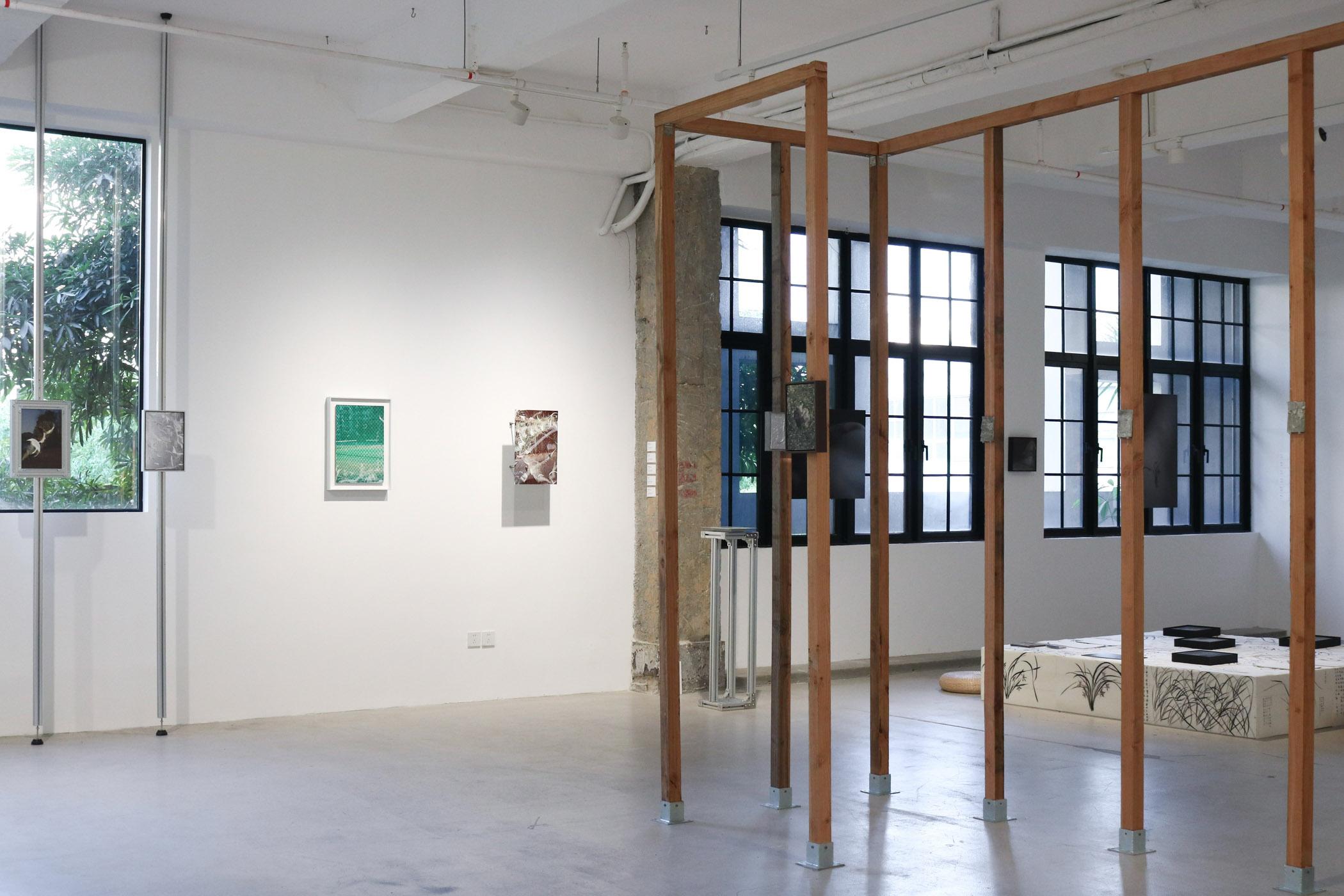
The seven artists in this exhibition begin with personal experience, family relationships, everyday objects, and bodily sensations. Through painting, moving image, sound, publishing, and installation, they rearrange these materials. Fiction creates a certain distance from reality, while also giving another form to experiences that are difficult to express directly.
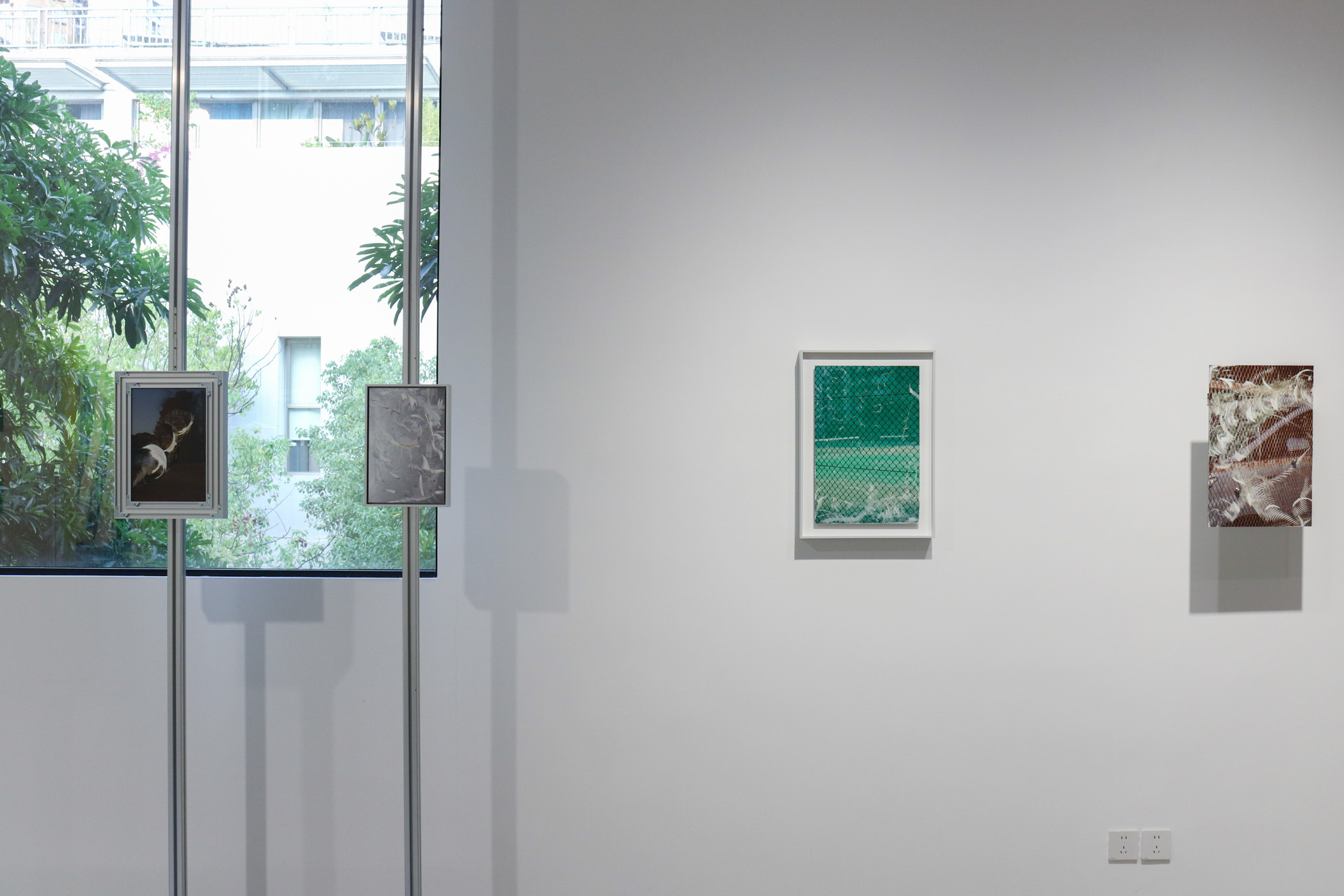
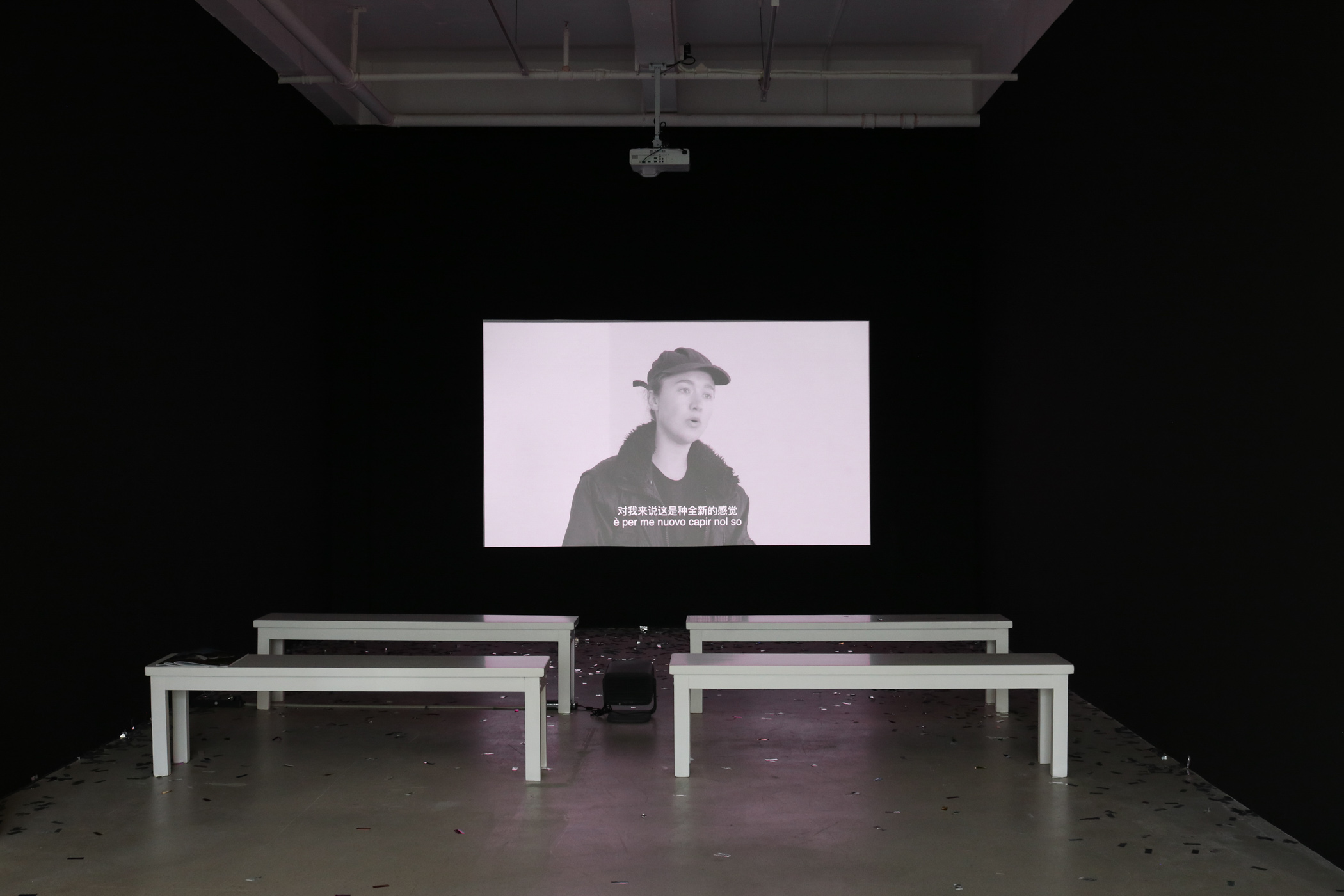
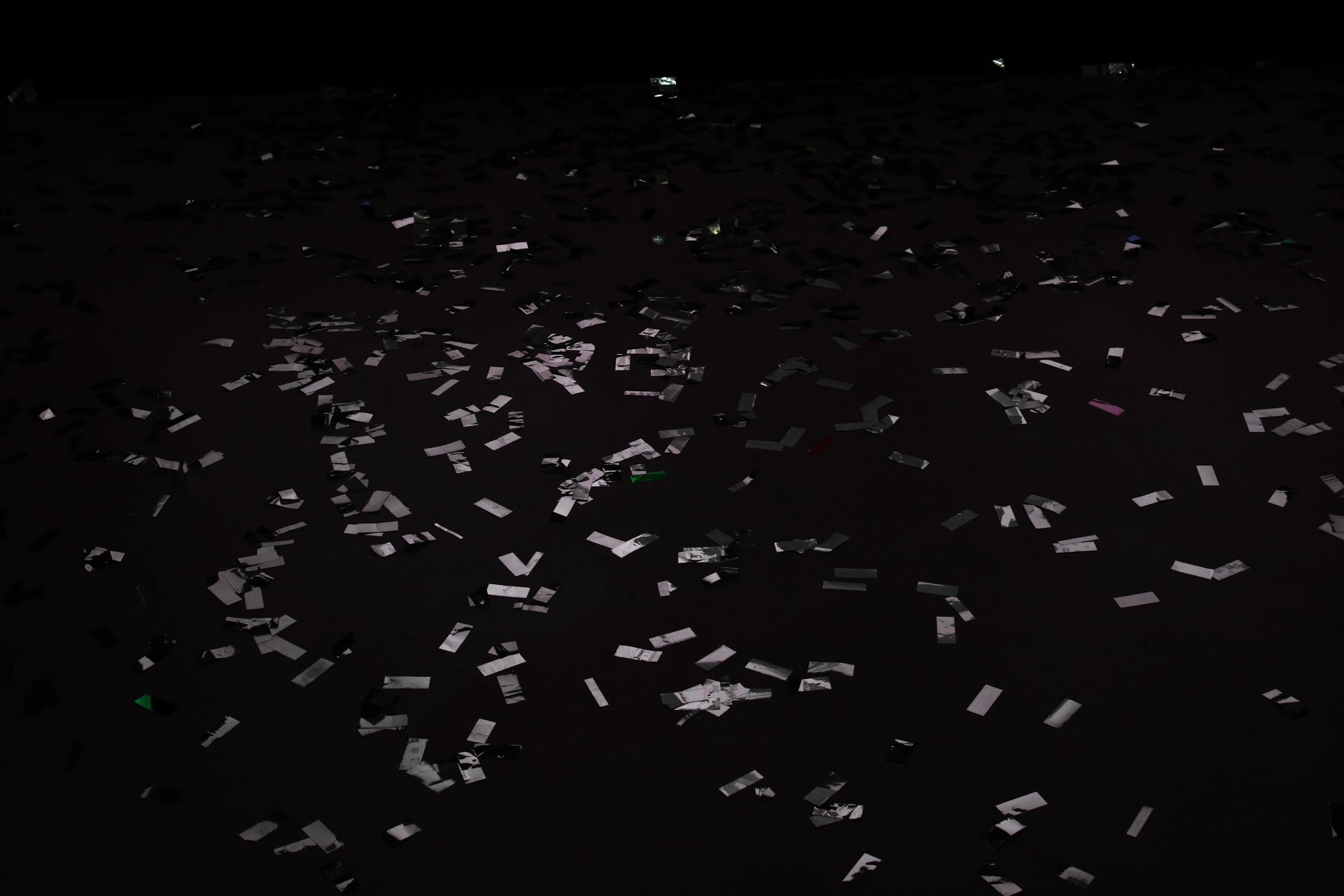
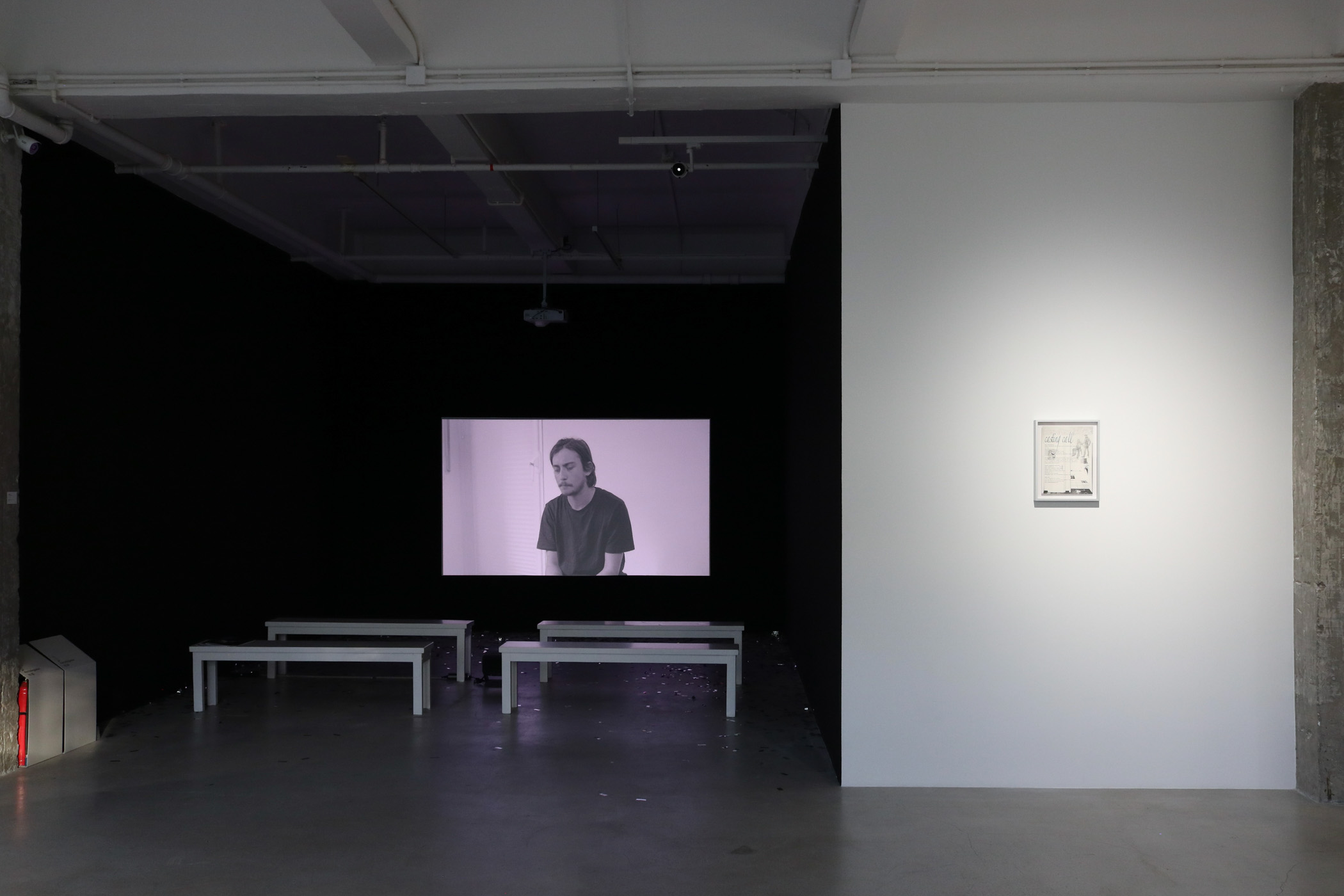
Haiqing Wang has long examined the relationships between personal experience, private life, and technological forms of recording. A Drop of Crocodile’s Tears follows a queer director casting actors for a fictional wedding. The wedding never actually took place; at the scene, there was only confetti that appeared to have been left after a celebration. In her practice, reality and fiction are not opposites. A fictional story can emerge from a real memory; a performance can produce real feelings; and personal belongings, once placed in an exhibition, can become a self-portrait.
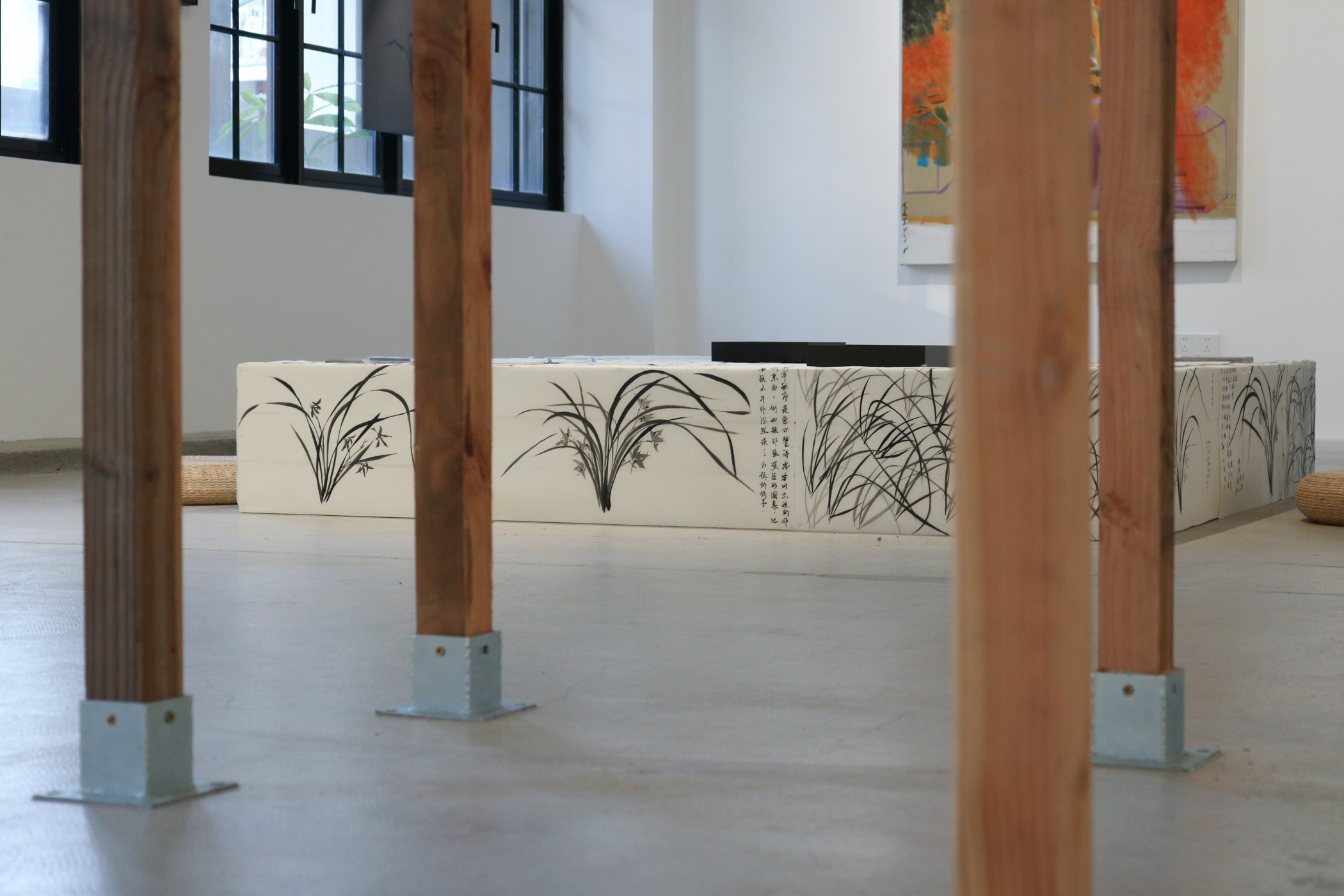
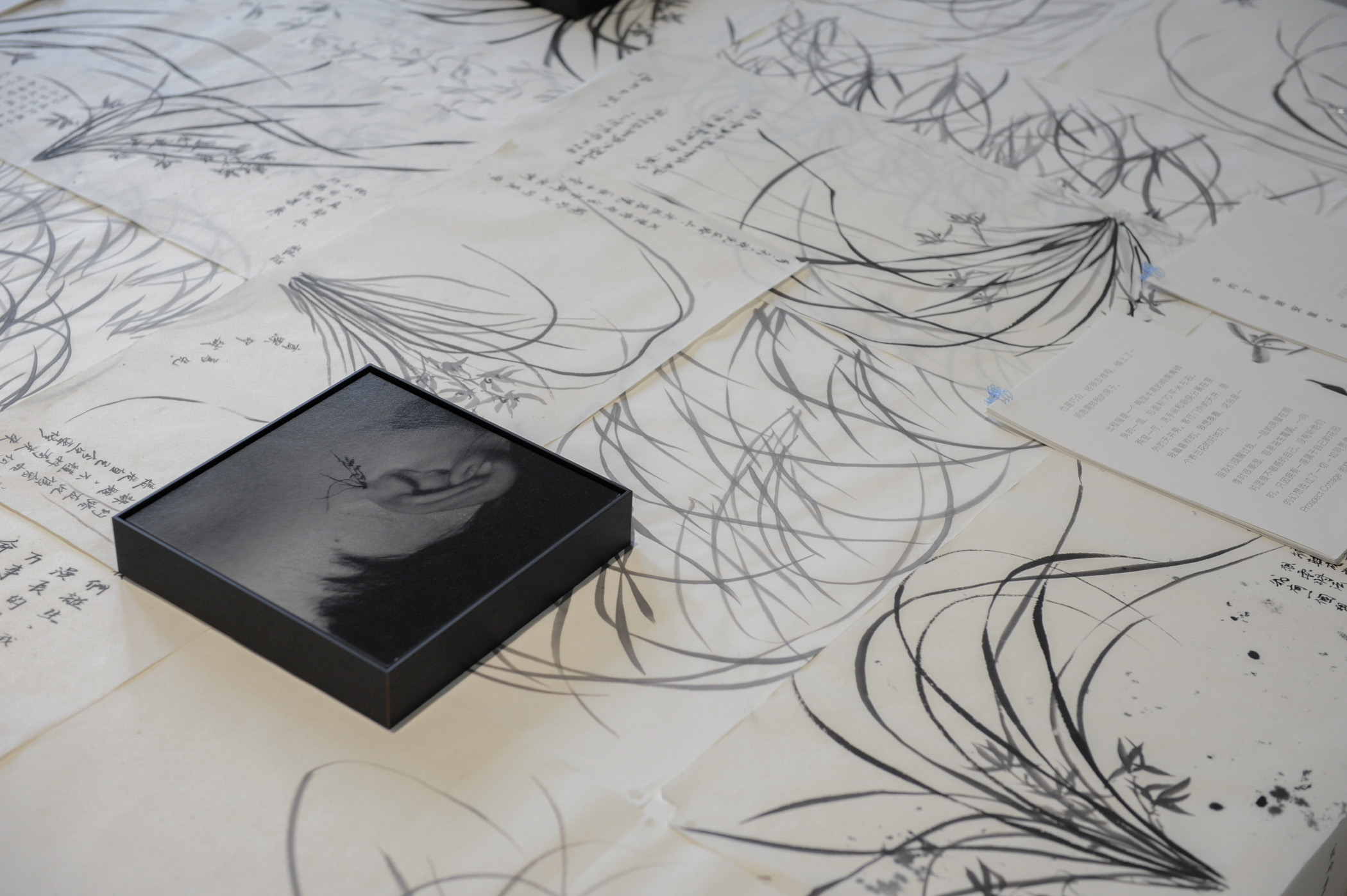
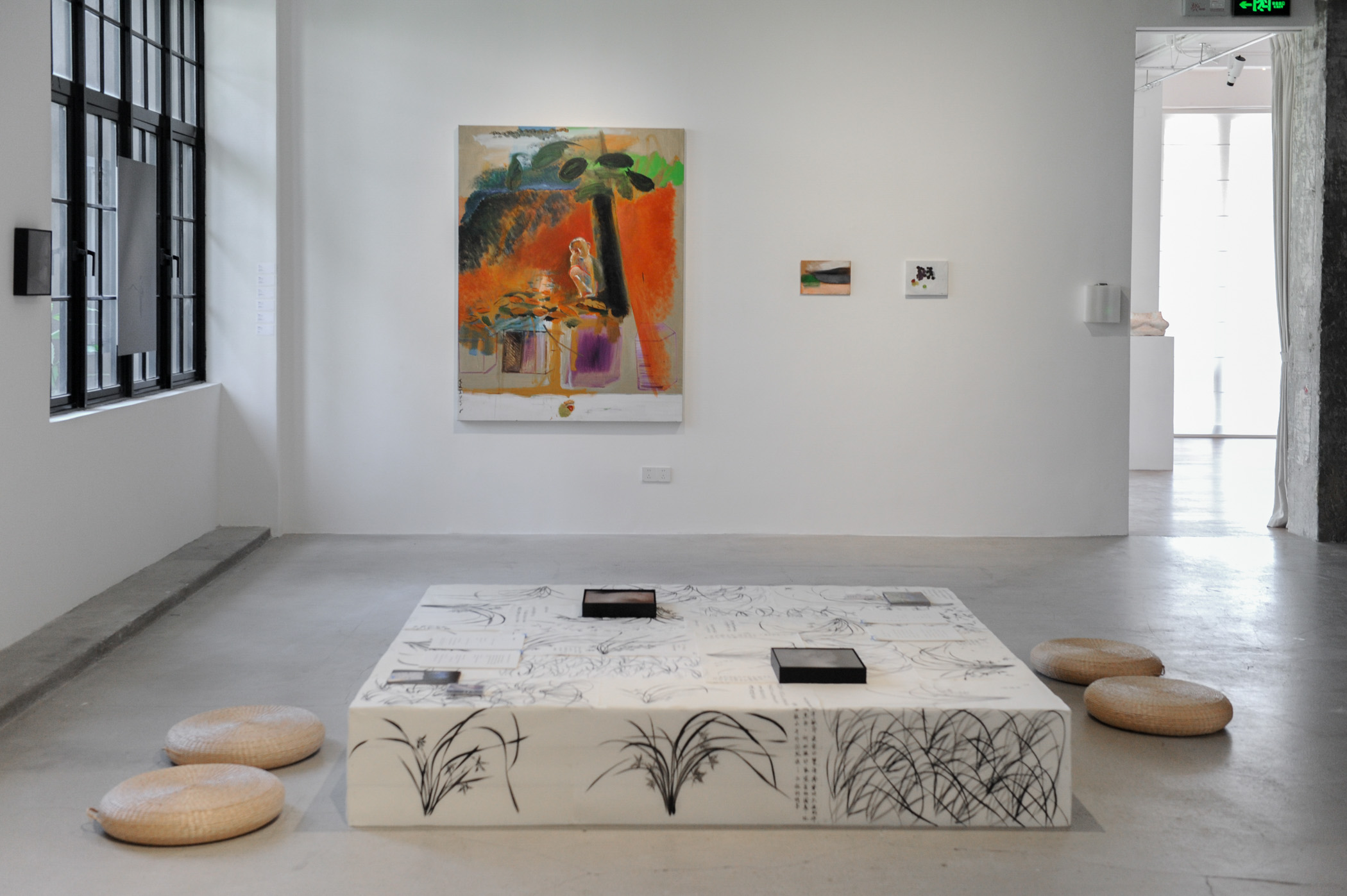
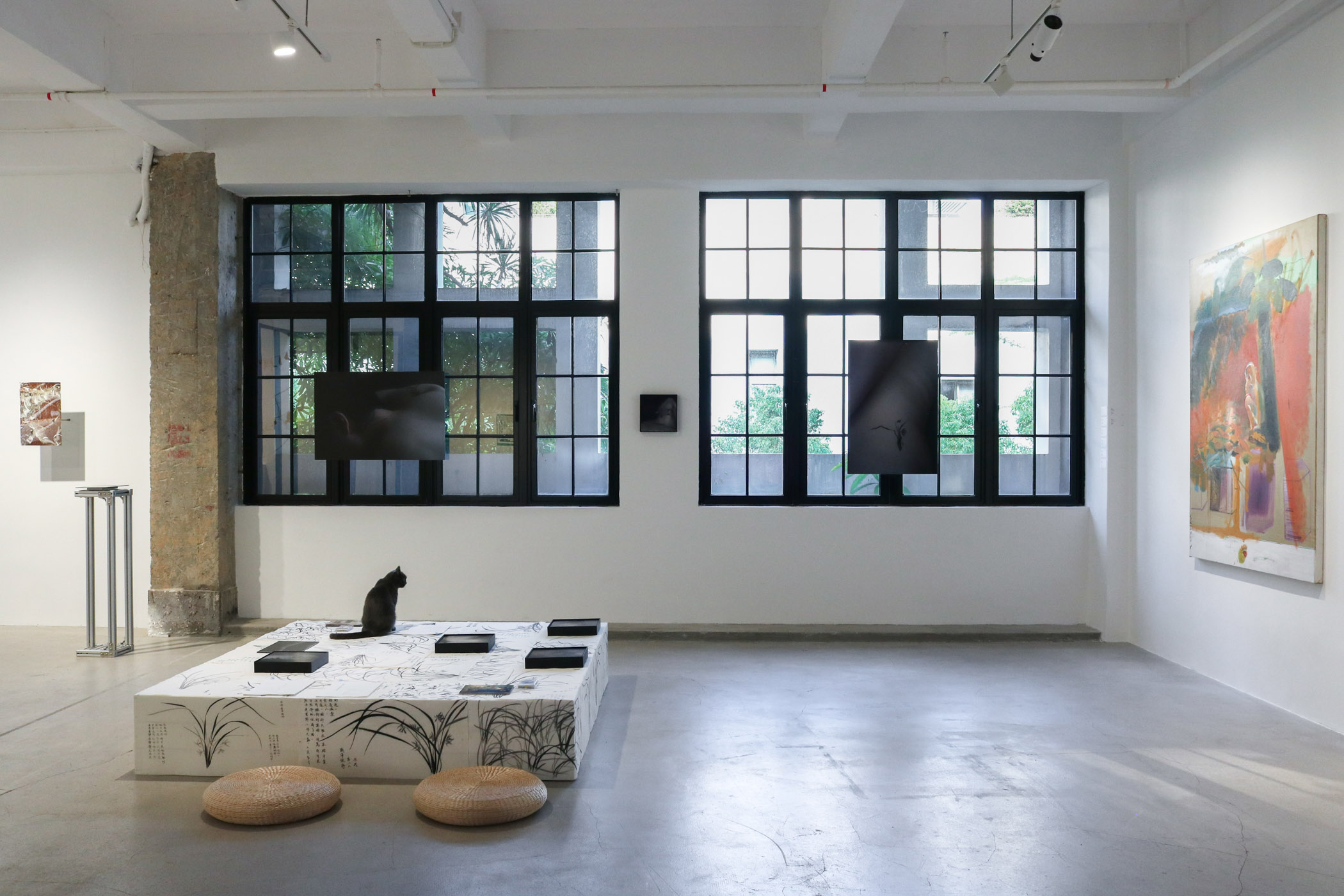
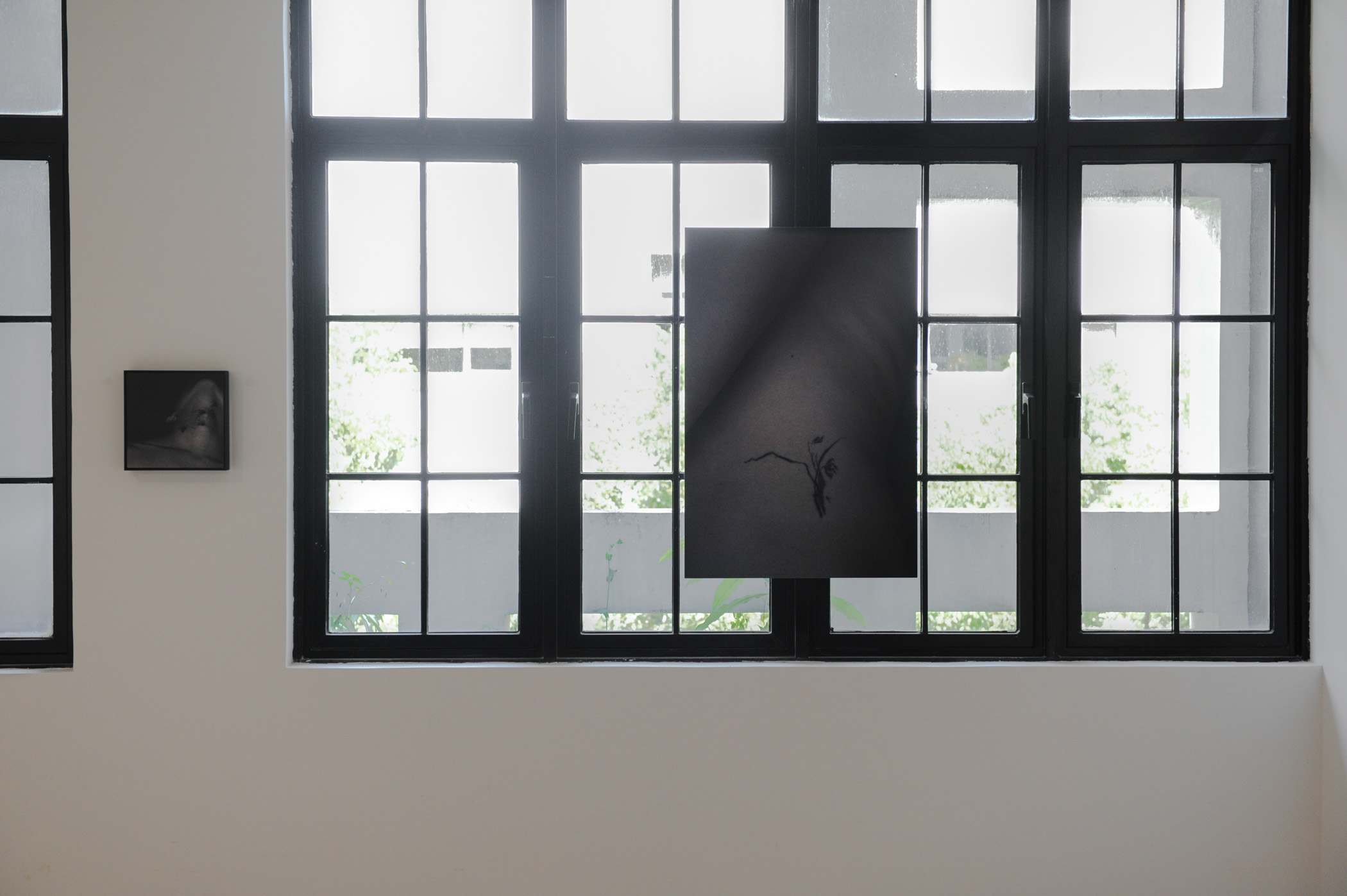
Echoing Haiqing Wang’s work, Qiheng Chen has long used the orchid as a way of thinking and working. As part of his daily life, Chen practises traditional ink painting of orchids. In the Ink Orchid Paintings and Junzi series, ink orchids encounter queer bodies. The works ask whether, in a contemporary context, a queer person can be a junzi—the cultivated “gentleman” of Chinese tradition—and whether the ink orchid, traditionally associated with the character of the junzi, can form a new relationship with the queer body.
Alongside these works, Orchid Pavilion 001: Genesis brings together texts and selected images gathered as Chen works through his own identity and everyday life. It unfolds without a fixed order and at an unhurried pace, recording spaces, relationships, attempts, encounters, uncertainties, and failures.Mingjing Yu’s noise paintings grew out of her grandparents’ experience of China’s Third Front construction programme. Driven by a vision, that generation moved entire households into mountainous areas in the country’s interior, leaving their machinery, labour, and much of their lives there. Each seemingly weightless line in her work resembles the loose fibre of kapok, as well as the way that period of memory remains in the body: tangled and heavy. These marks are in fact made by metal striking and colliding with aluminium plate at high speed. She believes that not every story can be told in a sound that is pleasant to hear. This is her way of working: letting the body absorb the weight and speed of the machine, then leaving that weight in an image that appears utterly still.
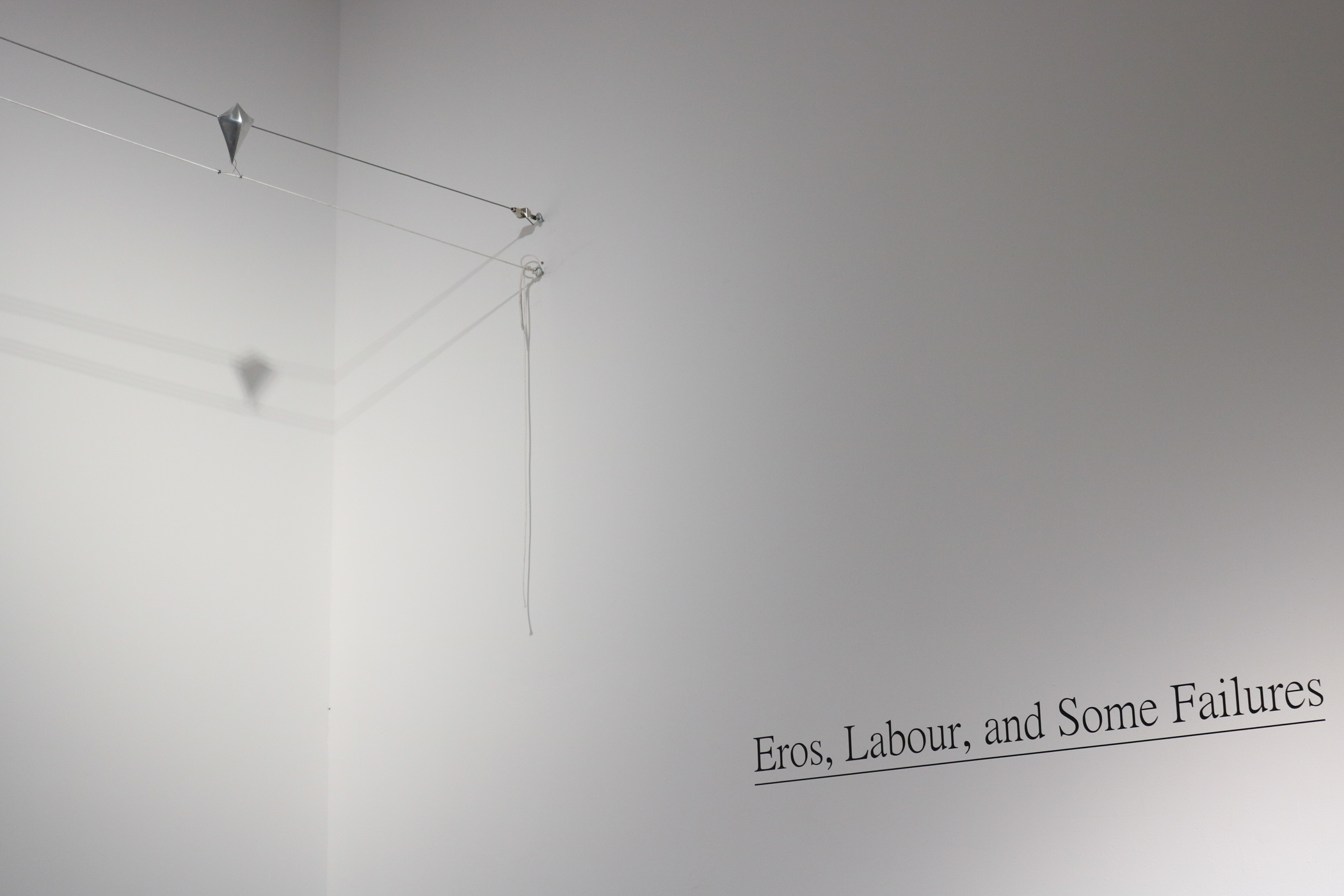
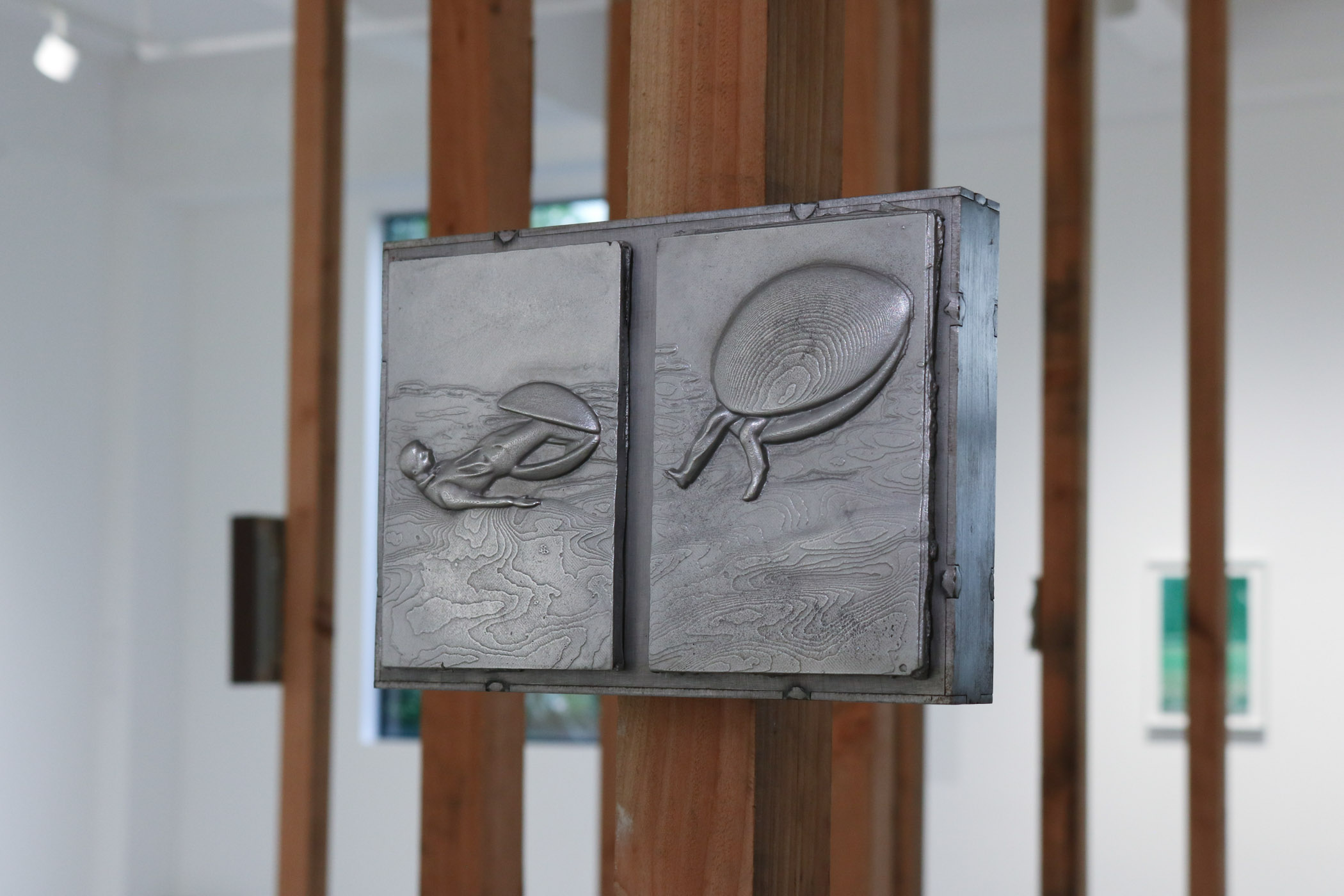
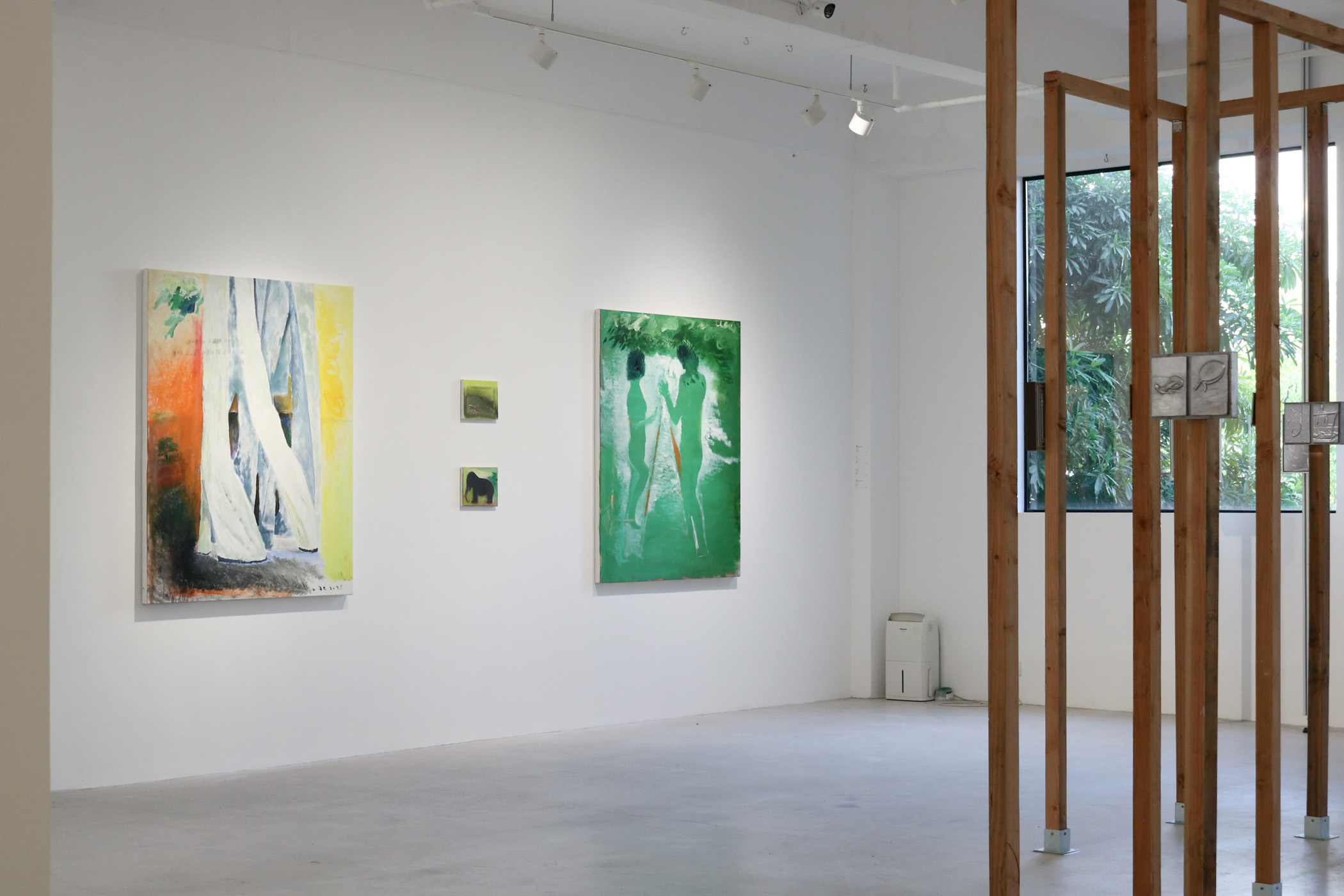
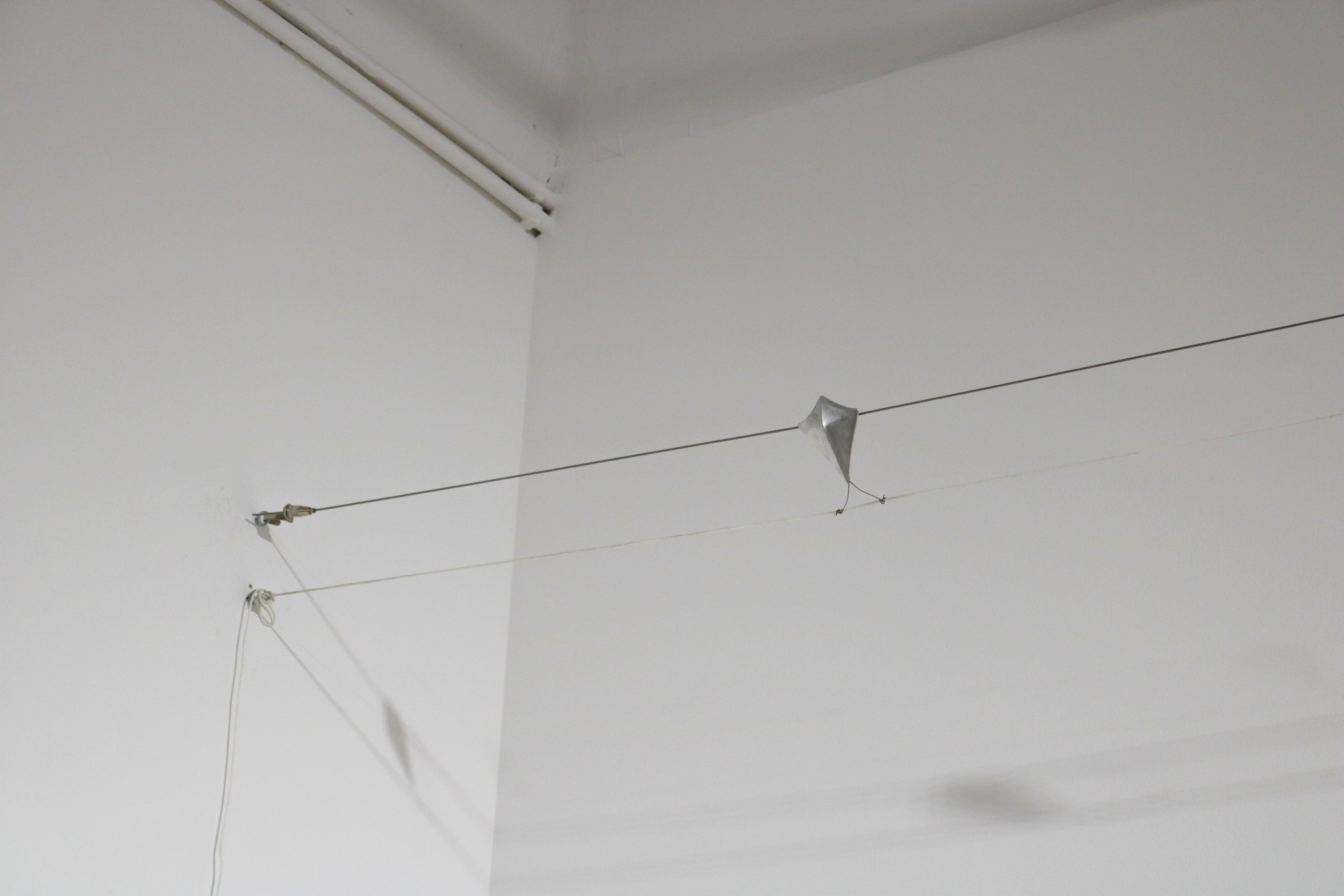
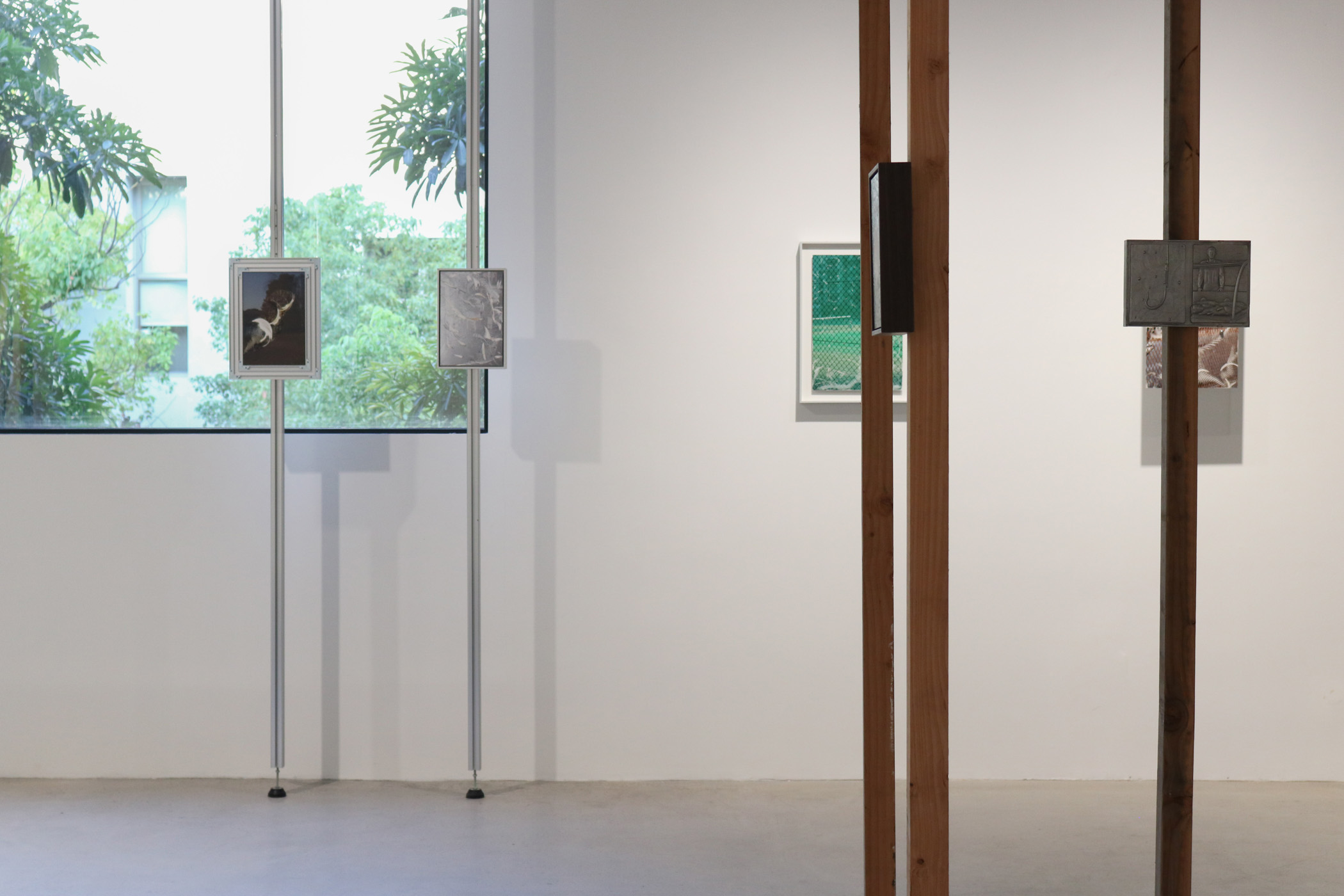
Nassim L’Ghoul’s moving-image practice uses ‘prepass images’ from 3D production: intermediate images made before the final render. Viewers therefore often encounter grey models, intense lighting, dark backgrounds, and untextured spaces. In his work, people, animals, and everyday objects often behave in ways they would not in reality: a teapot dances, miniature figures enter a city whose scale has gone awry, a pigeon pushes a cart, and figures suddenly disappear or pass through another layer of the image. The series presented here consists of cast aluminium elements and steel frames, and emerges from this language of greyscale images. Each work contains two adjacent images, yet the pair never resolves into a complete sequence. The story remains open, and what would usually be a temporary stage of production becomes the work itself.
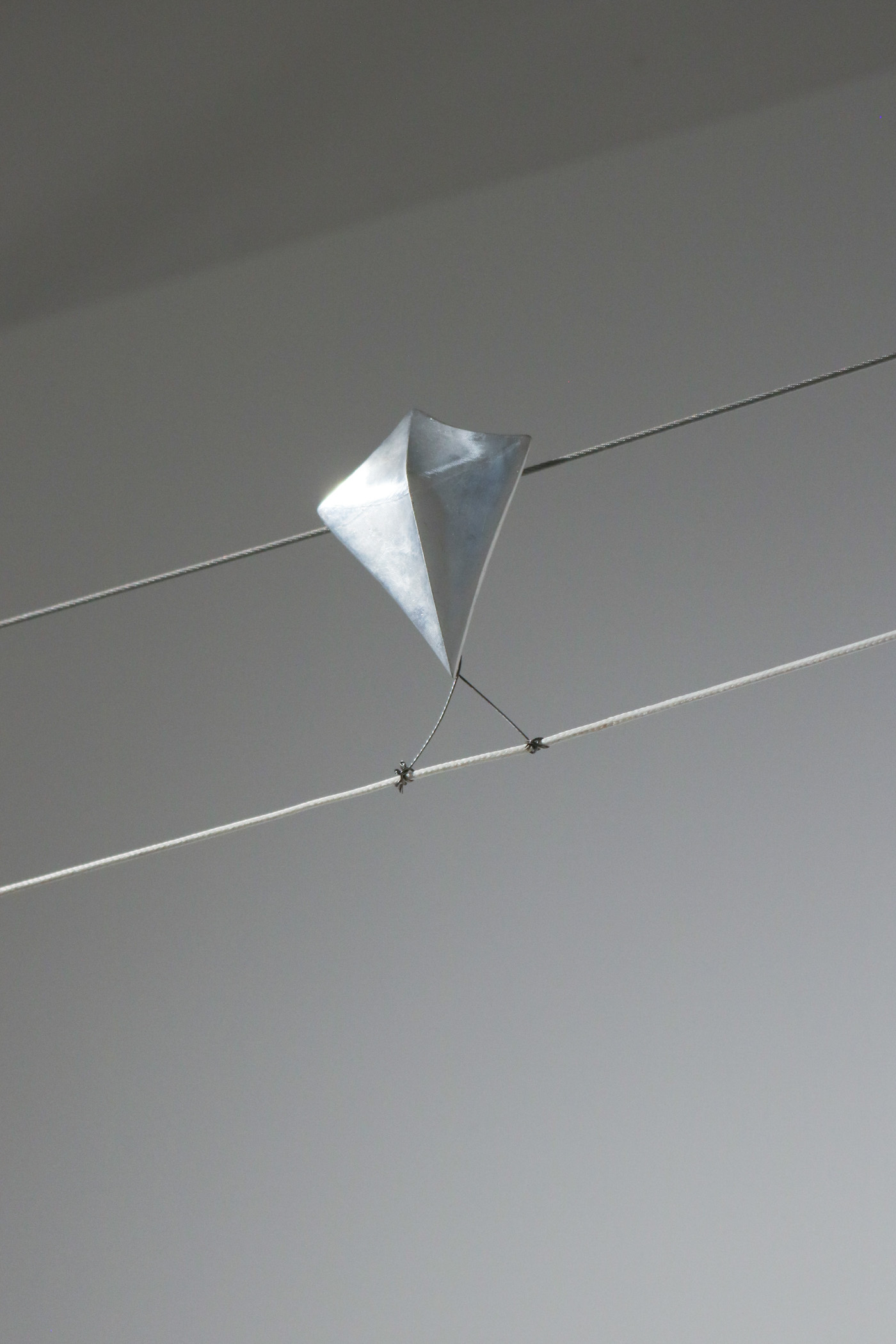
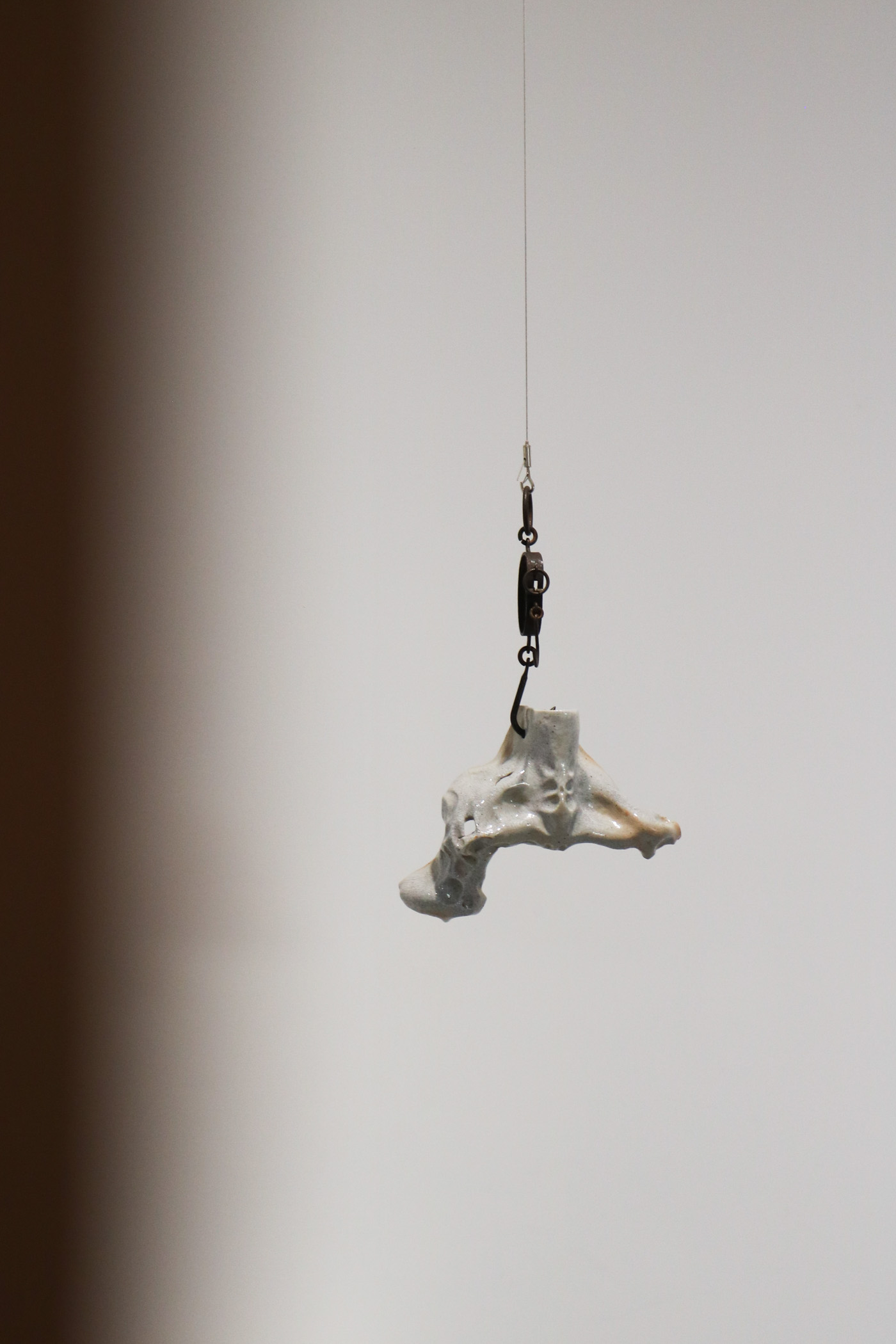
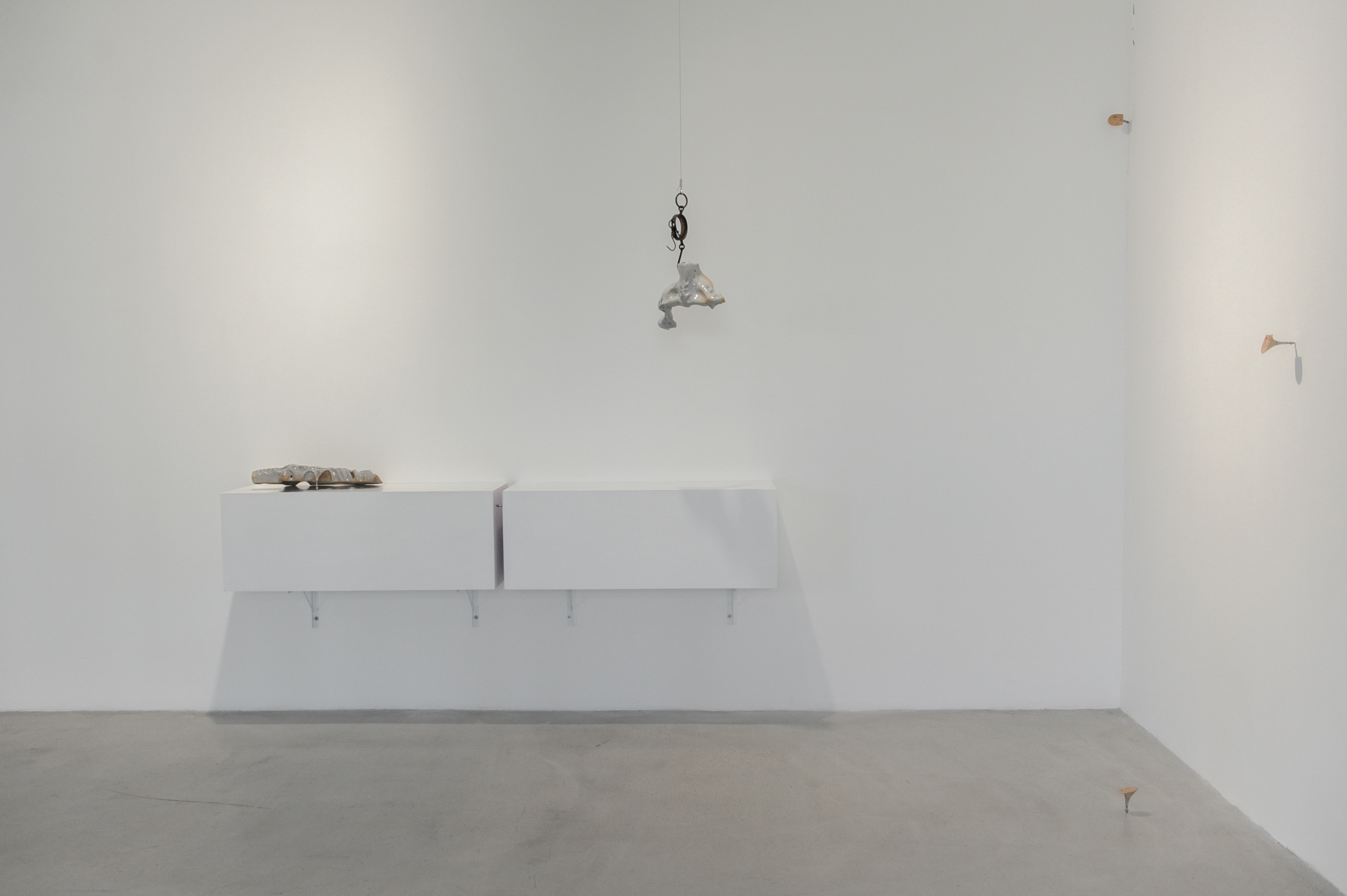
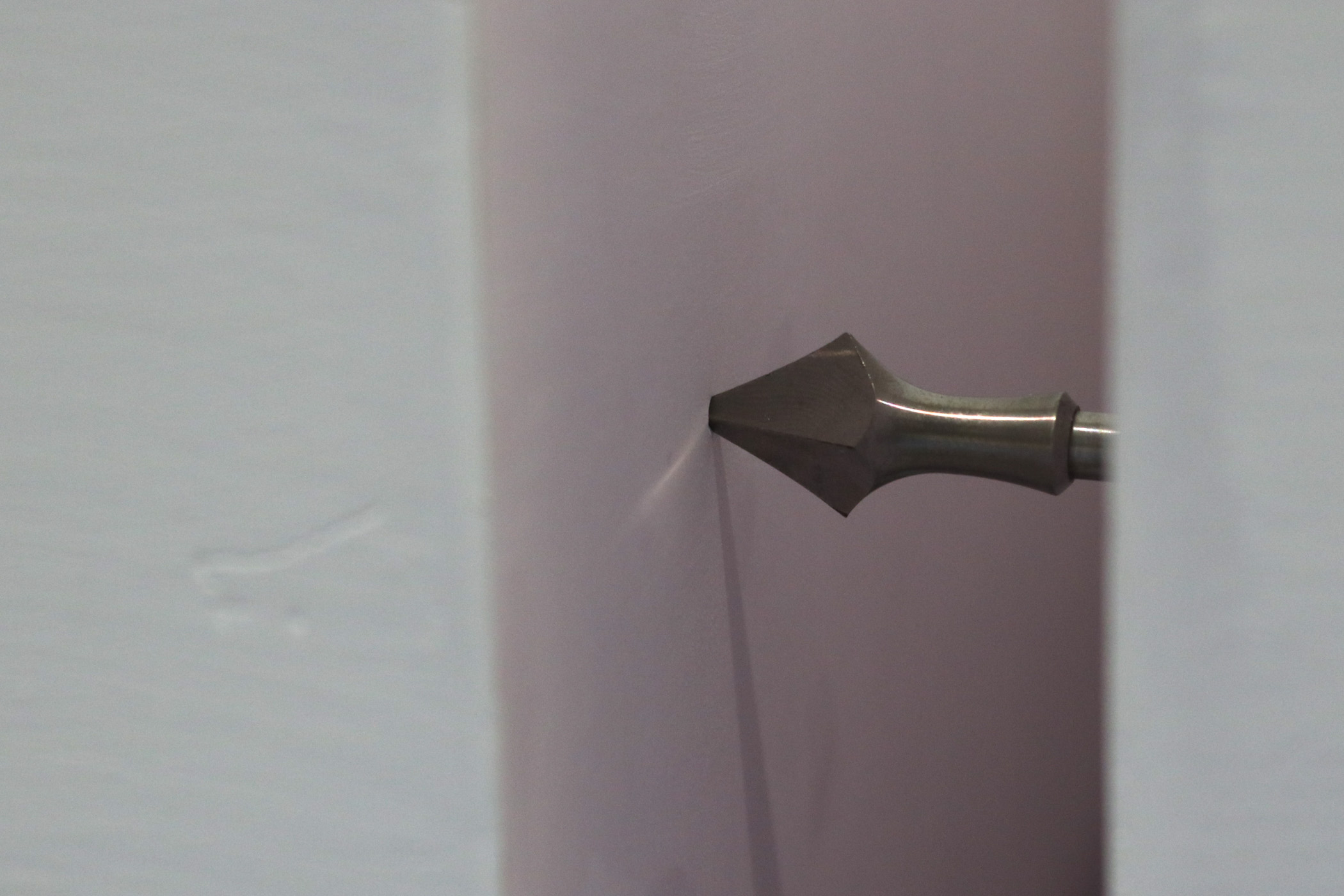
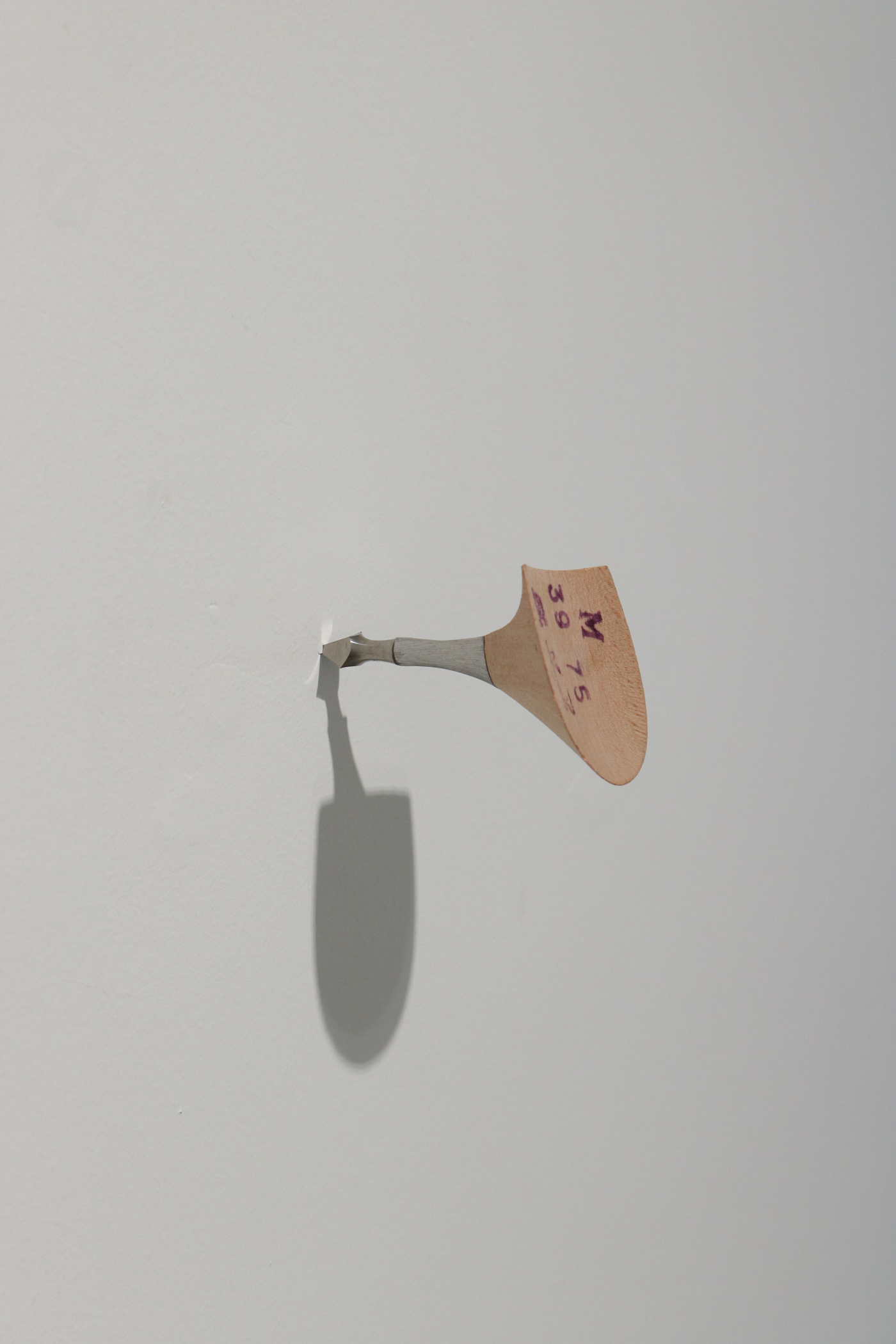
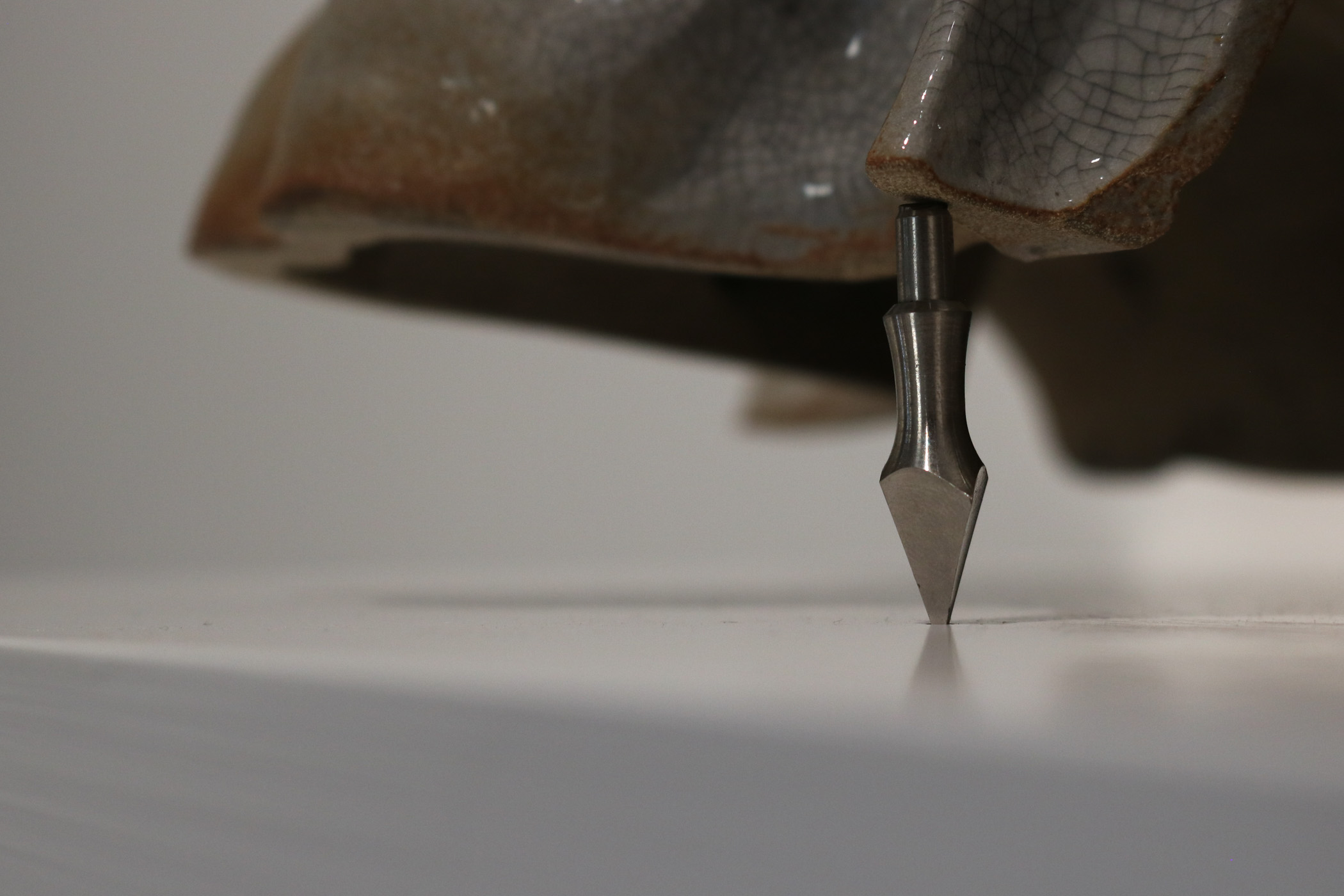
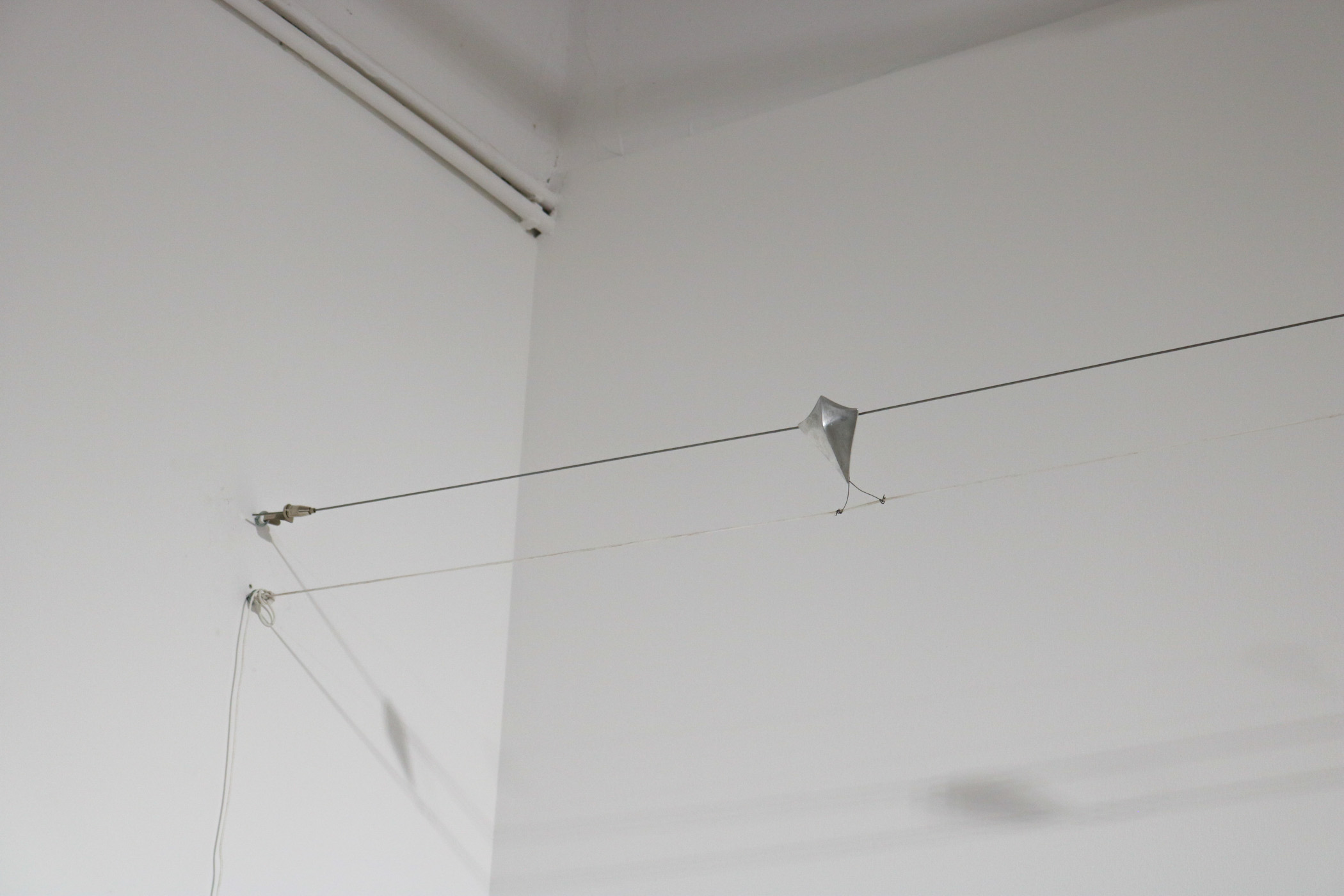
Zeus Li focuses on things that appear stable, natural, and safe, and on the cost of maintaining those conditions. A shoe last is normally used to shape a shoe to a standard form, indirectly determining how a foot should be accommodated. In the exhibition, a shoe last and an arrowhead driven into the wall point towards another experience of staying, moving, and being constrained. In another group of works presented here, two ceramic bodies are suspended from hooks used in butcher shops. Their glazed surfaces appear wet and soft, close to skin and muscle. As the viewer looks up, the butcher’s hooks assume a coarse and unforgiving presence.
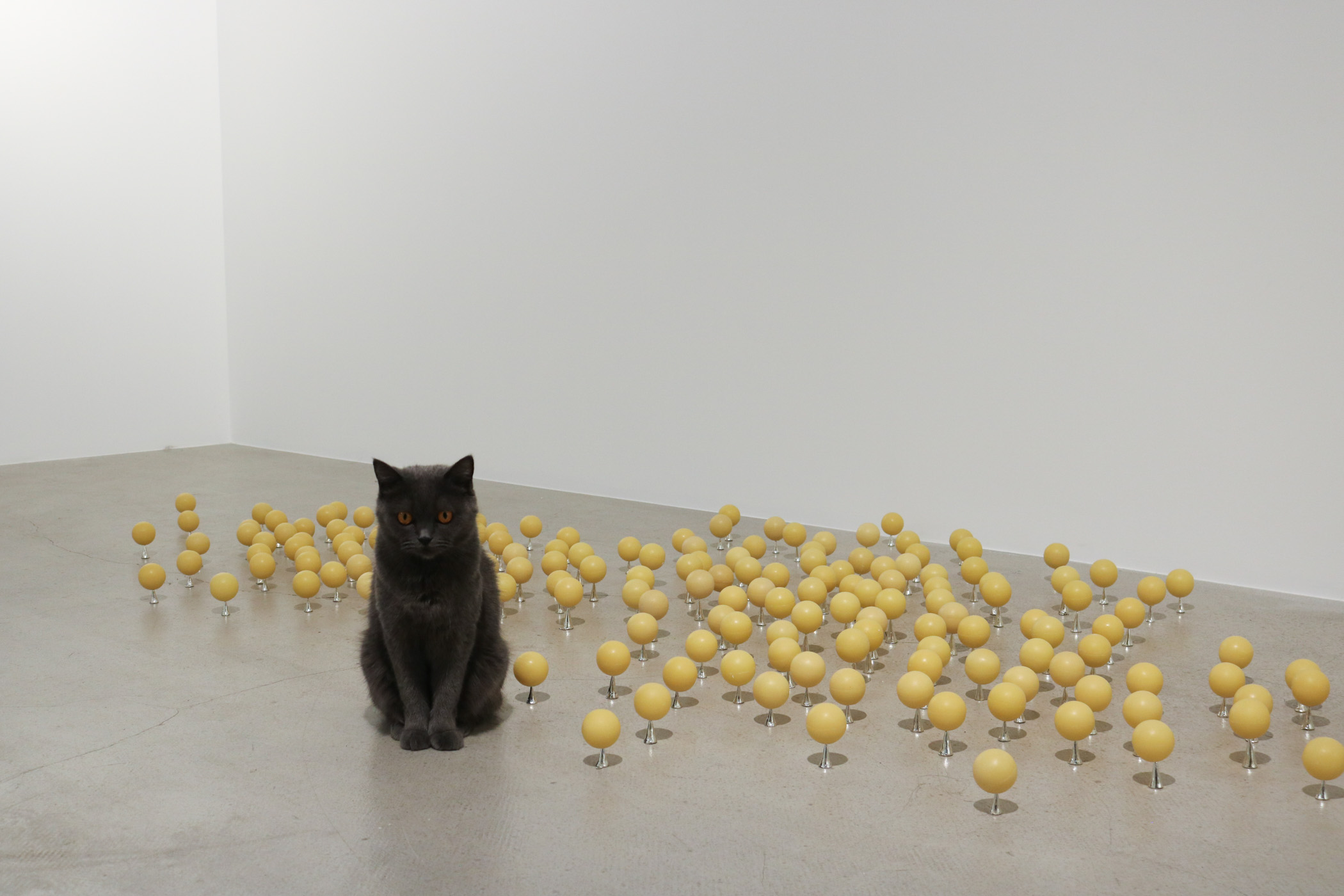
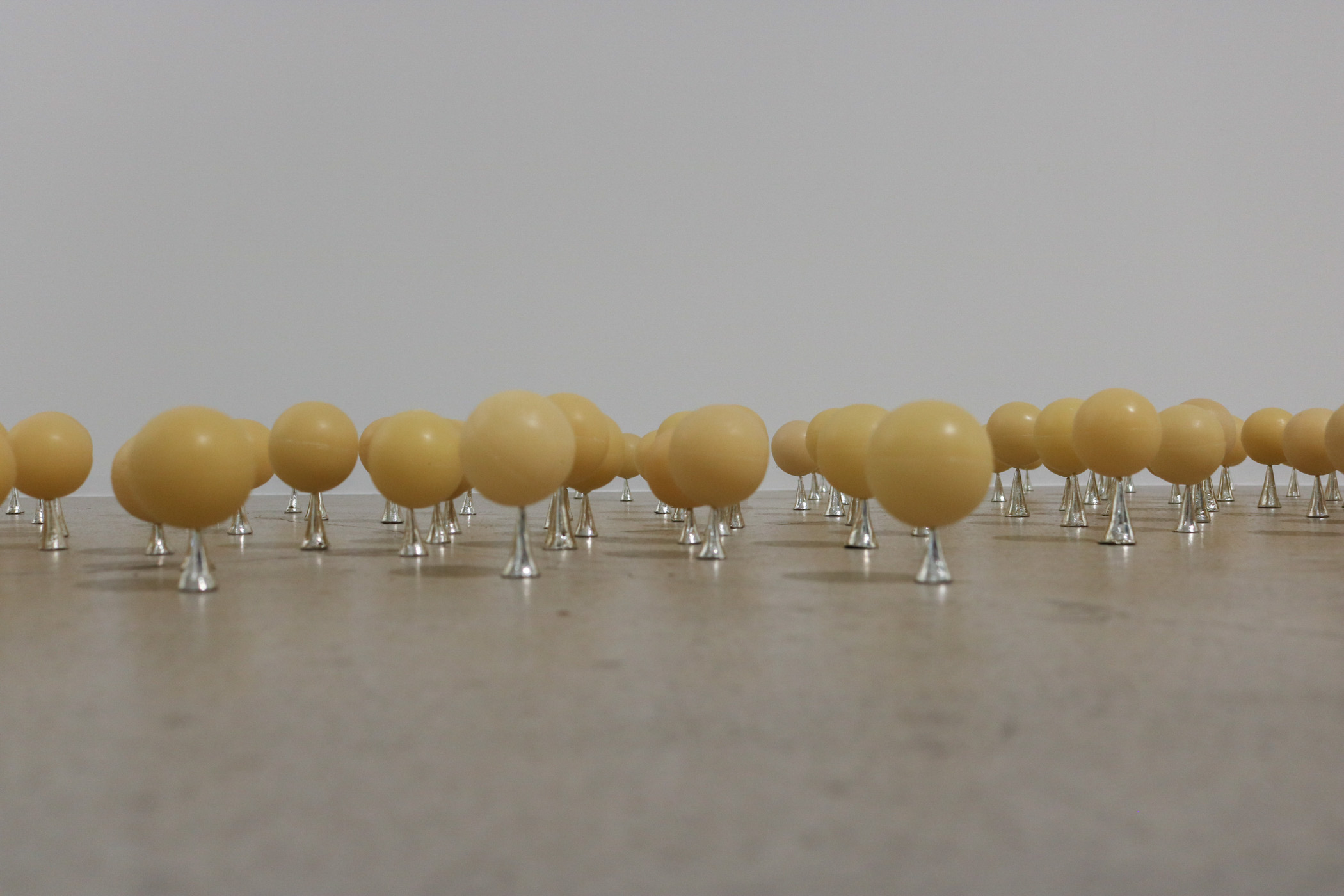
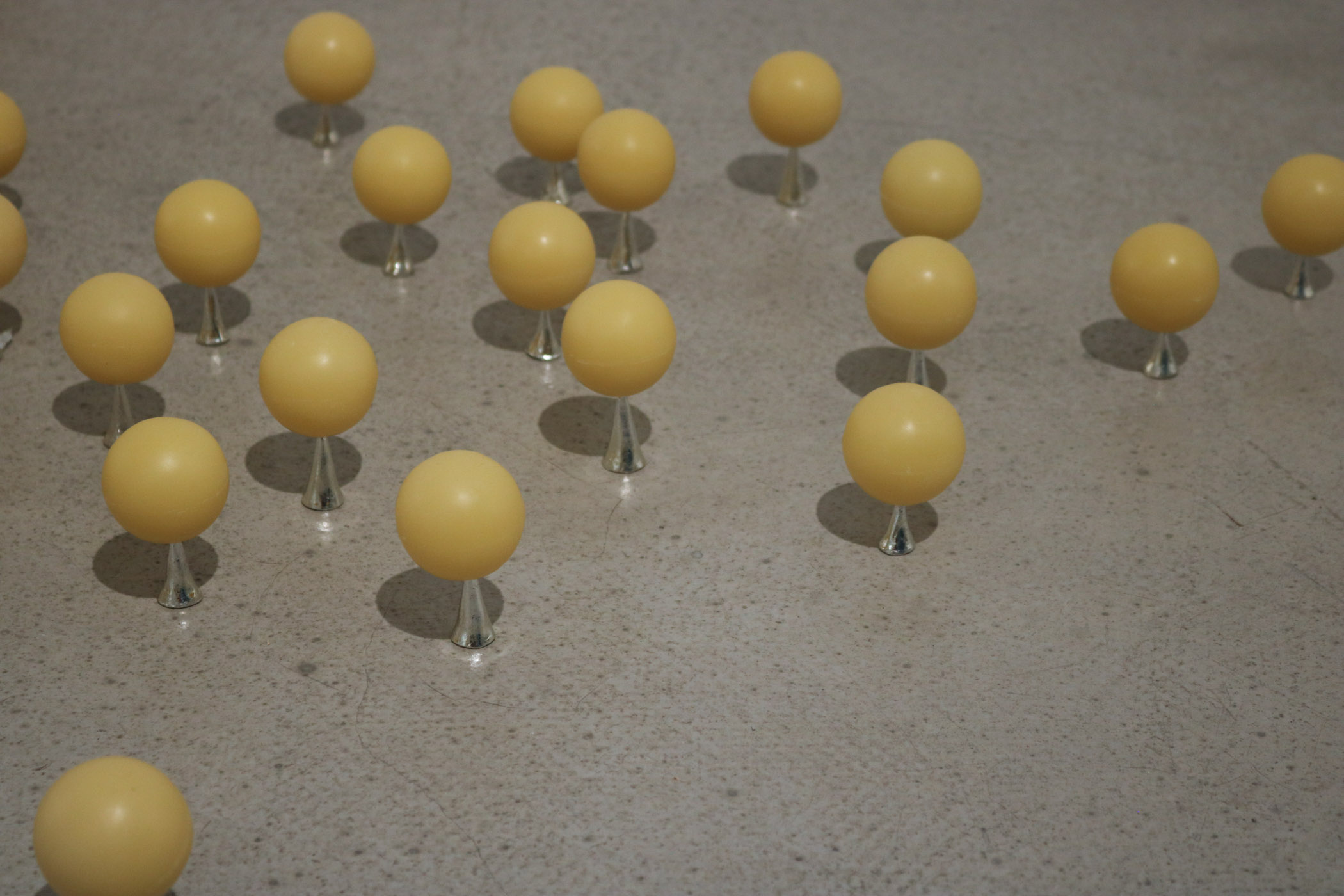
In Residue, Sharon Shao places more than forty small units made of beeswax and pewter across the floor. They retain traces of contact, compression, support, and deformation, making visible the physical changes that occur when one material meets another. Beeswax is soft and responsive to temperature, pressure from the hand, and the weight of metal; pewter is harder and heavier. The wax supports the pewter, while the pewter forces the wax to change shape. Shao repeatedly makes similar units, but no two can be exactly alike. The time spent shaping, joining, cooling, and arranging them remains visible in these small differences.
Xiaohuan Wu continues to paint in the mountains of Huzhou. He may be the artist in this exhibition closest to ‘a certain reality’: he paints the people around him and the everyday life he is living. His works come from real people and specific events, but painting does not reconstruct everything that happened. Figures remain within a single action or state; what came before and after is left out. Some people build houses, plant crops, and work the land. Others try many times without being able to change their circumstances. A relationship of receiving and returning runs through his paintings: the care he once received from family and neighbours is given back to others through painting. The paintings allow these experiences to leave their original time and place and become fragments that viewers can enter.
The semi-fiction in these works is not an escape from reality. It allows a person to rehearse a life that has yet to be realised, lets memory reappear in different versions, and permits objects to leave their original uses for a time. To do this, the artists film, make, record, rehearse, listen, and repeat. None of this labour guarantees that anything will be resolved, or that every story will reach a complete ending. The world is now changing faster than any person or physical space can prepare for. No one can guarantee how long the current ways of viewing and validating these works will remain in place. The exhibition itself may also be something still in progress. Here, love is closer to eros in its older sense: a persistent impulse towards what we do not yet possess or understand. It makes us willing to approach, again and again. Labour is how we move closer, while some failures remain throughout the process.
