
She Remained
There is an allergy with no identifiable source. It festers in the chest, seeps through every pore. Lean Lui has written about this feeling — her body knows when a lie is present, before her mind does. This may be one way into her images.
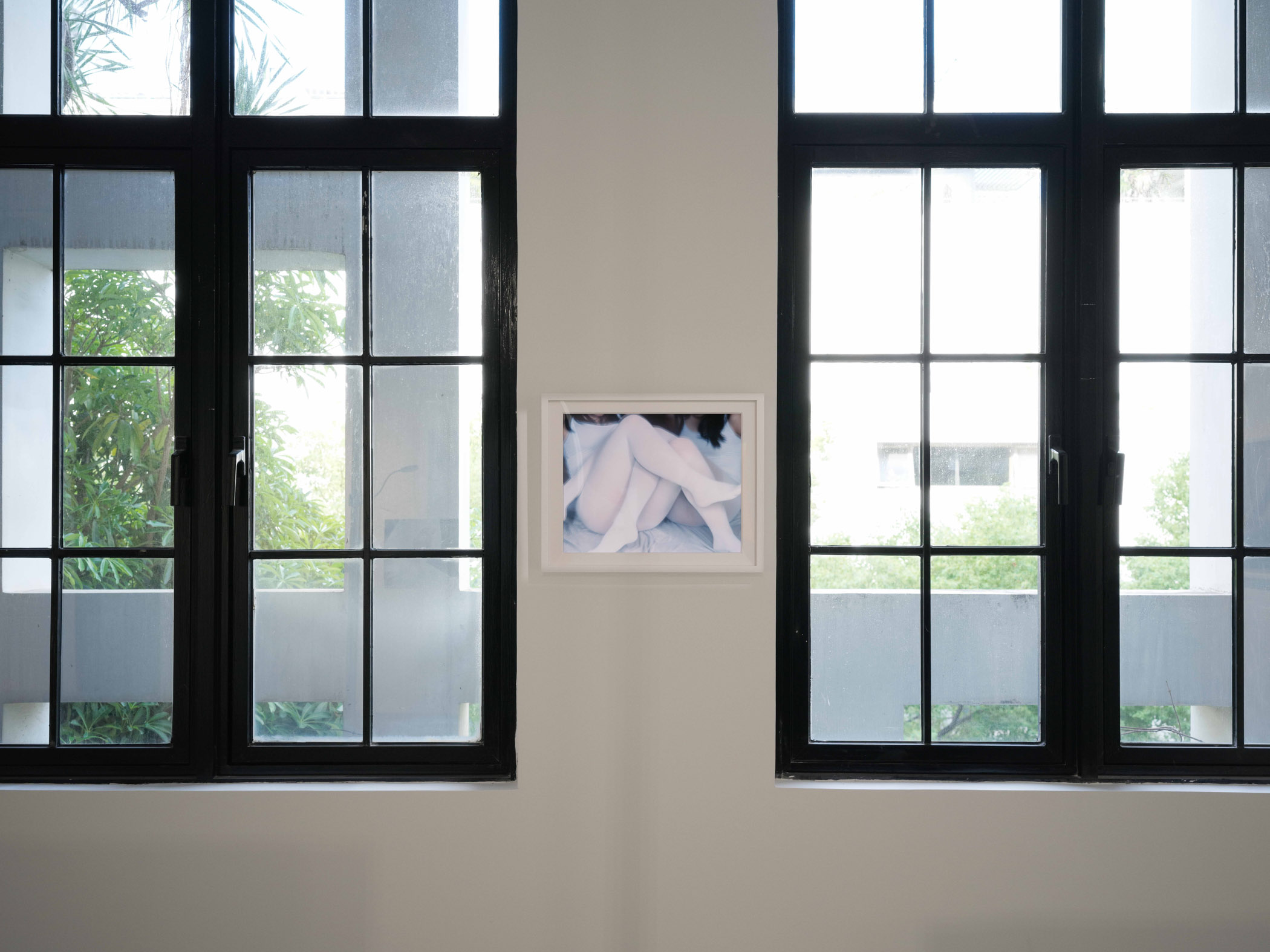
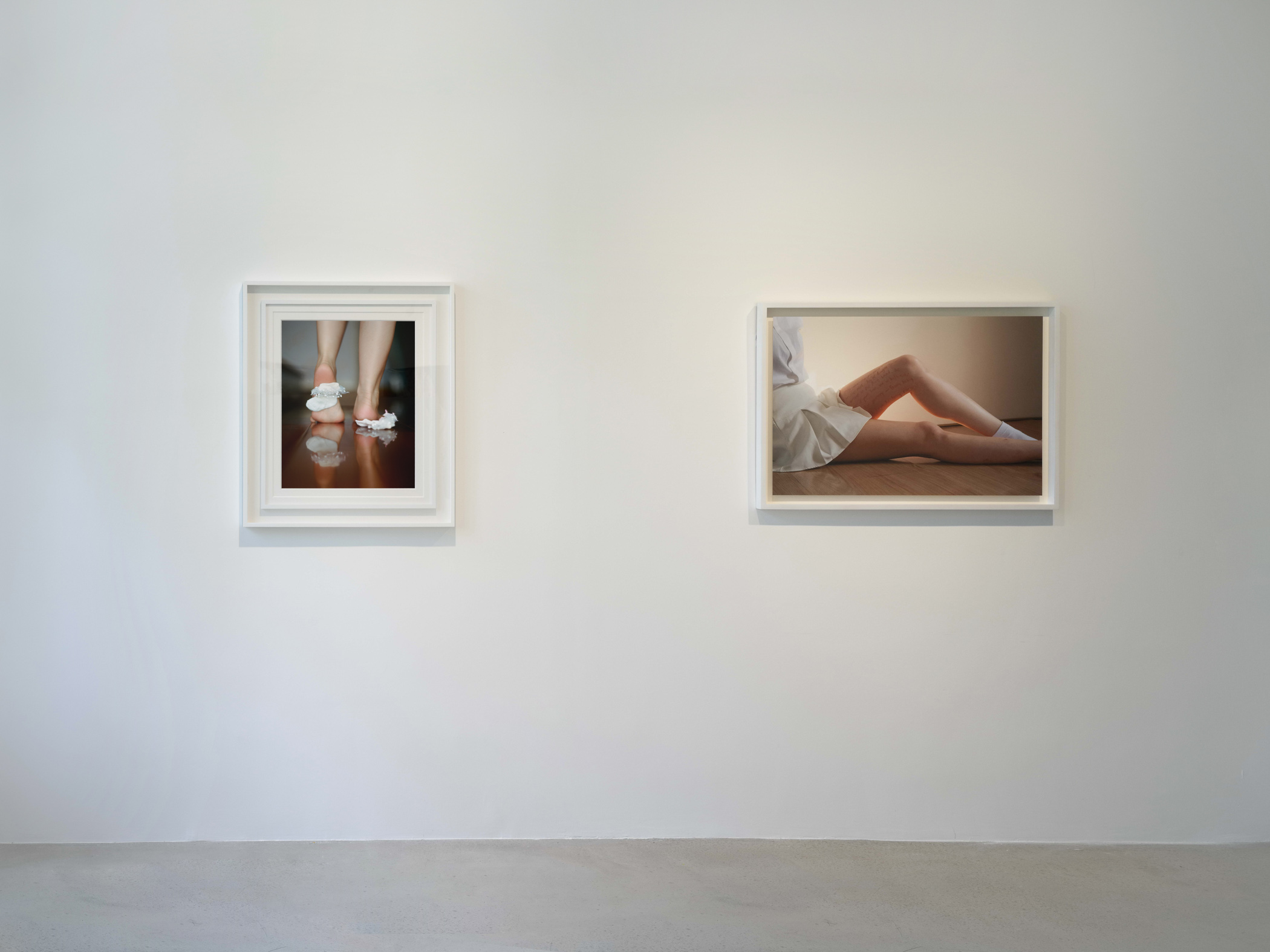
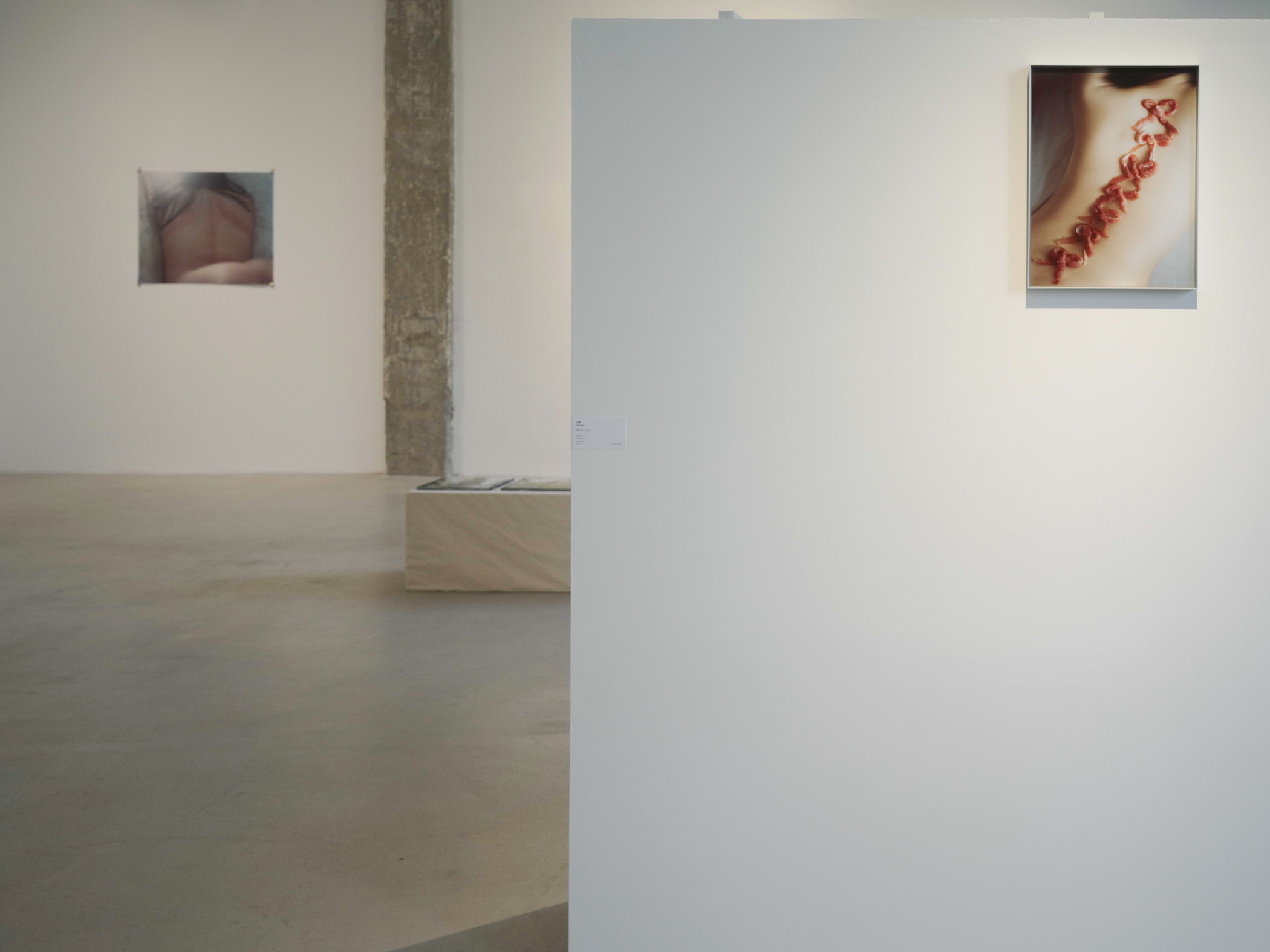
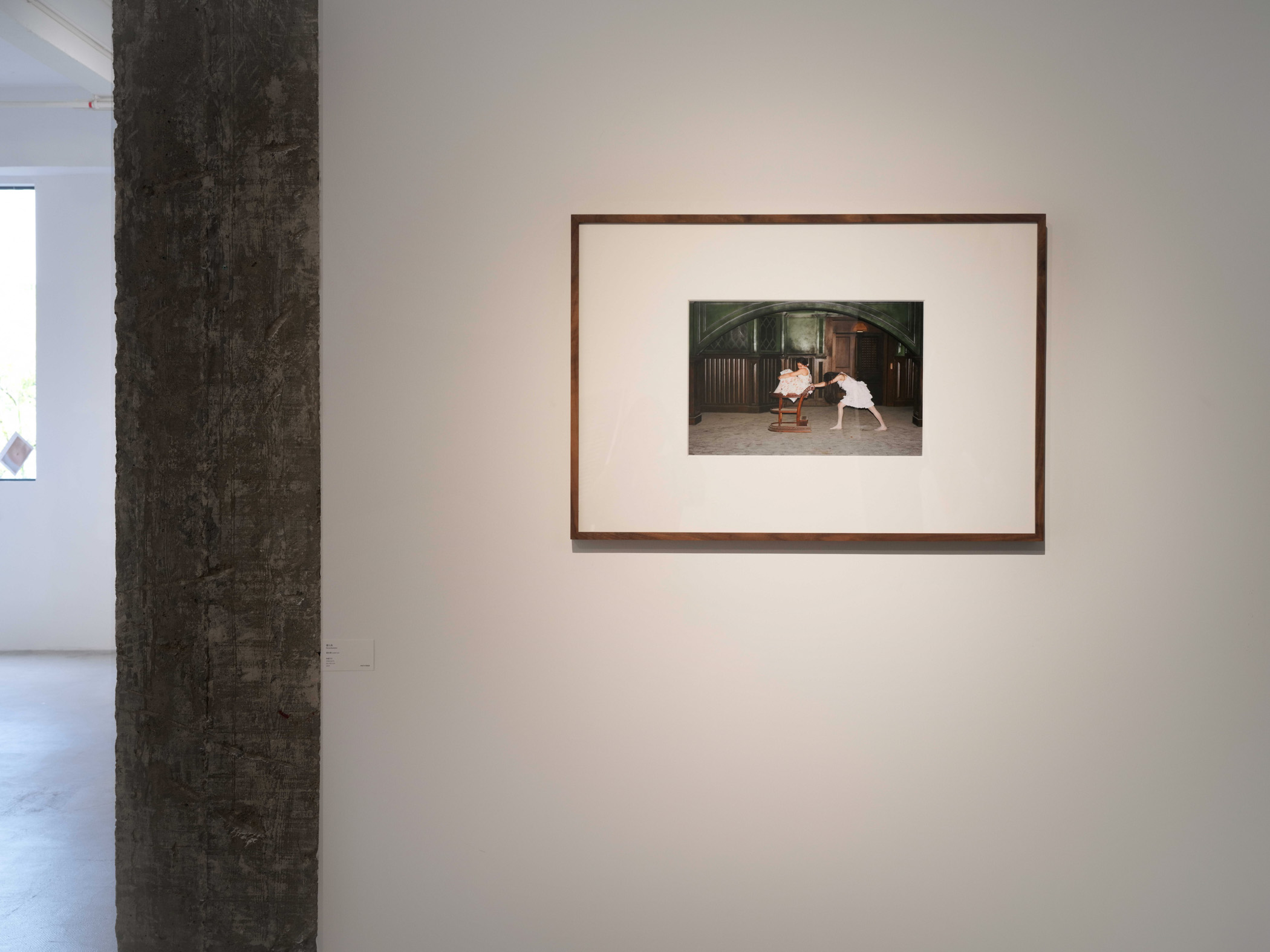
She says she has always possessed youth and the awareness of youth simultaneously. The idea that one cannot hold both at once never applied to her. Childhood is still present; the clothes just no longer fit. This displacement — not nostalgia, but a continuous lucidity — runs underneath all of her work. She photographs girls, but describes it as closer to self-portraiture. The bodies are projections. The situations are ones she recognizes. She asks the girls to dress from their own wardrobes, the way children play house — because clothing in her work is never decoration. It is identity, ideology, the evidence of where a person has chosen to stand.
In The Bow, a girl buries her head in a sewing machine, her face not quite visible, a bow sewn into her hair. The bow, in Lean Lui’s work, stands for emotional knots — the kind that accumulate in growing up and cannot be untied. Once transformed into a bow, the bind remains, but its beauty cannot be denied. Sewing the bow into her own head looks like pain. It is also an act of knowing impossibility and proceeding anyway — a response that becomes more resolute the more the outside world tries to contaminate it.
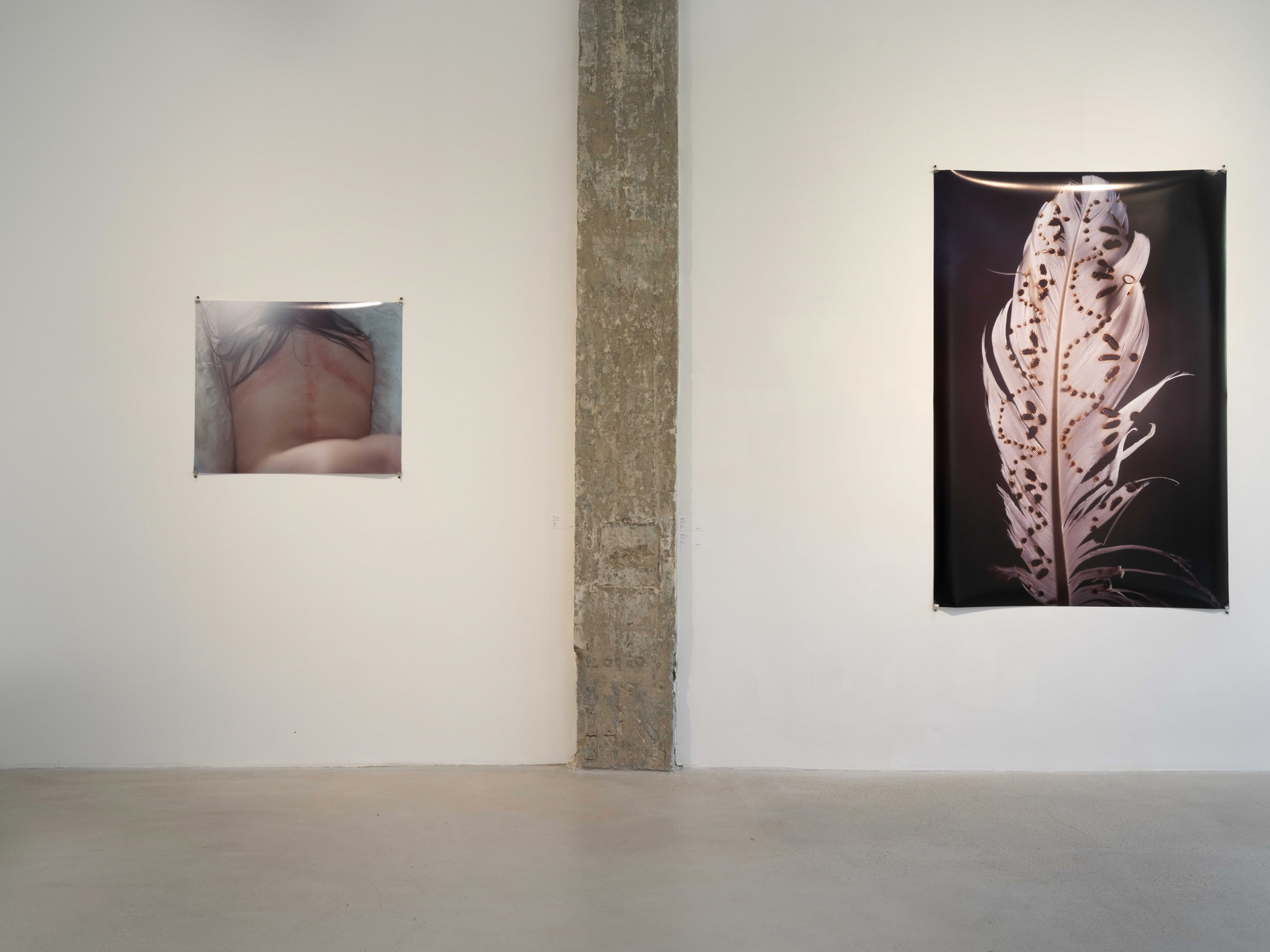
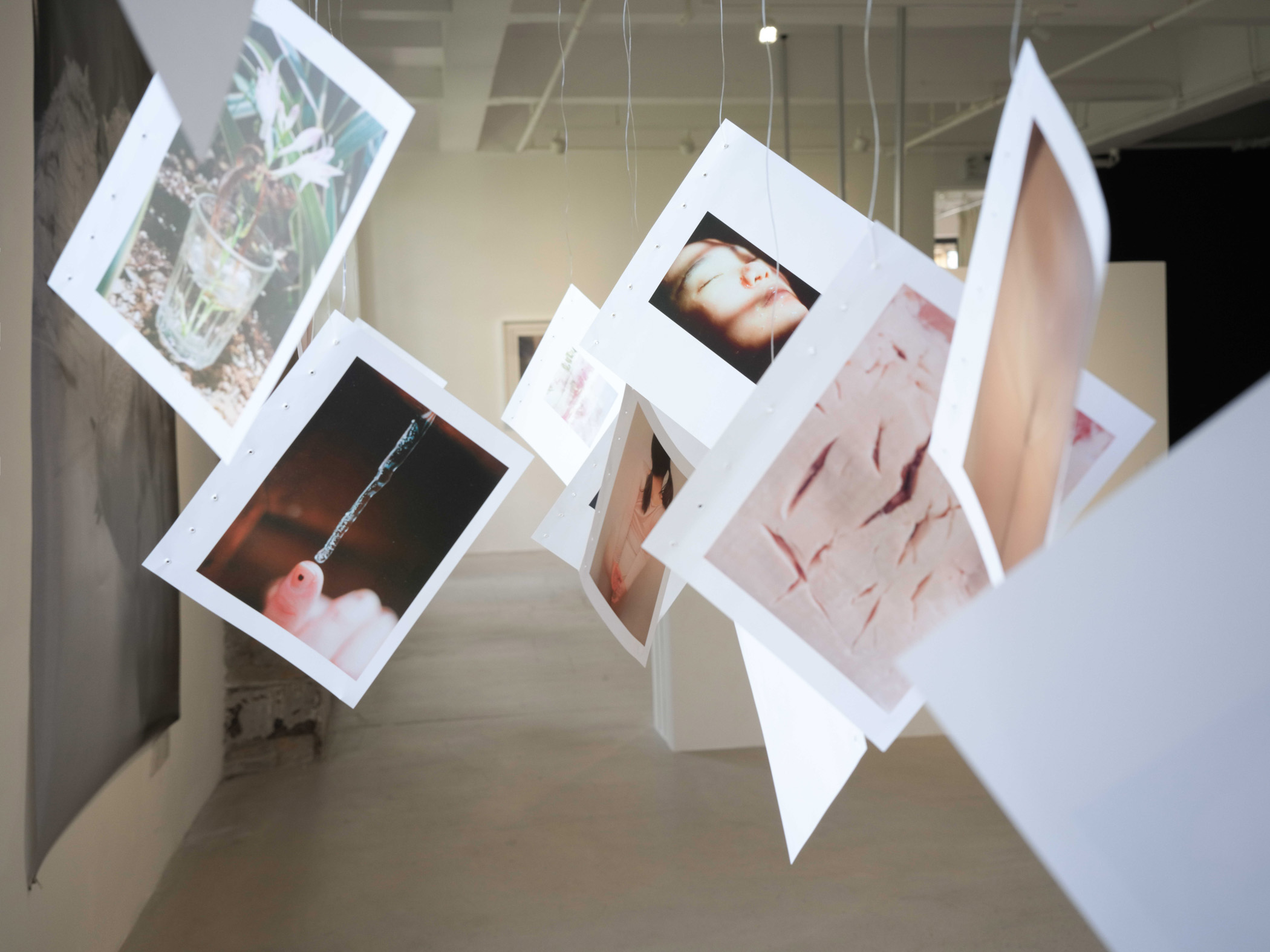
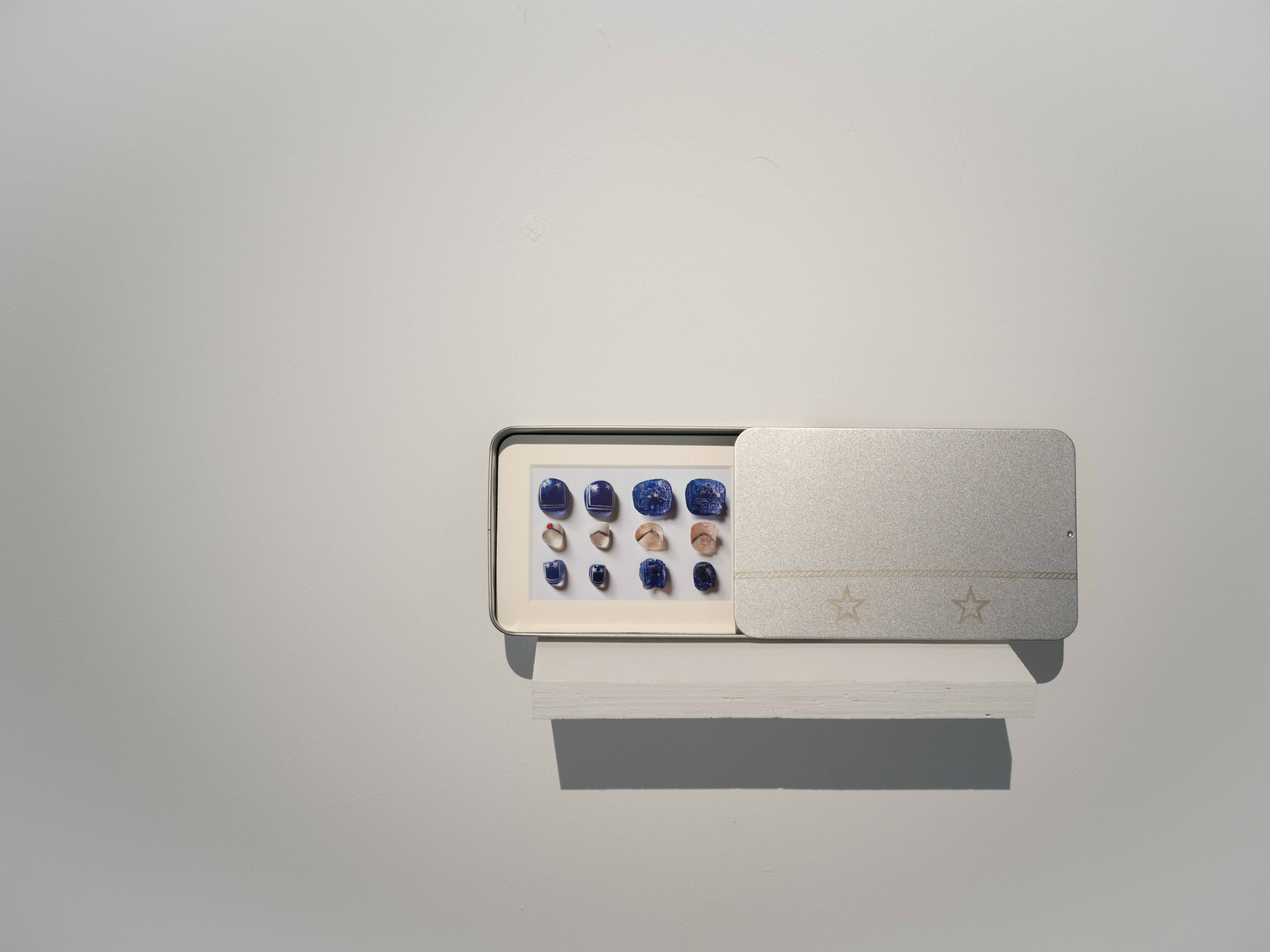
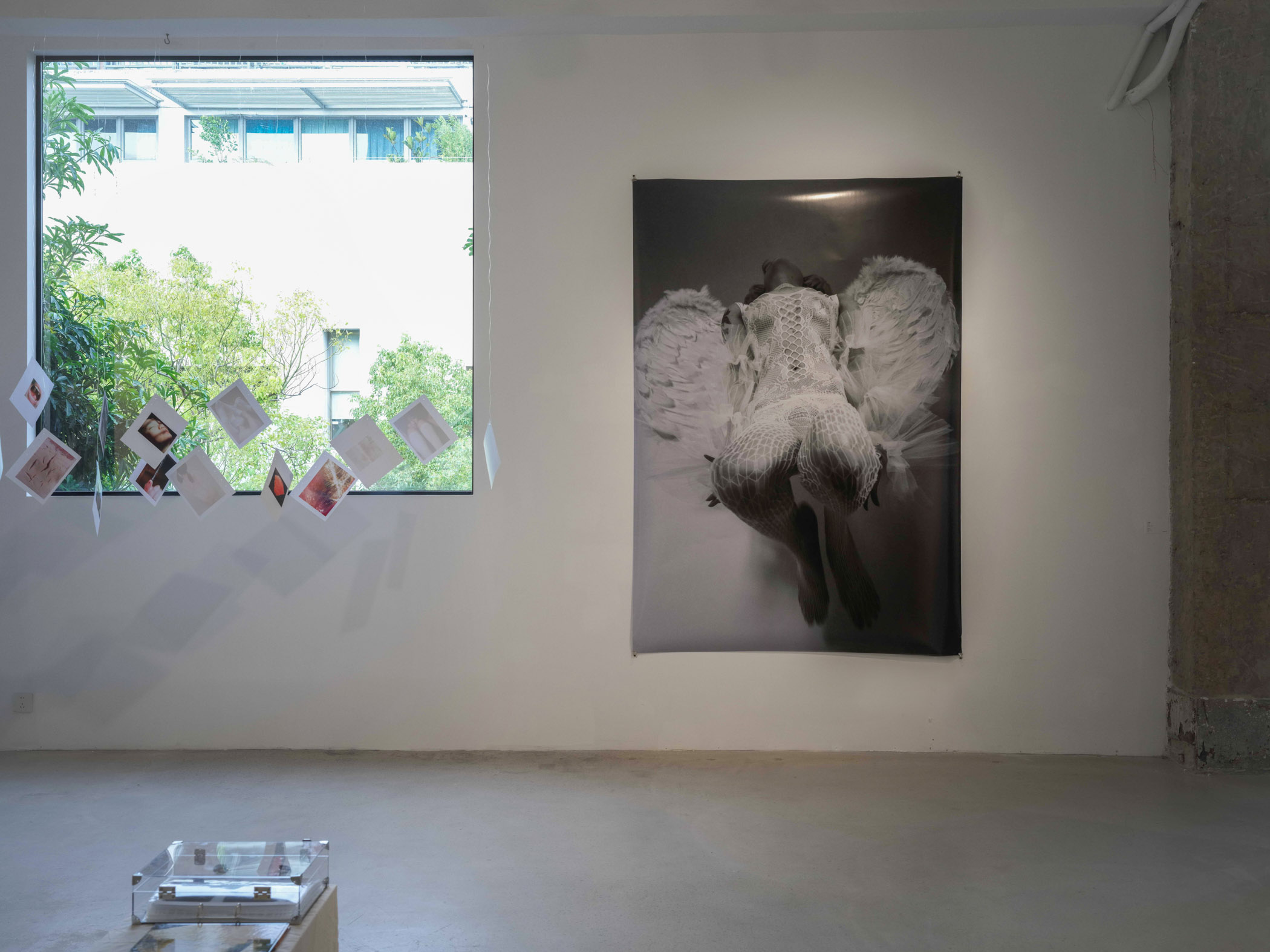
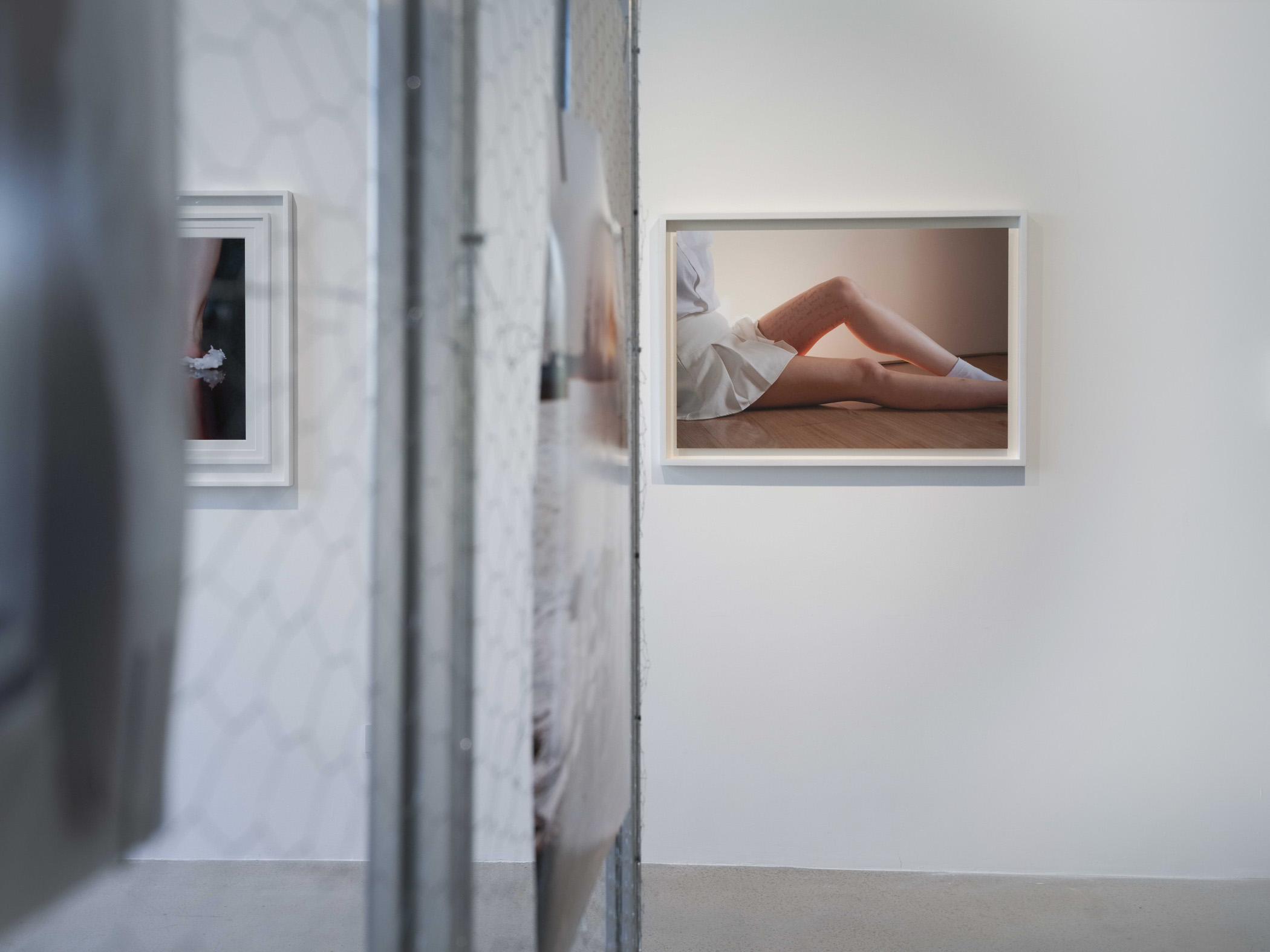
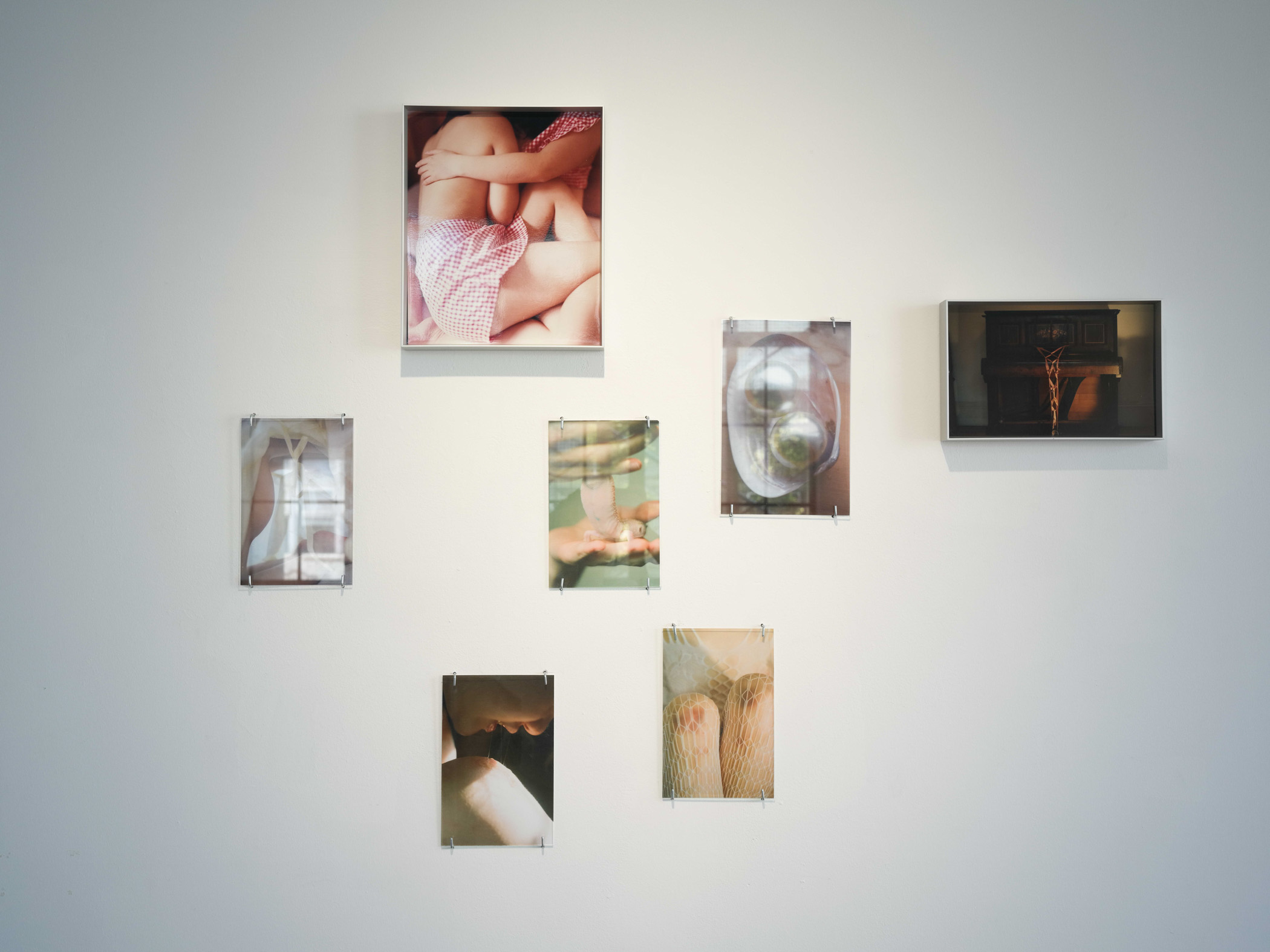
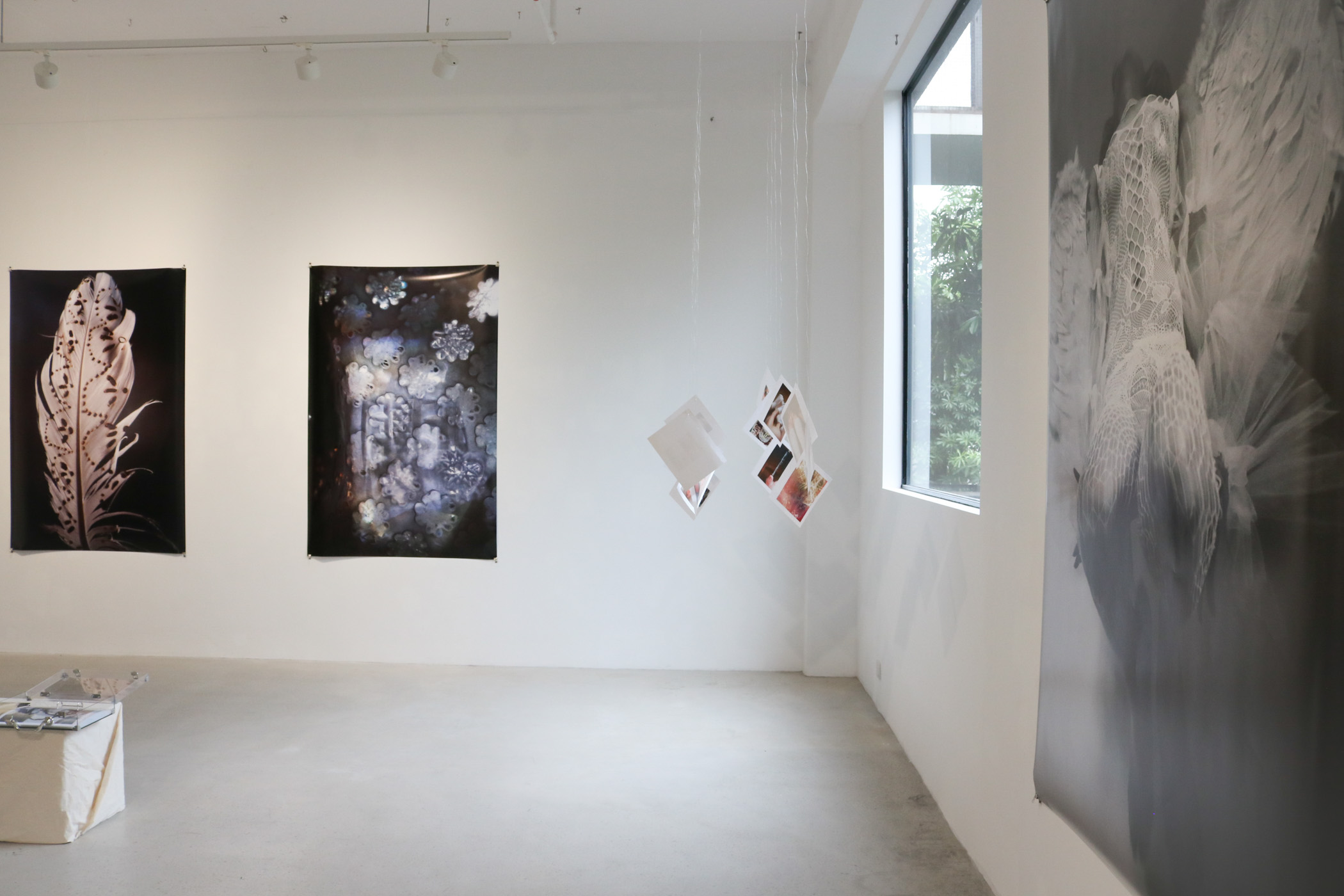
Recurring generation, accumulation, and layering are the language of her images. The shadow of lace falls across a hand like a net — its pattern pressed into skin. White socks, pearls, a girl’s bare back, an angel collapsed face-down on the floor. Bows layered over fishnets. Rosebuds packed into dried lotus pods. A pearl resting in its shell. Lean Lui’s images never subtract. Nacre — the substance that makes a pearl luminous — is also Lean Lui’s recurring motif.
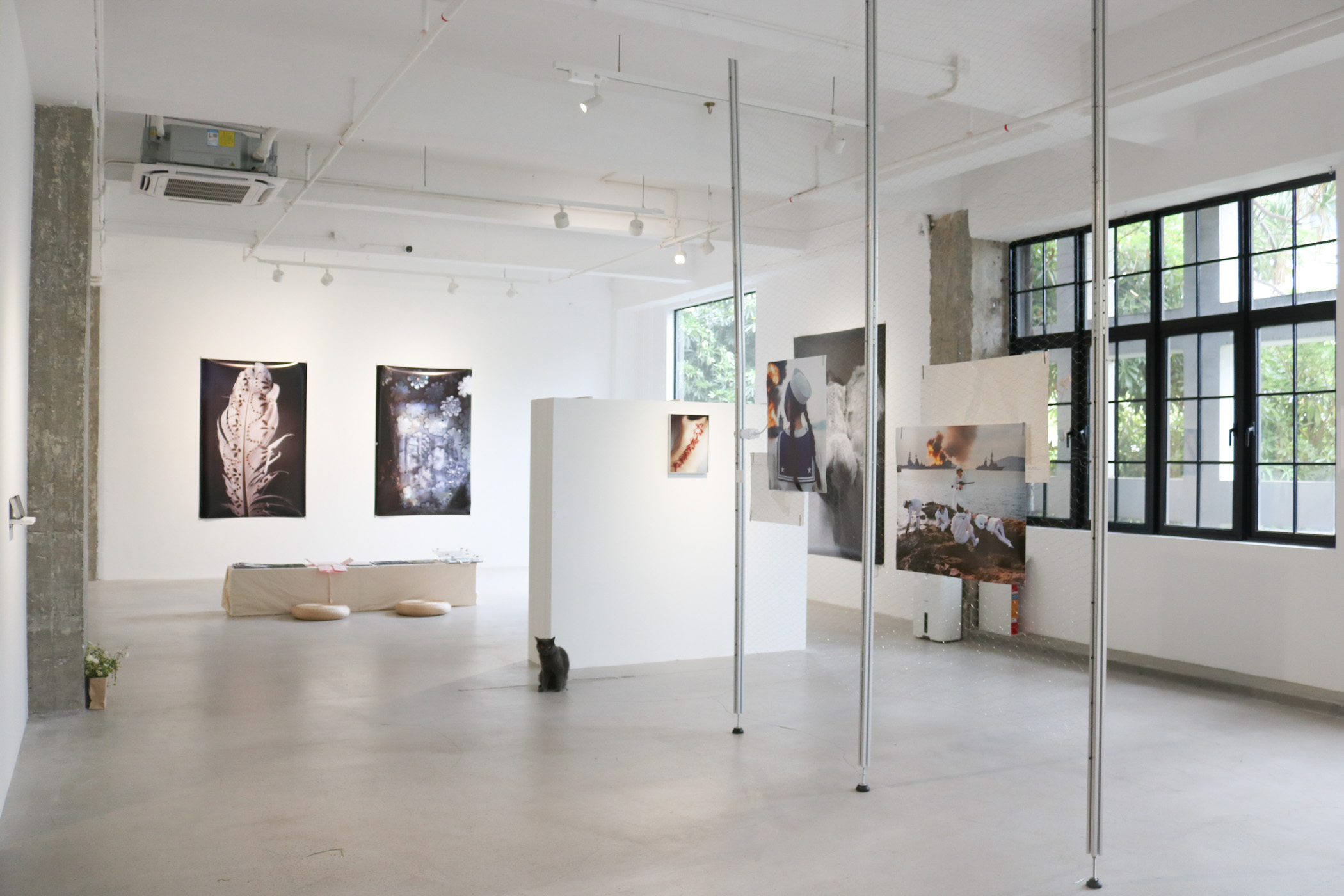
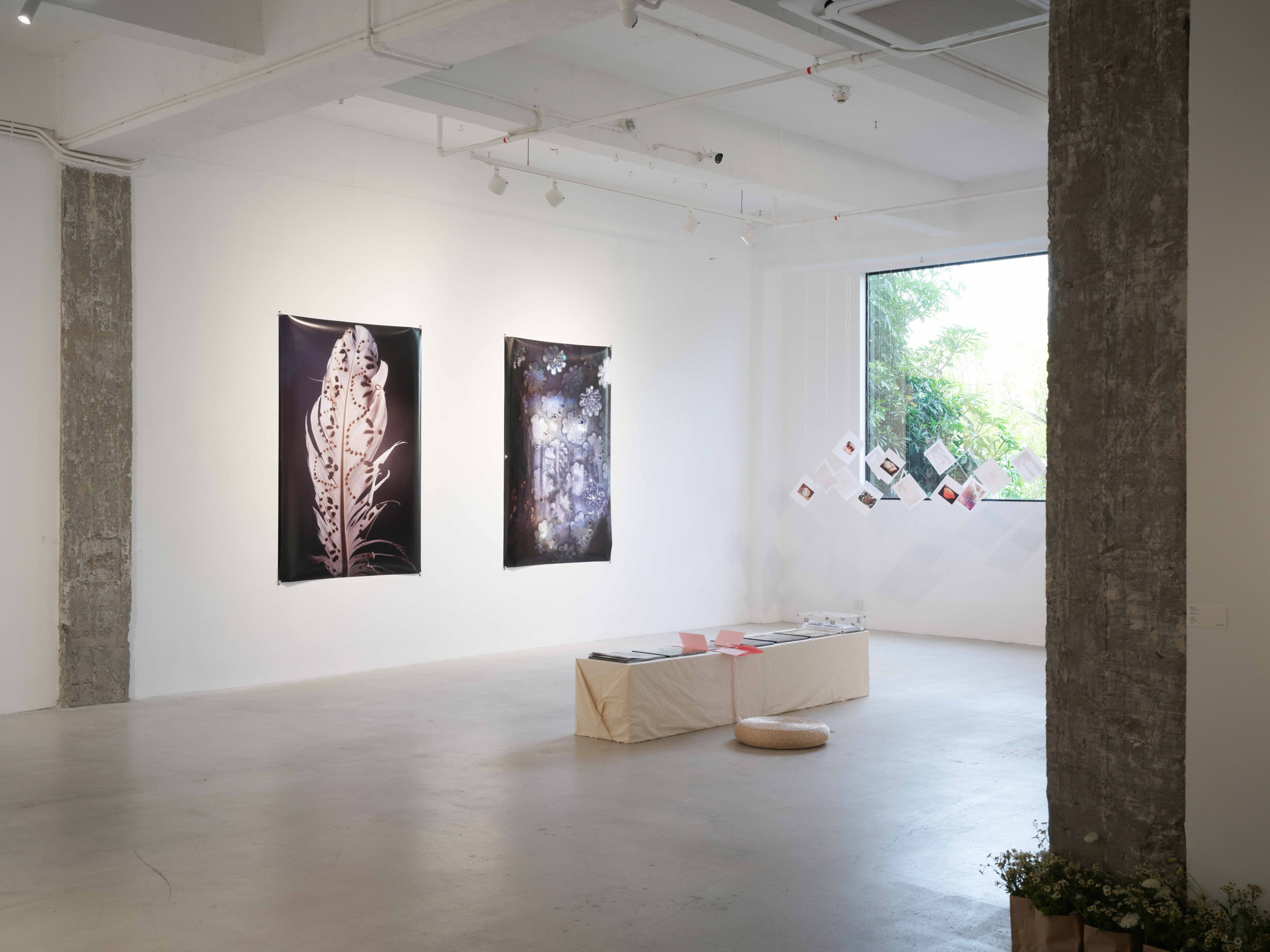
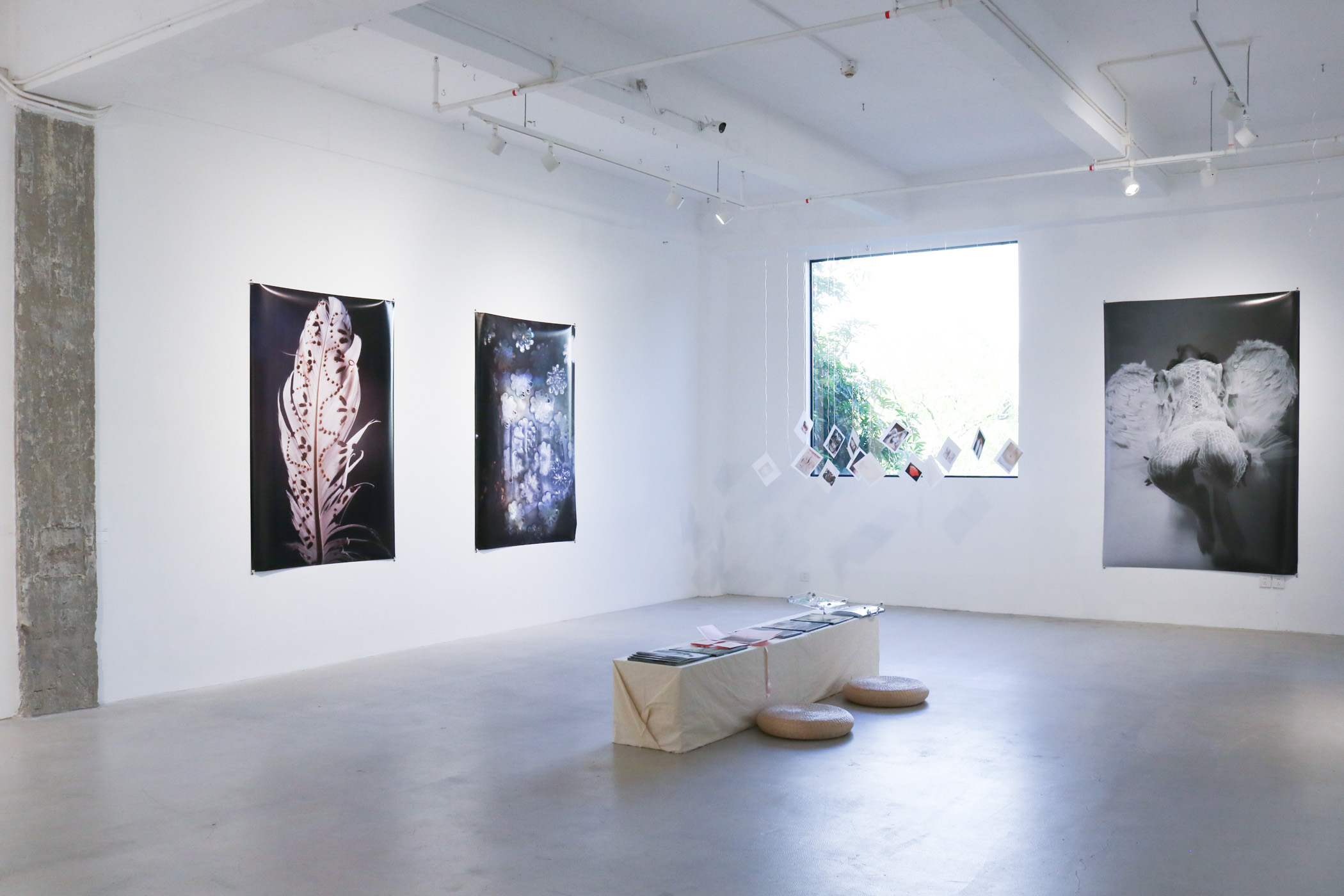
The exhibition includes two works shown in proximity: a feather, and a layered, ethereal iridescent image. The holes in the feather were burned by Tibetan incense. Lean Lui burns incense at home almost every day — her incense holder is a large shell, layered over time with ash and melted wax: the residue of every wish made, the traces of belief. She believes faith can hold a person together, or collapse them in a single second. Each hole in this feather is the cost of a prayer.
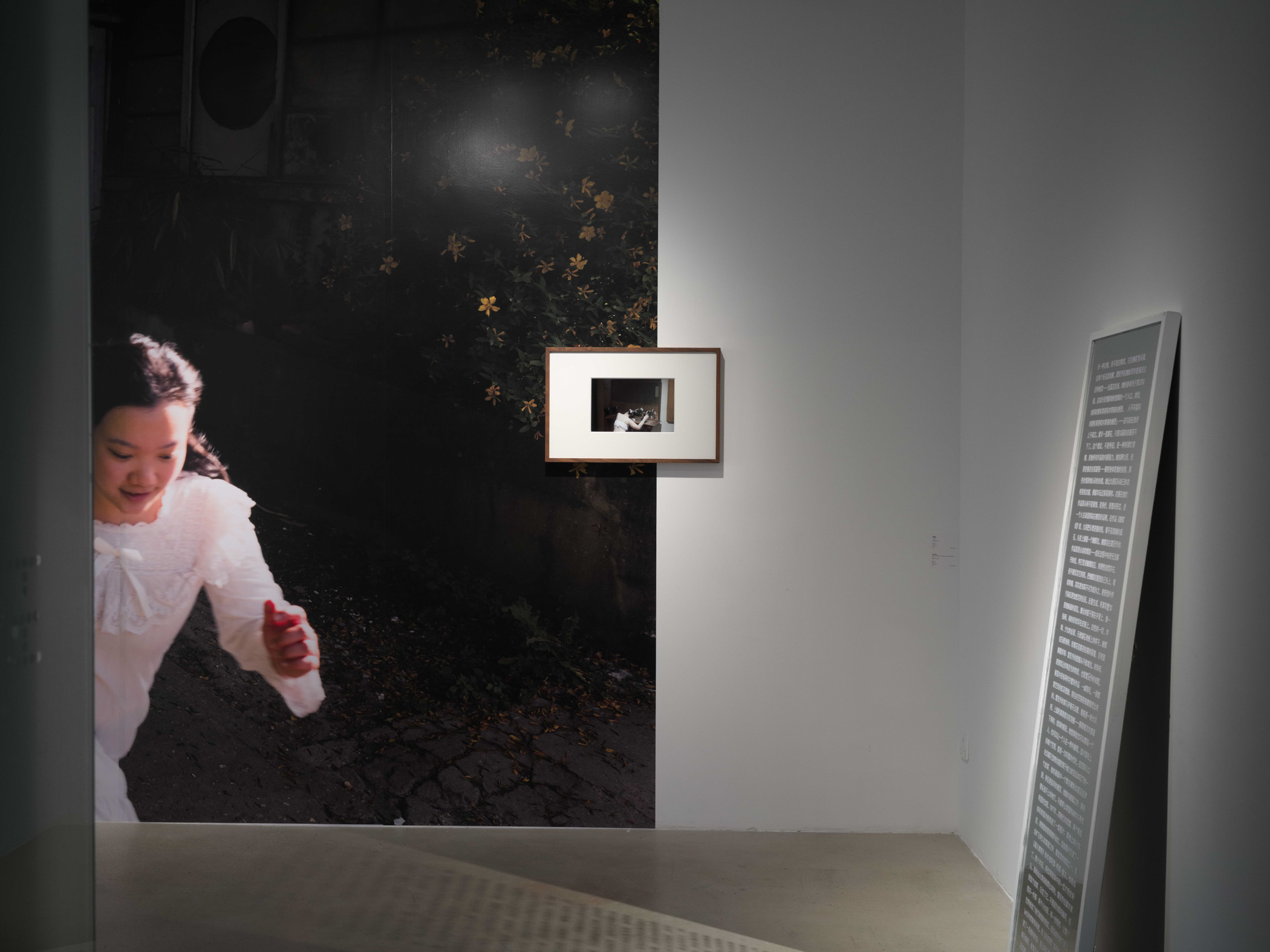
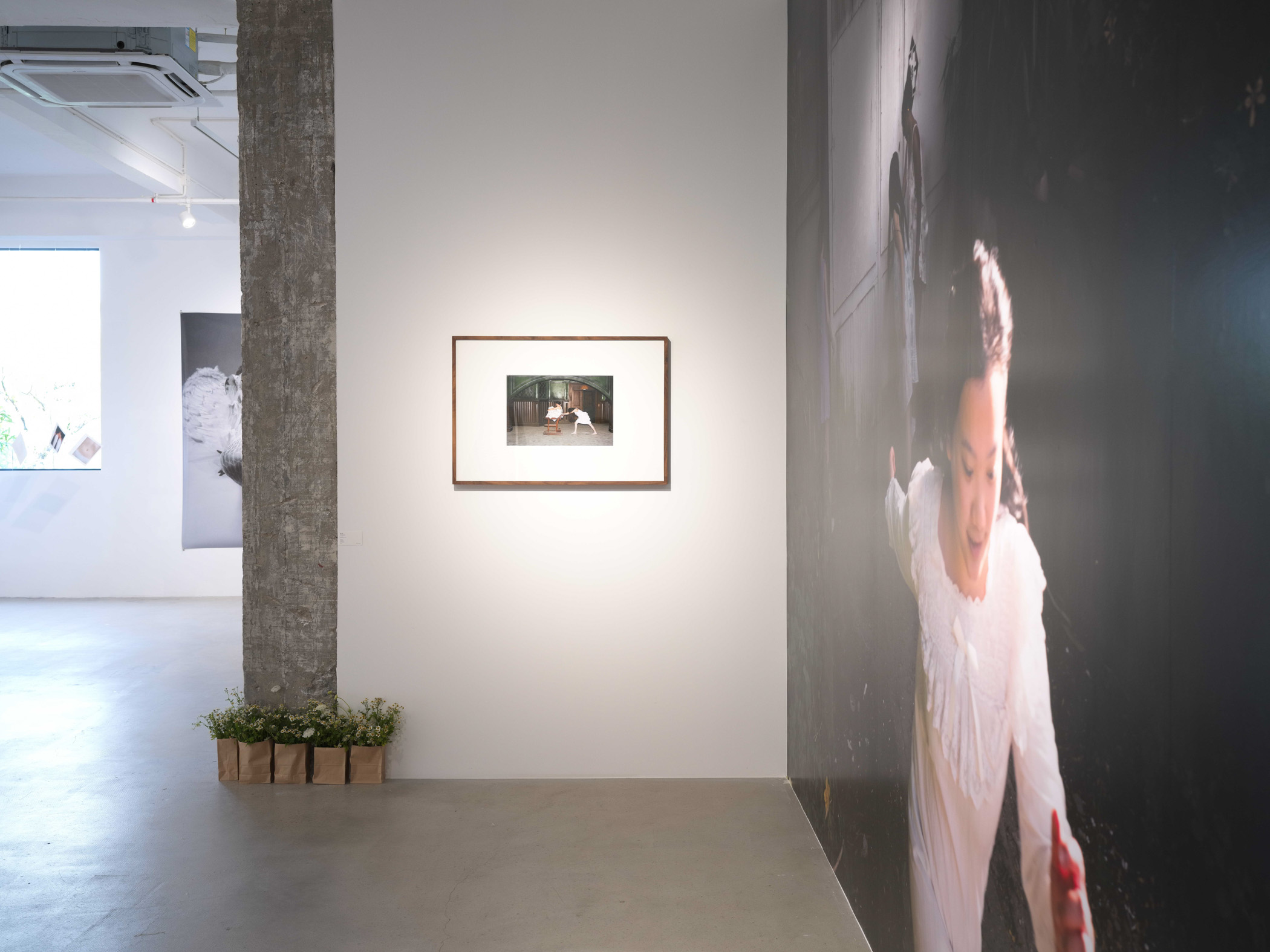
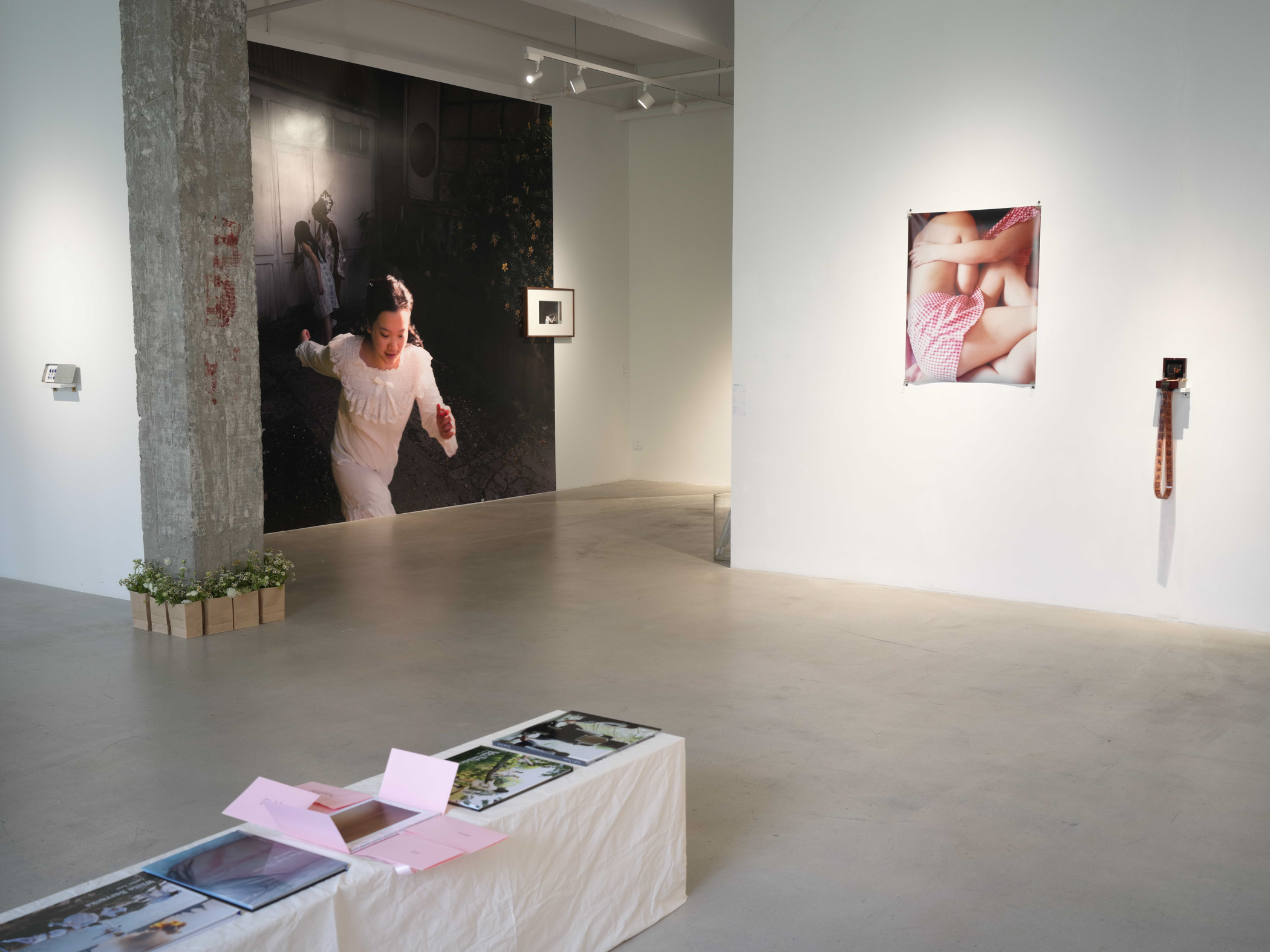
The large-scale photograph at the entrance of the space originates from a story she recorded in her childhood diary. In the image, a girl in a white dress is running — past an abandoned building, toward somewhere the camera cannot follow. The act of hoping, and the process of searching for hope, cannot be stopped. In 1917, two cousins from Yorkshire took a series of photographs with a family camera: a girl sitting in the grass, surrounded by tiny fluttering fairies. The images ignited a prolonged debate about their authenticity. Among their most devoted believers was Arthur Conan Doyle, the creator of Sherlock Holmes. He believed. Decades later, one of the two cousins finally admitted the fairies had been cut from cardboard. Lean Lui encountered this story as a child and held onto it — not because of the hoax, but because of something else: two young girls, with a single camera, made the world believe in a reality they had constructed.
From there, she began her own long process of imagining and building. In White Barracks series, she constructs a fictional island: a battalion of girl soldiers stationed there, drilling daily, watching distant artillery fire. At the island’s center stands a crystal monument, inscribed with a single line — With the most ruthless weapons, we guarded the purest hearts. None of this exists. But what it describes, Lean Lui says, she is certain has existed or will exist somewhere in the world.
Lean Lui was born in Hong Kong and came of age inside a visual language forged by consumer culture, the gendered gaze, and imperial aesthetics. This language has a long manufacturing history. As an East Asian girl, she grew up surrounded by its pressures; and yet the ambiguity and flux of East Asian culture have shaped her just as deeply. She did not leave this language — she loosened it. Her self-identification is as a contemporary girl — though clearly not the kind she grew up watching in the idol dramas of her childhood.This definition is visible in her work. The girls in her images are not objects of the gaze. They are people who chose to stand where they are standing.
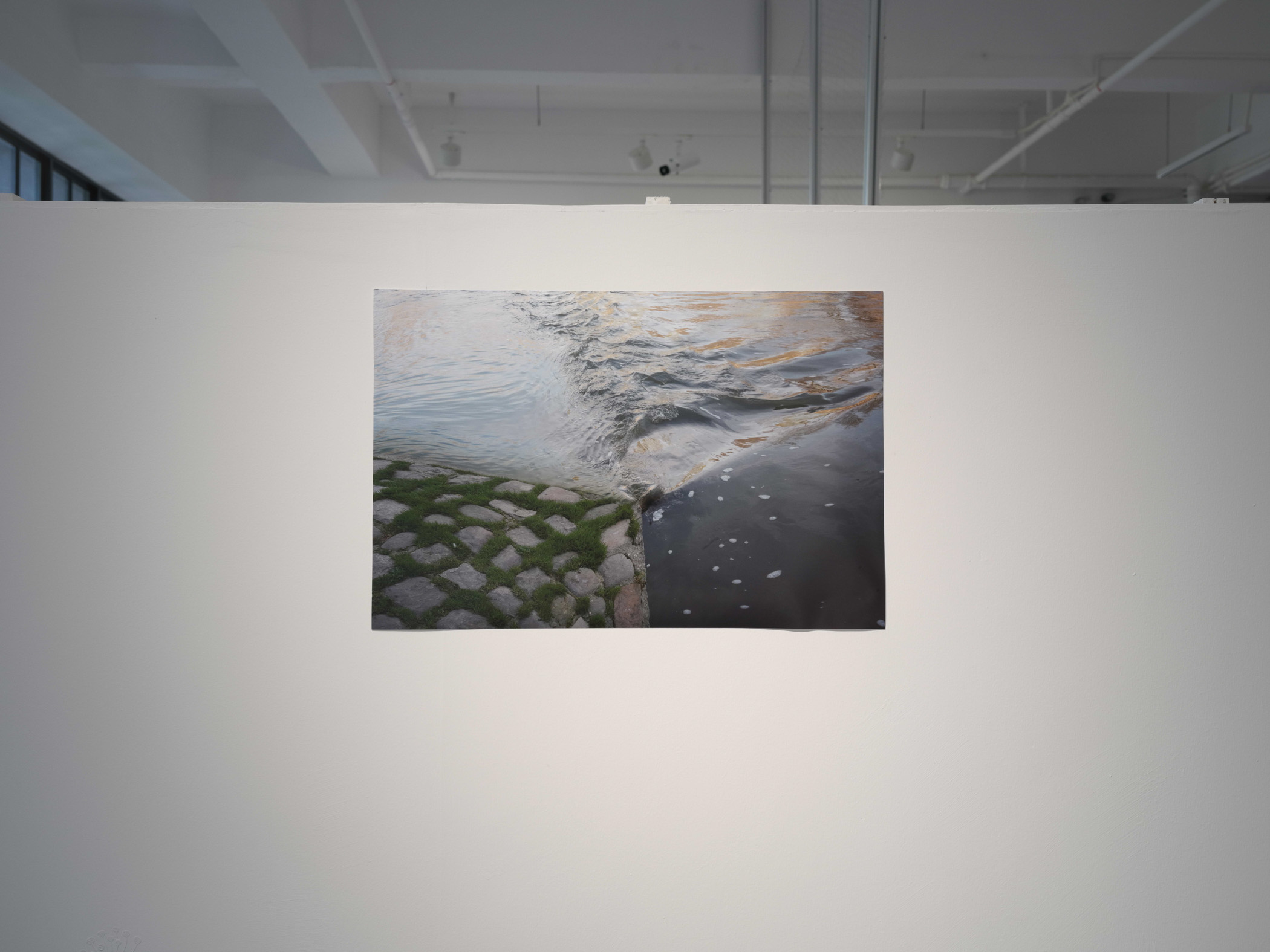
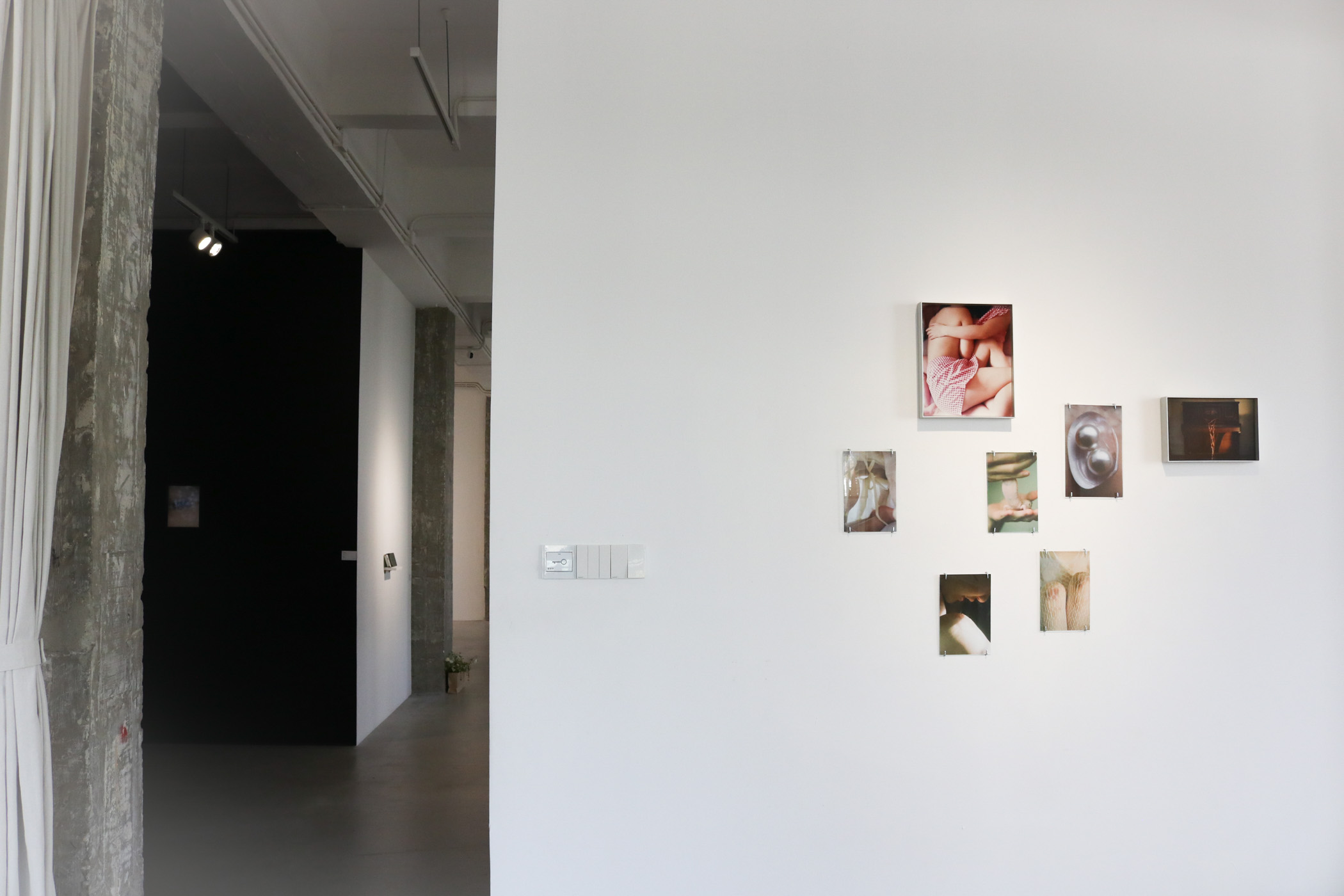
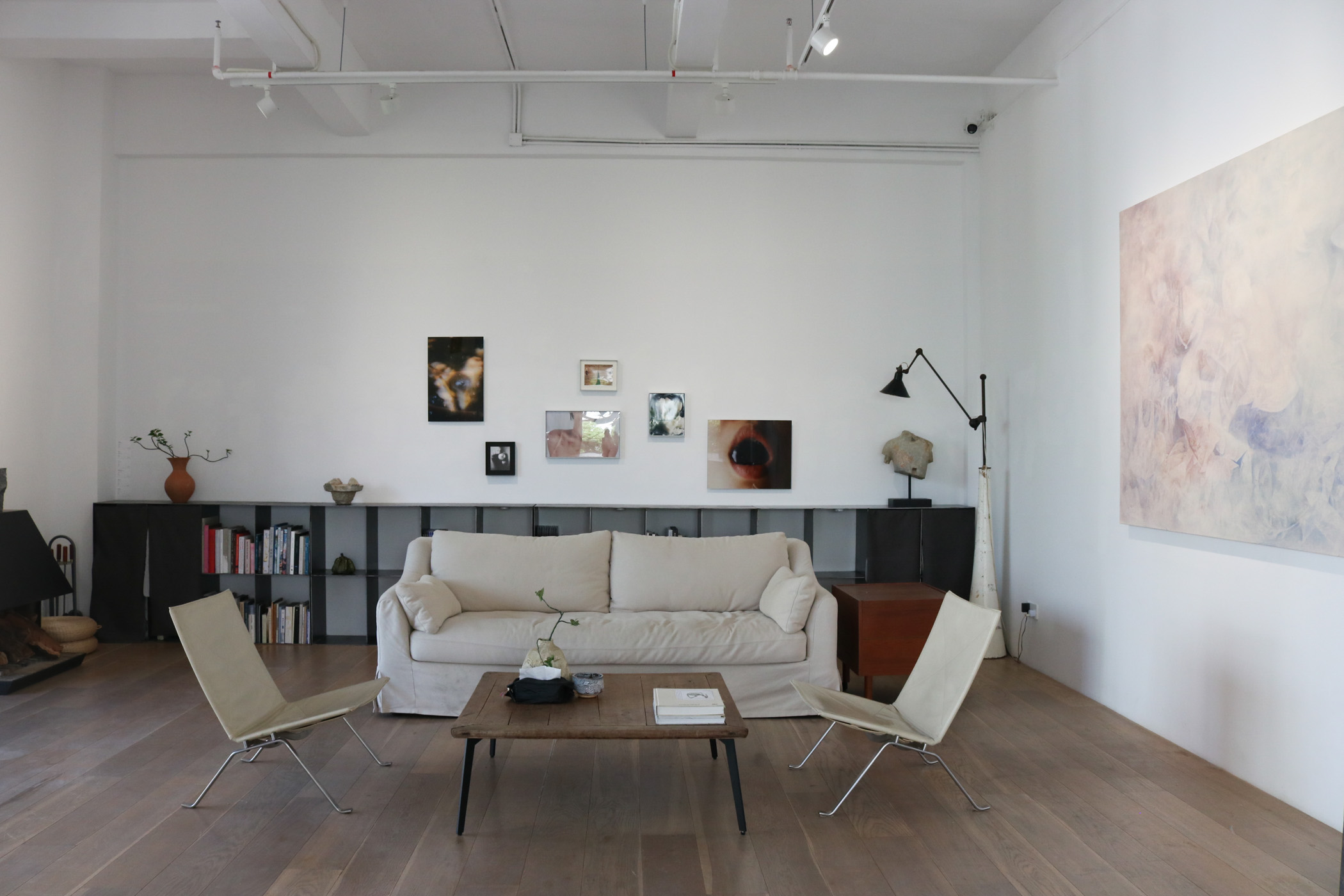
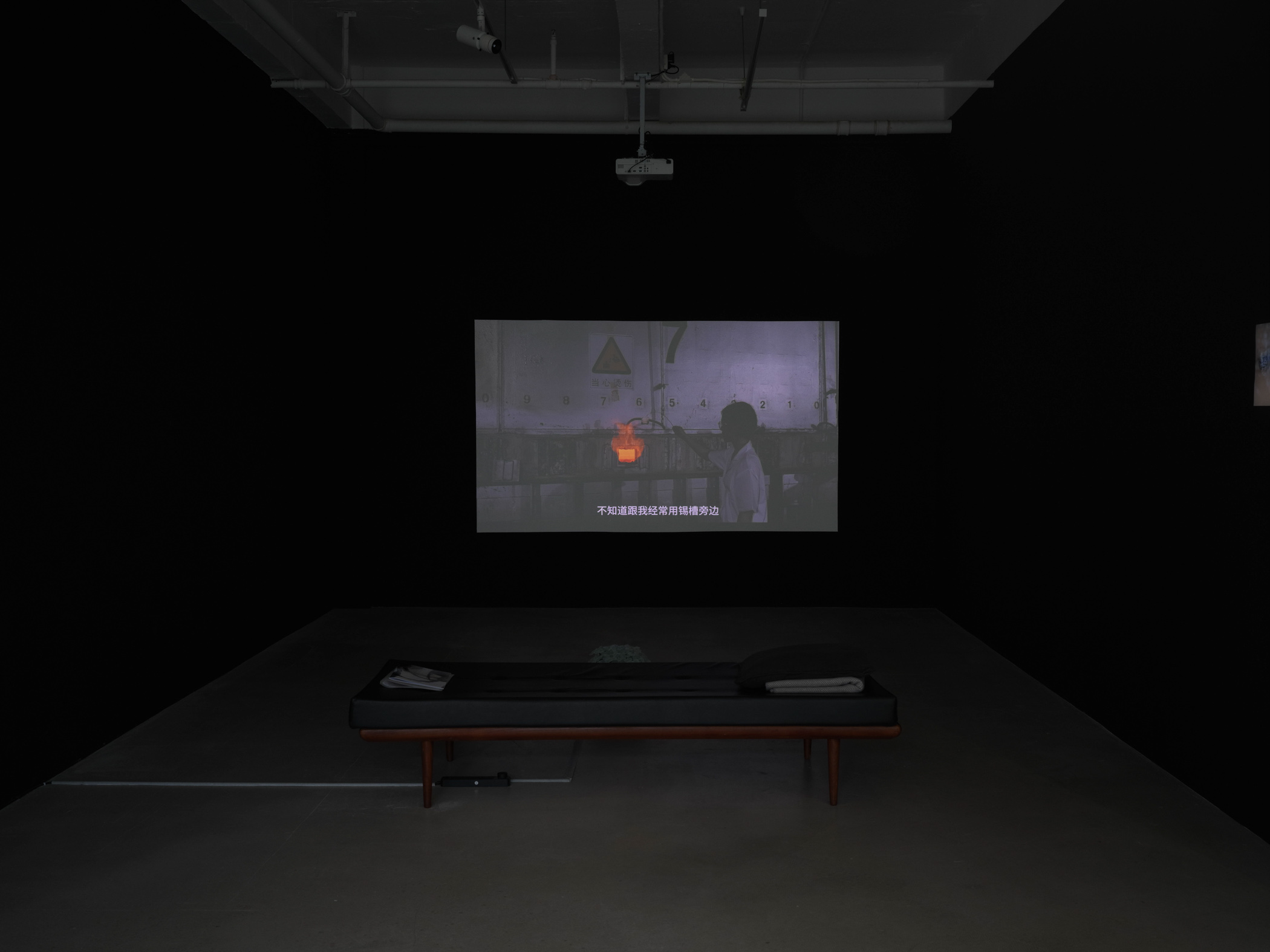
This exhibition gathers work from across several of Lean Lui’s series — a summoning of the Girl’s Universe she has been building over the years. She says the Girl’s Universe has no heroes, no victories — only people who remain present inside the debris of history and its broken symbols. The universe itself may have no endpoint, like the Tao — only a state of continuous motion. They remained. And that, in itself, is already an answer.
And she remained.
